For years, Indian squash players have criss-crossed continents to participate in crucial elite-level tournaments. Last year, that changed as the country hosted its first major international squash tournament in nearly seven years with JSW Indian Open taking place in Mumbai. It was India's first-ever PSA Squash Copper event.
In squash, the PSA (Professional Squash Association) World Events are divided into six tiers based on prize money and ranking points: Copper, Bronze, Silver, Gold, Platinum and Diamond. Copper to Gold events feature 24-player draws, while Platinum and Diamond host 32 and 48 players respectively, with ranking points ranging from 500 for Copper titles to 3100 for Diamond.
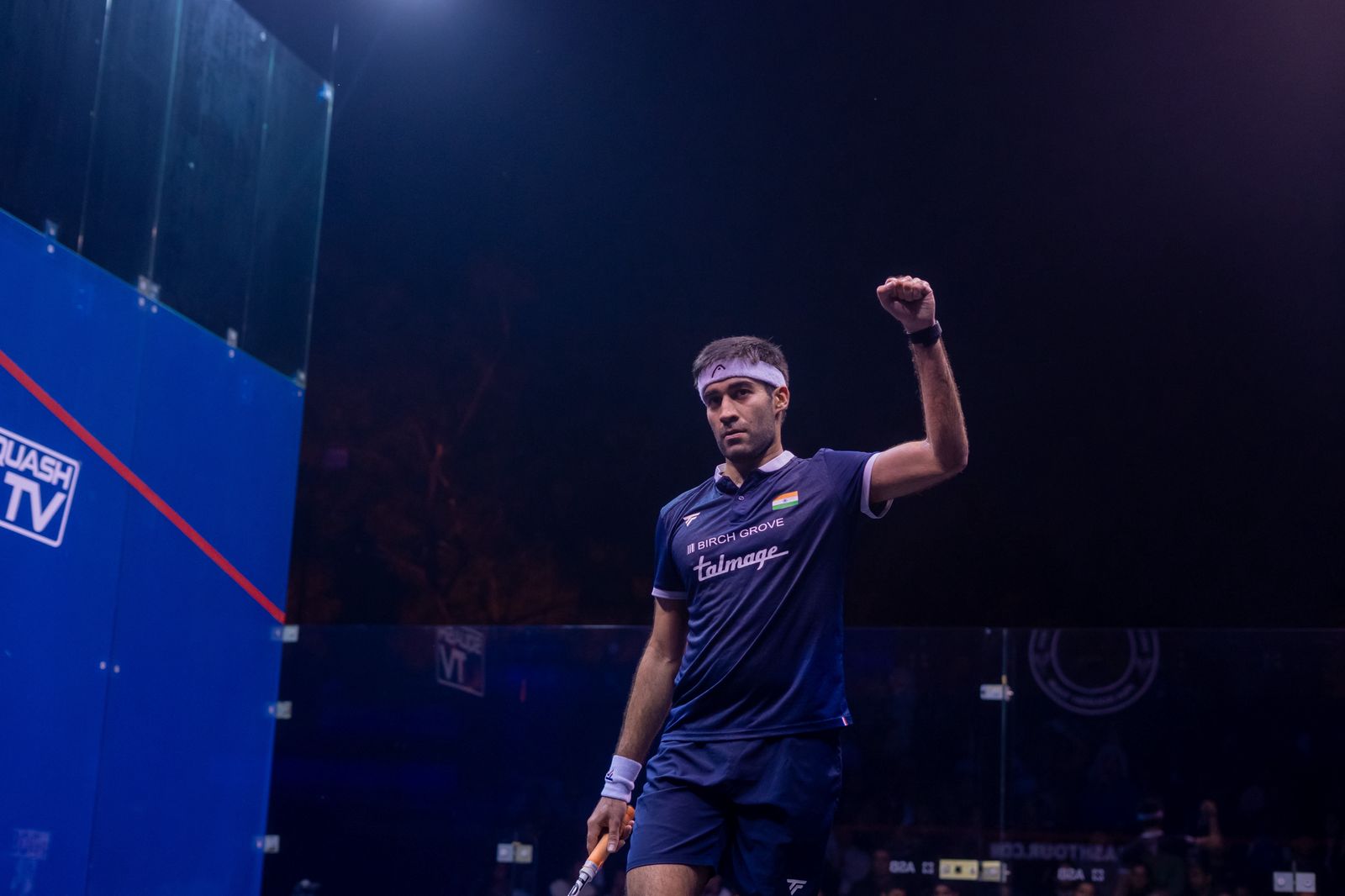
The tournament is returning to the coastal city and will be played from March 18 to March 22 at Mumbai's CCI-Brabourne Stadium. Among the many players who are gearing up to wield their racquet at the iconic stadium is India's no. 2 and world no. 39 Ramit Tandon.
Also Read | Layoffs Are Rising In Tech, But These Skills Are Helping People Unlock Better Pay
The 33-year-old is determined to complete his redemption arc in the city. Last year he entered the competition as the top seed but exited the tournament following a defeat to unseeded Malaysian Ameeshenraj Chandran. Despite the loss, the experience of playing on home soil in front of a home crowd amazed him.
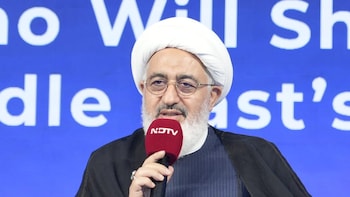
“It was a massive boost for Indian squash,” Tondon said in an interview to NDTV Profit. “I would go to the US and see American players playing at home. I would go to Egypt and see Egyptians playing at home. But I never had that opportunity.” Tondon added.
More importantly, he believes these tournaments inspire the next generation. “Kids aged 8, 9 or 10 can now watch world-class squash in India. I never had that exposure when I was young.” Tandon recalled.
So how did he get exposed to squash at the first place? Tandon journey into squash started in the club culture of Kolkata, where his father used to play the sport casually.
“As a kid, I would just follow him around the clubs, one day I picked up a racket and started hitting the ball. At that time, it was just a fun hobby.” Tandon remembered.
Soon enough the boy got so consumed with the sport that he had to shift base from Kolkata to Chennai as he wanted to train at the Indian Squash Academy, widely regarded as the hub of squash in India.
Frequent selection trials, training camps and international tournaments meant he often had to miss school for weeks at a time. At a time when academic priorities dominated the Indian education system, schools were far less flexible about athletes taking time off.
“Back then we didn't see the support kids receive today,” Tandon said. “India was very academically driven. My school in Kolkata found it difficult to accommodate the time I needed for camps and tournaments.”
His parents eventually decided the best solution was to move him to Chennai so he could train at the national centre while still being in a school.
“That way I would only miss a week of school for tournaments, while attending training camps regularly,” he explained.
A career in sports never meant that education took a backseat. After schooling, Tandon shifted to America where he pursued BA in Statistics from Columbia University in New York. While he was at the Columbia University he was exposed to America's famous college sports structure. It built him into the athlete that he is today.
"You have student-athletes at universities like Harvard or Columbia who are Olympic medalists,” Tandon explained. “That culture of combining academics and elite sport is something India doesn't yet have.”
After graduating, he worked in the lucrative world of finance for a few years before becoming a full-time squash player. The transition from a cubicle to court wasn't smooth but it has been worth it.
"Having a secure paycheck at one of the finest hedge funds in the world and leaving that for professional sport is obviously risky,” he said.
The risk was even greater because squash, unlike cricket in India, offers far fewer financial guarantees. “Squash probably isn't even one percent of what cricket is in terms of financial value,” he added
But the thought of regret ultimately pushed him to make the leap. “I didn't want to live my life wondering what would have happened if I had given my best to the sport.” he explained.
The gamble eventually paid off. Since turning professional, Tandon has been part of India's success on the continental stage, winning gold and silver medals in the men's team event at the Asian Championships and a bronze medal in the same event at the Asian Games, cementing his place among India's finest squash players.
Squash players can now dream of medals beyond the continental championships as the sport will be played at the 2028 LA Olympics. For squash players it is a huge thing.
“As a kid, I never had the dream of the Olympics because squash wasn't part of it,” he said. Now that the door is open, the focus is gradually shifting toward that goal. But he remains cautious.
“The Olympics are still two and a half years away,” he says. “You have to focus on short-term goals, stay healthy and keep improving.”
He believes Olympic inclusion has already started transforming the sport in India, attracting greater corporate support and government backing.
It is at this juncture that JSW Indian Open is happening. The tournament will feature several top Indian players along with leading international stars, making it a rare chance for fans to watch world-class squash up close. For Tandon and Indian squash, the hope is simple: that events like the JSW Indian Open will spark a larger sporting movement
Essential Business Intelligence, Sharp Market Insights, Practical Personal Finance Advice, Daily Fuel, Gold and Silver Prices and Latest Stories — On NDTV Profit.