- Finance Ministry invites government employees and pensioners to submit views to 8th CPC by April 30
- Submissions on pay, pensions, allowances, and service conditions must be made online only at specified portals
- Paper, email, or PDF submissions will not be accepted to ensure streamlined and transparent processing
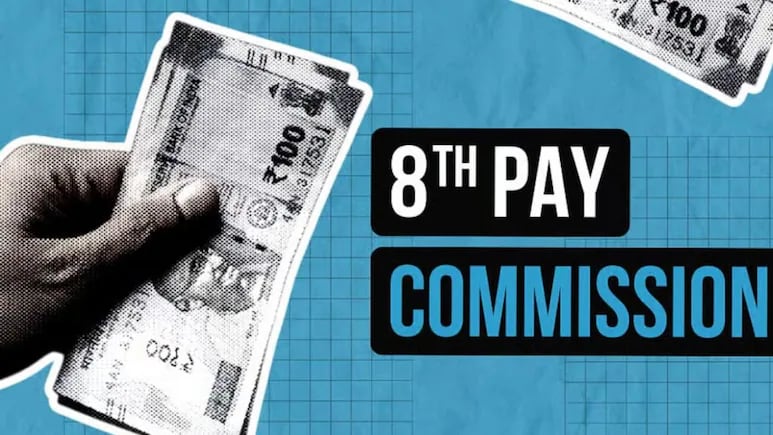
The Finance Ministry of India has invited Central government employees, pensioners, associations and other stakeholder groups to submit their views to the Eighth Central Pay Commission (8th CPC). The Commission is seeking suggestions on pay, pensions, allowances and related service conditions, and has set April 30, 2026, as the last date for filing representations.
The government has said that the consultation process will take place entirely online to ensure streamlined and transparent approach as the Commission begins shaping its recommendations.
Why The Commission Wants Your Inputs
Pay Commissions rely on public and organisational feedback before drafting their reports. These inputs help them understand ground realities—such as inflation concerns, pension adequacy, pay parity challenges, career progression issues and structural demands from various services.
ALSO READ: 8th Pay Commission: Will 'Five-Member Family Unit' Push Fitment Factor Above 3.0? Details Here
Also Read | Layoffs Are Rising In Tech, But These Skills Are Helping People Unlock Better Pay
By opening this window early in its process, the 8th CPC aims to gather a broad range of viewpoints that can guide evidence‑based recommendations for millions of serving and retired government personnel.
How to Submit Your Views
The 8th CPC has created a structured online format for all memorandums. Stakeholders must submit their suggestions only through the following platforms:
- 8cpc.gov.in
- innovateindia.mygov.in
The Commission has stated that paper submissions, emails or PDF attachments will not be accepted. The shift to a fully digital process ensures faster analysis and consistent documentation of all inputs.
Before submitting, employees and pensioners are encouraged to review the guidelines provided on the portals. These formats help users present their issues—such as pay anomalies, pension formula suggestions, or allowance revisions—in a clear and standardised way.
What Happens Next
Once the submission window closes on April 30, the Commission will begin scrutinising the representations, analysing data and comparing stakeholder demands with financial parameters. It will then prepare its recommendations for the government, shaping future pay and pension structures.
For now, employees and pensioners have a crucial opportunity to make their voices heard and influence the next major overhaul of government compensation.
ALSO READ: 8th Pay Commission Update: Postal Union Seeks 50% DA Merger With Basic Pay
Essential Business Intelligence, Sharp Market Insights, Practical Personal Finance Advice, Daily Fuel, Gold and Silver Prices and Latest Stories — On NDTV Profit.