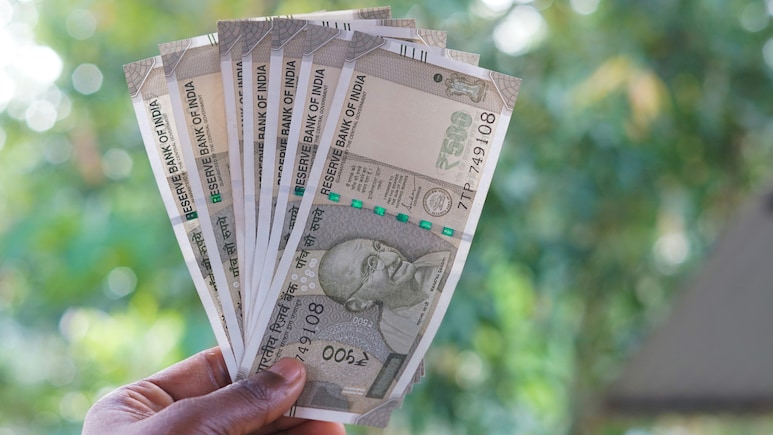
- The Federation of National Postal Organisations seeks 50% DA merger with basic pay from Jan 1, 2026
- The merger aims to offset inflation impact and delays in 8th Pay Commission recommendations
- Past pay panels merged DA over 50% to adjust for inflation and improve pay structure
The Federation of National Postal Organisations has written to the 8th Pay Commission seeking the merger of 50% dearness allowance (DA) with basic pay as interim relief to central government employees and pensioners with effect from Jan. 1, 2026.
In a letter dated Feb. 27, addressed to Justice Ranjana Prakash Desai, chairperson of the 8th Central Pay Commission, the federation said that the proposed merger would help offset the continued impact of inflation and delays in the implementation of the Commission's recommendations.
FNPO secretary general Sivaji Vesireddy stated that employees and pensioners were facing mounting financial pressure amid rising prices and uncertainty over when the 8th Pay Commission's report would be finalised and implemented. He said interim support was necessary to prevent further erosion of income.
Also Read | Layoffs Are Rising In Tech, But These Skills Are Helping People Unlock Better Pay
In the letter, FNPO stated, “In the light of the prevailing inflationary conditions and the erosion of real wages, my Federation earnestly request the Hon'ble Commission to recommend to the Government the merger of 50% Dearness Allowance with Basic Pay/Pension with effect from 01.01.2026 as a measure of interim relief. This measure would provide immediate financial relief, restore partial purchasing power, and ensure economic dignity to lakhs of employees and pensioners across the country.”
Vesireddy told ET Wealth Online that past pay panels had adopted similar measures when DA crossed certain thresholds.
Grounds Cited By FNPO For DA Merger
Erosion of real wages: The federation pointed to prolonged inflation in recent years, stating that it has significantly weakened employees' purchasing power. Rising prices of essential goods and services, it said, have steadily increased the financial burden on both serving staff and pensioners.
Principle adopted in earlier Pay Commissions: FNPO said that past pay commissions have adopted the practice of merging a portion of DA with basic pay once it crossed the 50% mark. According to the federation, such a step was intended to offset inflationary pressures and introduce structural corrections in the pay framework. A merger, it added, also ensures that future DA revisions are calculated on a more realistic base.
Impact on allowances and retirement benefits: The union said that several allowances and post-retirement benefits are linked directly to basic pay. Without merging DA, it said, employees do not experience a meaningful rise in overall earnings.
The proposed 50% merger, FNPO contended, would:
- Increase house rent allowance, transport allowance and other pay-linked components.
- Strengthen pension, gratuity and related retirement benefits.
- Offer greater long-term financial security to employees and pensioners.
Interim relief pending final recommendations: The FNPO also said that the formation of the 8th Central Pay Commission and the time required for it to submit and implement its recommendations could result in a prolonged wait for employees. In this context, the federation said interim measures were necessary to address ongoing financial strain.
ALSO READ: 8th Pay Commission: Have Your Say On Fitment Factor And Salary Hike Via MyGov.In — Here's How
Current DA, DR Levels
At present, dearness allowance for employees and dearness relief (DR) for pensioners stand at 58% each. A further 2% increase is expected shortly. DA and DR are revised twice a year, in January and July, and are linked to movements in the All India Consumer Price Index for Industrial Workers (AICPI-IW). These components are intended to cushion government staff and retirees against inflation.
ALSO READ: 8th Pay Commission: Will Government Employees Get 30% Salary Hike? Check Key Details
Essential Business Intelligence, Sharp Market Insights, Practical Personal Finance Advice, Daily Fuel, Gold and Silver Prices and Latest Stories — On NDTV Profit.