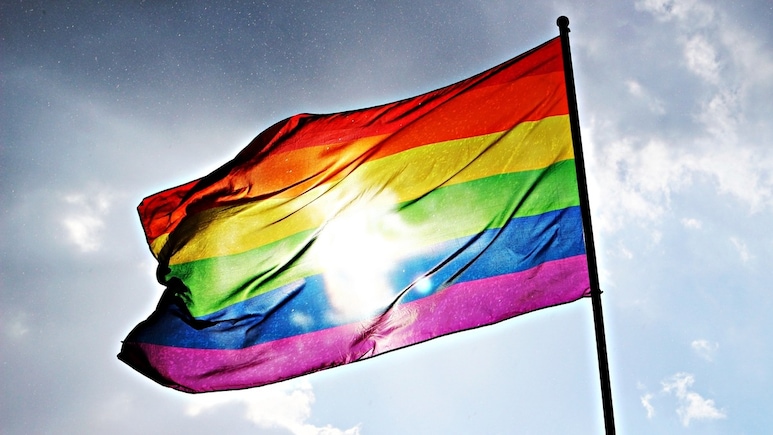
FIFA has confirmed that rainbow flags will be allowed inside Seattle Stadium for the FIFA World Cup 2026 group-stage match between Egypt and Iran on Saturday. The decision stands in stark contrast to the 2022 World Cup in Qatar, where several European captains abandoned plans to wear "OneLove" armbands after FIFA threatened sporting sanctions, while fans also reported rainbow-themed clothing and flags being confiscated at stadium entrances. The latest ruling has attracted even greater attention because it involves two countries where homosexuality is criminalised.
Both Egypt and Iran have objected to the decision, arguing that Pride-related symbols and celebrations conflict with their cultural and religious values. FIFA has nevertheless maintained that rainbow flags are permitted under its World Cup 2026 Stadium Code of Conduct as expressions of human rights.
Why Has FIFA Taken A Different Approach This Time?
The controversy stems from a scheduling quirk.
Egypt and Iran were drawn to face each other in Seattle, with the fixture coinciding with the city's annual Pride weekend. Seattle's local organising committee subsequently designated the game as a local "Pride Match" as part of wider celebrations taking place across the city.
ALSO READ | FIFA World Cup 2026: How Are The Best Third-Placed Teams Decided? Every Tiebreaker Rule Explained
Following calls to clarify its position, FIFA said its World Cup 2026 Stadium Code of Conduct permits "general statements of human rights", including rainbow flags and other symbols representing sexual orientation and gender identity. The governing body added that such items must comply with stadium regulations and follow size restrictions.
Gianni Infantino Explains FIFA's Decision
As criticism mounted, FIFA president Gianni Infantino sought to separate the tournament from Seattle's local events.
"There will be no 'Pride Match' at the World Cup," Infantino told Swiss magazine Die Weltwoche. "There will be a FIFA World Cup match in Seattle and, on the same day, events organised by external organisations will be taking place in the city. But that has nothing to do with the match itself."
His remarks underline FIFA's position that while Pride events are taking place in Seattle, they are not part of the World Cup itself.
Why Has the Decision Sparked Controversy?
The ruling has prompted objections from both participating nations.
Egypt and Iran have reportedly argued that LGBTQ+ symbols conflict with their cultural and religious values. Homosexuality is illegal in both countries, with Iran's laws carrying some of the world's harshest penalties for same-sex relations.
The decision has also fueled accusations of inconsistency. While FIFA has classified rainbow flags as expressions of human rights that are permitted under its stadium rules, it has banned Iran's pre-revolutionary "Lion and Sun" flag, describing it as a political symbol.
For many observers, that distinction has become the central point of debate.
Why 2026 is different from Qatar
Although comparisons with Qatar 2022 are inevitable, the legal landscape has changed.
Unlike Qatar, the 2026 World Cup is being staged across the United States, Canada and Mexico. In host cities such as Seattle, legal protections for free expression and LGBTQ+ rights significantly limit the scope for blanket bans on Pride symbols.
As a result, FIFA has relied on its written Stadium Code of Conduct rather than imposing restrictions similar to those seen four years ago, allowing rainbow flags inside stadiums provided they comply with tournament regulations.
ALSO READ | Germany Vs Ecuador Highlights: La Tri Stun Group Winners To Keep FIFA World Cup Hopes Alive
Essential Business Intelligence, Sharp Market Insights, Practical Personal Finance Advice, Daily Fuel, Gold and Silver Prices and Latest Stories — On NDTV Profit.