Delhi government has imposed a night curfew in the city from 10 p.m. to 5 a.m. with immediate effect, to contain the spread of Covid-19.
However, the rules are applicable only to movement of people and not essential goods and services, the statement issued by the Delhi government said. There will be no restrictions on traffic movement during the curfew.
Here’s a list of what is allowed during the curfew:
Doctors, nurses and paramedical staff can move freely if ID card is produced.
Pregnant women and patients going for treatment are exempted.
People can get vaccinated but will have to provide an e-pass.
Passengers going to airports, railway stations and bus stations can travel with a valid ticket.
No restriction on inter-state and intra-state movement/transportation of essential/non-essential goods. No separate permission/e-pass required.
Retailers who need to travel after hours for ration, grocery stocks, vegetables, milk and medicines allowed to do so with e-passes.
Movement of print and electronic media personnel also exempted with an e-pass.
Buses, metro, autos, taxis and other modes of public transport allowed to ferry only those exempt from night curfew.
The night curfew will remain in place till April 30.
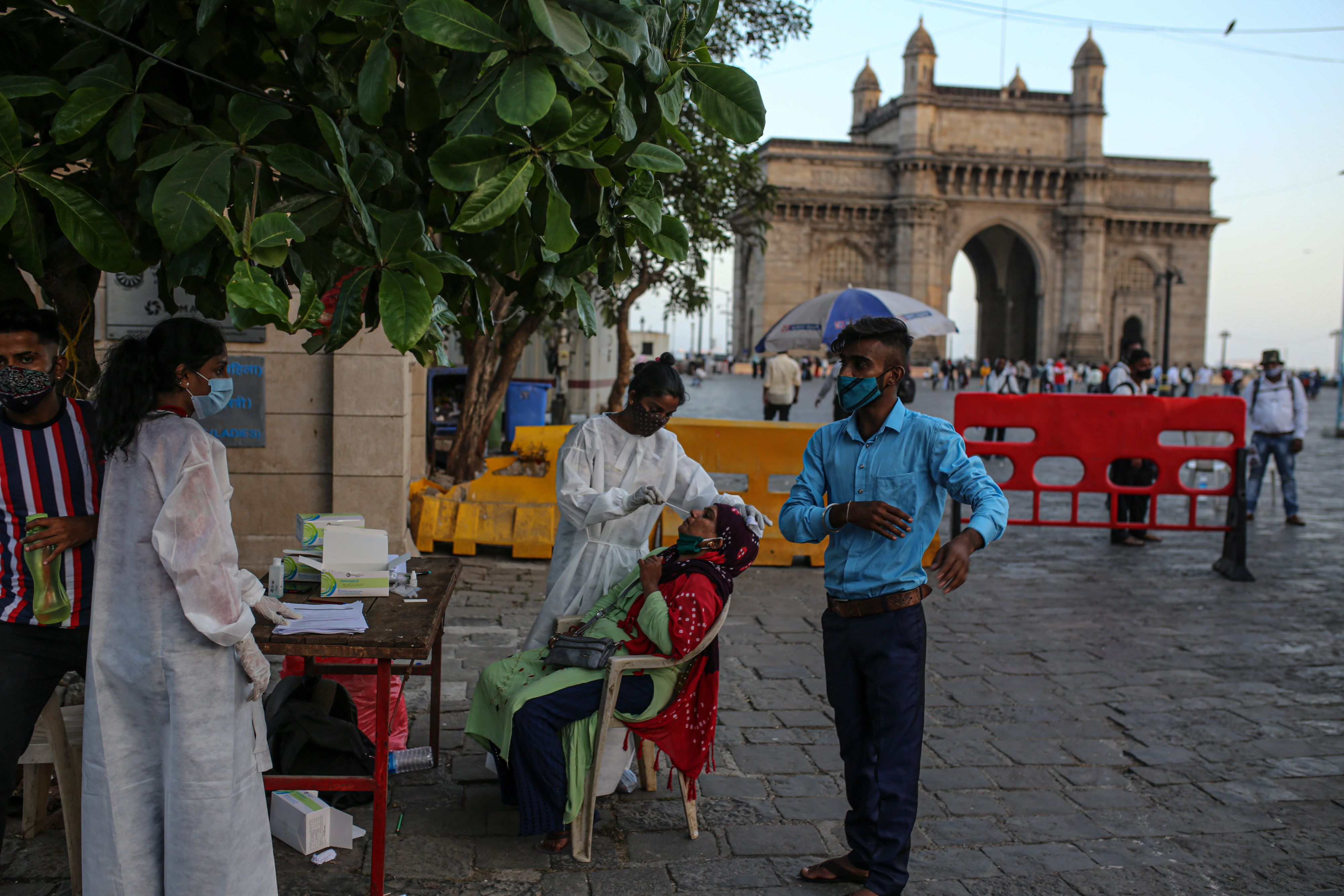
On Sunday, the Government of Maharashtra had issued stringent curbs amid the second wave of the pandemic. Restrictions included a night curfew from 8 p.m. to 7 a.m. and a weekend lockdown.
Authorities have administered more than 8.3 crore vaccination shots since the inoculation drive began in January, with 43 lakh beneficiaries receiving the jab in just the last 24 hours. India is in the third phase of its immunisation programme where everyone above the age of 45 is eligible for the vaccine.