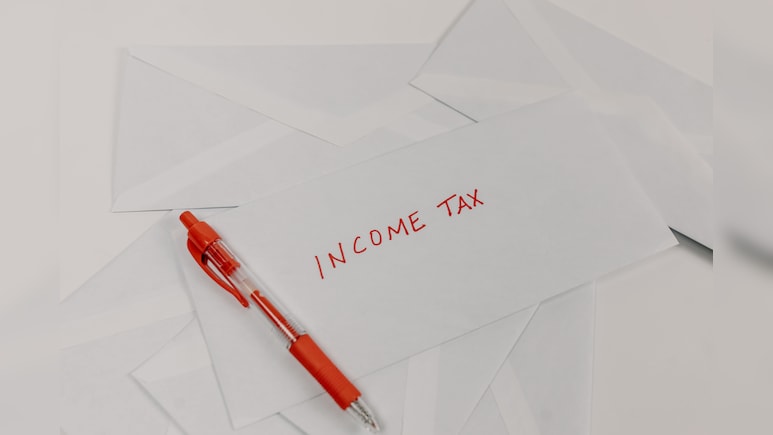
Many salaried taxpayers believe that once they have filed their Income Tax Return (ITR), their job is done. But some taxpayers may still receive a notice from the Income Tax Department due to errors or mismatches that they have mentioned in the return.
If you have received a notice after filing your ITR, one of the reasons could be salary-related mistakes. Here are five common errors and what you can do to correct them.
Mismatch between Form 16 and ITR
A salary mismatch happens when the salary you show in your Income Tax Return (ITR) is different from what your employer and tax records show. When you file your ITR, your salary details should match Form 16, TDS return filed by your employer and Annual Information Statement (AIS).
The mismatch usually happens when you forget to include some salary components such as bonus, arrears or incentives, job change during the year or calculation errors.
How to fix: Compare your ITR with Form 16 and AIS carefully, file a revised return with correct details and keep salary slips and Form 16 ready as proof.
Also Read | NSE To File IPO Draft This Week; Listing to Catapult Bourse Into Nifty's Top 10
Overstating investment declarations
Some salaried employees try to reduce their monthly TDS (tax deducted from salary) by showing higher tax-saving investments in advance. This is done through a declaration form given to employers, usually Form 12BB. But this becomes a problem if the investments are not actually made.
How to fix: Tell your HR about the actual investment amount you made and submit updated proof. So, your employer will recalculate your salary tax and adjust TDS in remaining months.
Incorrect personal information
Sometimes tax notices come because of wrong personal details in your ITR. Common errors include name spelled differently from PAN, incorrect date of birth, address details, bank account information, mobile number, email ID or PAN number.
How to fix: Taxpayers can correct it by updating PAN details where required, filing a revised return, or correcting bank information on the income tax portal.
Not paying attention to advance tax
Advance tax means paying tax during the year, not just at the end. So, if you miss this, then it can lead to penalties, especially when a salaried person earns additional income like interest, rent, capital gains, or freelancing income and does not pay tax on it during the year.
In such cases, the Income Tax Department may charge interest for short payment of advance tax under Sections 234B and 234C.
How to fix: Taxpayers should estimate their total yearly income in advance, calculate tax liability, and pay advance tax in installments on time through the income tax portal.
Also Read | Worst Of 2026 Behind Us? Smallcaps To Lead Bull Market For A Year, Says Nuvama's Technical Analyst
Submit proof for claims on time
When you declare tax-saving benefits like HRA, home loan interest, or travel allowance, your employer needs proof before reducing TDS. You must submit documents to HR including rent receipts, home loan interest certificate, travel bills and other deduction proofs.
How to fix: Submit all proofs before the payroll deadline and keep documents ready in advance.
Essential Business Intelligence, Sharp Market Insights, Practical Personal Finance Advice, Daily Fuel, Gold and Silver Prices and Latest Stories — On NDTV Profit.