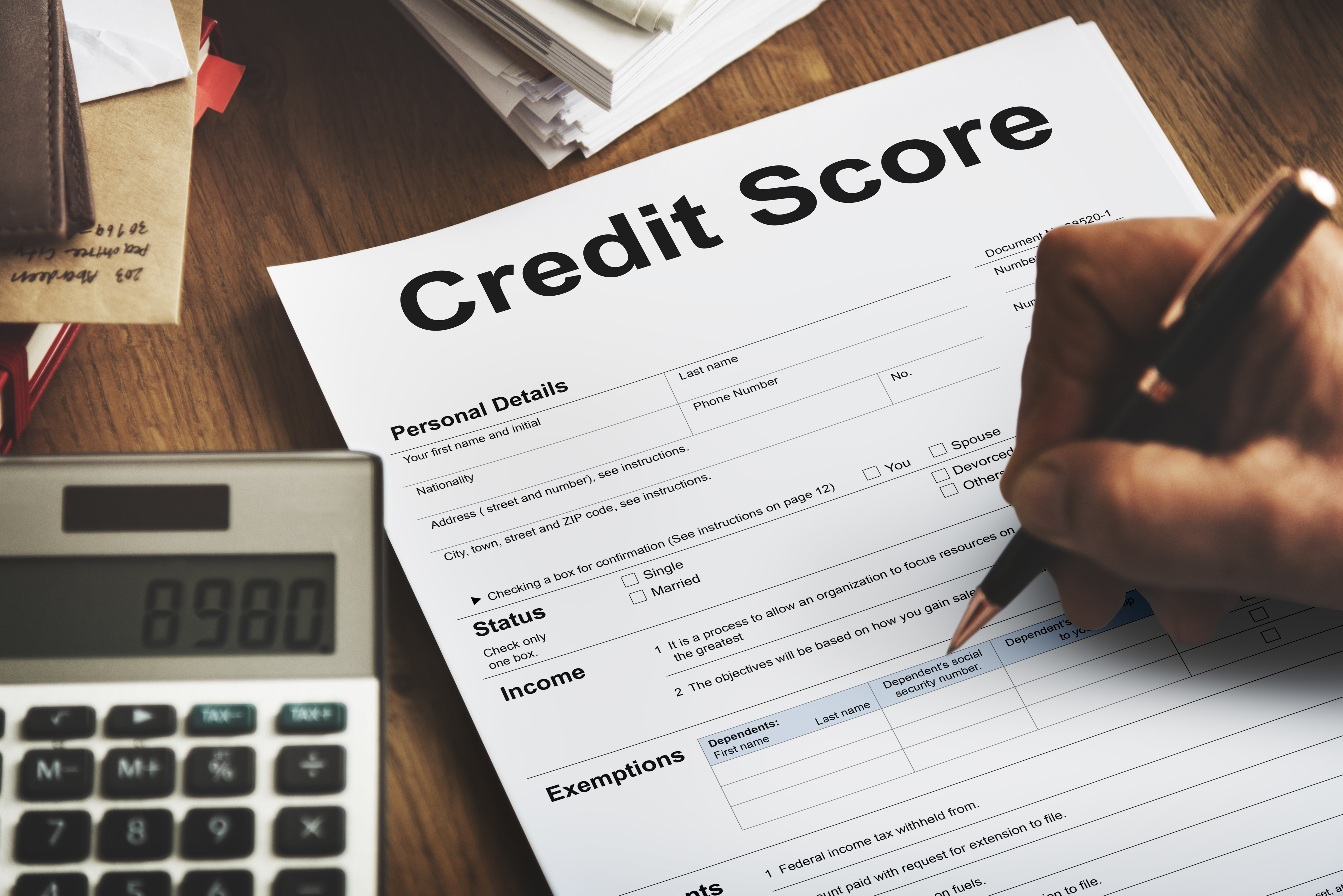
A credit score is one of the most important factors lenders consider when approving a loan. In India, TransUnion CIBIL assigns scores ranging from 300 to 900, with a higher score reflecting better creditworthiness. If your credit score is low, securing a loan can become difficult. Even if you do get approval, it may come with a higher Equated Monthly Instalment (EMI).
Higher Interest Rates And EMIs
A low CIBIL score signals a higher risk for lenders, prompting them to charge a higher interest rate on loans. Even a small increase in the interest rate can significantly impact your EMI. For example, if you take a home loan of Rs 50 lakh for 20 years at 8% interest, your EMI will be around Rs 41,822. But if your credit score is low and the bank charges 10% interest instead, the EMI rises to Rs 48,251.
Lower Loan Eligibility
With a low credit score, lenders may approve a lower loan amount than requested. This means you may have to arrange additional funds from personal savings or take loans at higher interest rates, further increasing your financial burden.
Shorter Repayment Tenure
Banks and financial institutions may shorten the repayment tenure for borrowers with low credit scores. A shorter tenure means higher EMIs, which can put additional pressure on your monthly finances. For example, a personal loan of Rs 5 lakh at 10% interest for five years results in an EMI of Rs 10,624, but if the tenure is reduced to three years, the EMI increases to Rs 16,134.
Higher Down Payment Requirements
For home and car loans, banks may ask for a higher down payment if your credit score is low. This ensures that the lender takes on less risk, but it means you need to arrange more funds upfront.
Difficulty In Getting Loan Approvals
A poor CIBIL score might lead to outright loan rejection, forcing you to seek credit from non-banking financial companies (NBFCs) or private lenders, who charge significantly higher interest rates.
How To Improve Your Credit Score
To maintain a good credit score and secure loans at favourable terms, ensure timely repayment of EMIs, avoid excessive credit card usage and monitor your CIBIL score regularly.
A low credit score doesn't just affect loan approval — it directly impacts how much you pay every month.
Essential Business Intelligence, Continuous LIVE TV, Sharp Market Insights, Practical Personal Finance Advice and Latest Stories — On NDTV Profit.