For a growing number of Indian investors, global investing is no longer about chasing the next big US stock or riding a tech rally. It is about something far more basic — protecting the value of their money against a steadily weakening rupee.
According to Vested Finance's 'How India Invests Globally – 2025 Report', Indian investments in global markets have grown from $400 million to over $1.6 billion in recent years, driven largely by individual investors rather than institutions. The timing of this shift is not accidental.
The rupee weakened to a record low of Rs 90.82 per US dollar on Tuesday, extending its downward trajectory amid persistent dollar strength and global risk aversion.
For more than a decade, the Indian rupee has depreciated steadily against the US dollar, losing around 3-4% annually on average. That slow erosion has pushed currency risk into everyday portfolio conversations.
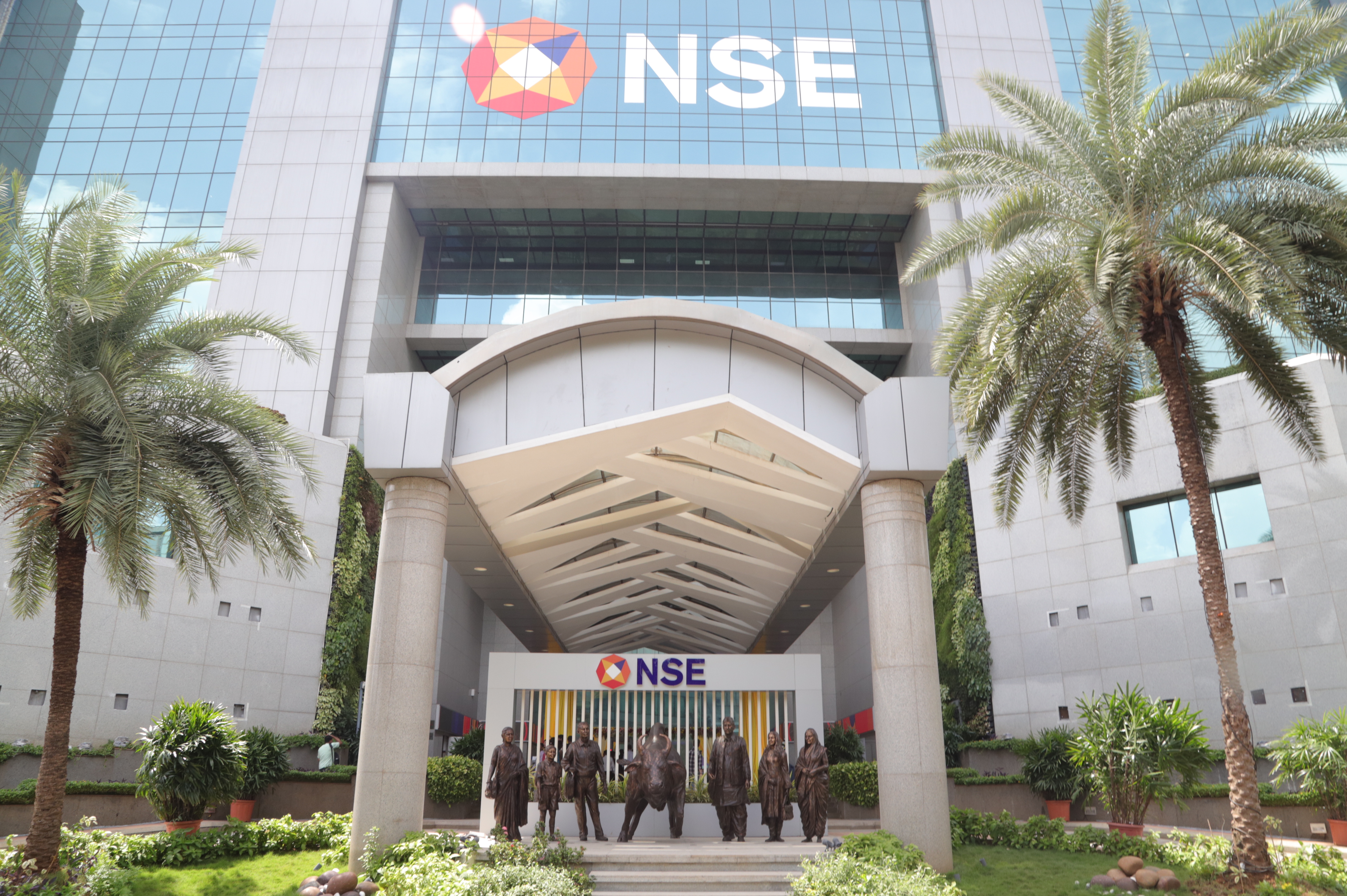
The rupee has extended its downward trajectory amid persistent dollar strength. (Image: NDTV Profit)
When Returns Aren't The Whole Story
Indian portfolios have mainly been built almost entirely around rupee-denominated assets. Equity growth was expected to compensate for inflation, while currency risk was something that investors hardly factored in. That assumption is now being challenged.
Many long-term financial goals — higher education, healthcare, travel and even retirement — are increasingly tied to global costs. As the report highlights, a portfolio that grows only in rupees may struggle to preserve purchasing power when future expenses are linked to stronger currencies.
The report's long-term comparison underscores this shift. Rs 1 lakh invested in the S&P 500, when converted back into rupees, delivered higher long-term value than the same amount invested in the Nifty — not just because of equity performance, but because of the combined impact with currency movement.
Reducing Dependence On One Market
The report shows that India has topped global equity returns only two times in the last 10 years, with leadership rotating across major markets such as the US, China, Japan and Europe. Sticking only to domestic assets factors in an implicit bet — that India will continue to outperform consistently.
By allocating a portion of portfolios abroad, investors are reducing that dependence and aligning returns more closely with global economic cycles rather than a single country's trajectory.
Explained: Rupee's Sharp Decline Against Dollar And What It Means Going ForwardNot A Short-Term Trade
The report indicates that Indian investors are approaching global exposure with a clearly long-term orientation, rather than as a tactical or opportunistic trade.
Nearly 38% of investors begin their global investing journey with less than $500, according to the report, showing cautious entry and a preference for learning. This behaviour points to intent of global exposure being added incrementally, not deployed as a reaction to short-term market or currency moves. With 48% of global investors under the age of 35, a significant share of participants are investing with multi-decade horizons in mind.
The report also notes that global investing is rarely treated as a standalone decision. Investors tend to build exposure over time, adding international assets alongside existing domestic portfolios instead of rotating aggressively between markets.
Policy Changes Make It Easier
Regulatory evolution has played a role in normalising this behaviour. Over the past two decades, India's global investing framework has become clearer and more structured through changes in remittance rules, taxation and reporting requirements.
More recently, the emergence of GIFT City as an international financial services hub has added another layer, offering Indian investors regulated access to global assets within an Indian jurisdiction. As of September 2025, GIFT City housed Rs 19,400 crore in assets across more than 310 funds, according to the report.
Indian investors are no longer viewing global markets as opportunistic add-ons. Instead, overseas exposure is increasingly being treated as a core risk-management tool, to help protect their purchasing power.
SEBI Eases Norms For Stock Brokers To Operate From GIFT CityEssential Business Intelligence, Continuous LIVE TV, Sharp Market Insights, Practical Personal Finance Advice and Latest Stories — On NDTV Profit.