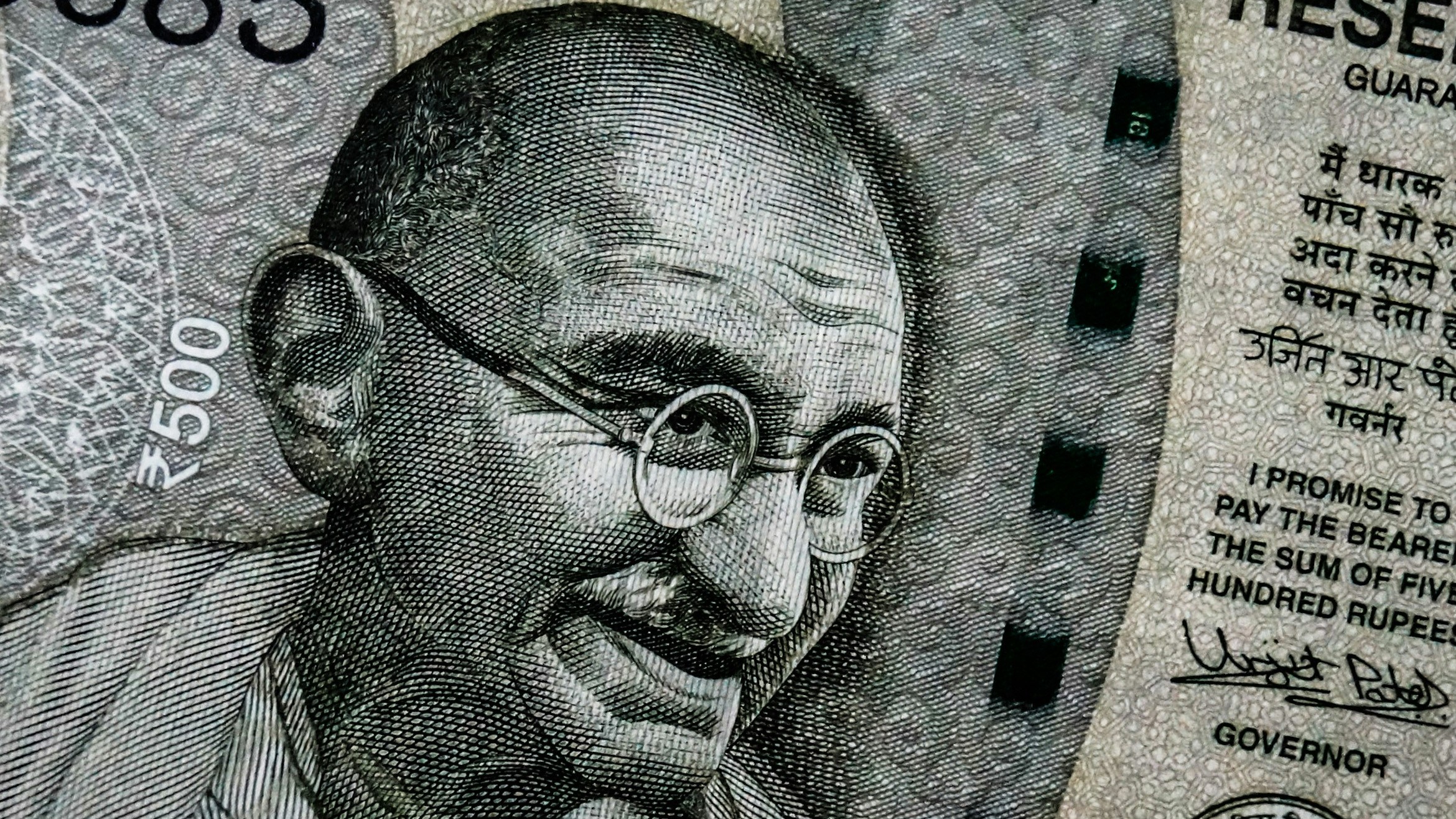
- The Indian rupee hit a record low against the US dollar amid ongoing depreciation trends
- Rupee weakness is linked to delays in the India-US trade deal, not the dollar's strength
- Fed's rate cut failed to support the rupee due to rising gold prices and importers' dollar demand
The Indian rupee hit a fresh record low against the US dollar on Friday, extending its ongoing depreciation trend. The fall comes despite positive commentary from Commerce Minister Piyush Goyal, who confirmed that India–US trade negotiations are progressing well, though he cautioned against negotiating with deadlines or hard stops. He also clarified that the recent US trade team visit was not part of the negotiation round.
Why Is The Rupee Falling?
One of the key factors weighing on the rupee is the delay in concluding the India–US trade deal. According to Harshal Dasani, Business Head at INVAsset PMS, the weakness in the rupee is not directly linked to the strength of the US dollar.
“The dollar index has eased from its recent highs after the Fed's rate cut and softer US macro prints, indicating that global dollar momentum is actually weakening. Yet USDINR continues to stay elevated, and the key reason is the delay in the India–US trade deal,” Dasani said.
Also Read | Layoffs Are Rising In Tech, But These Skills Are Helping People Unlock Better Pay
Markets had priced in progress on tariff rationalisation and improved market access, but the lack of a clear announcement has created a temporary sentiment overhang, he added.
Rupee's New Lows, 100% FDI In Insurance Cos, And Ozempic's India Launch — The Week That WasFed Rate Cut Fails To Support Rupee
The rupee's fall has come even after the US Federal Reserve cut interest rates by 25 basis points, a move that typically supports emerging market currencies. Instead, the rate cut has acted as a trigger for rising gold and silver prices, increasing dollar demand from importers, which has further pressured the rupee.
Forex traders say the local currency is weakening mainly because importers are aggressively buying dollars, particularly amid rising global prices of precious metals.
Is The Weakness Structural Or Sentiment-Driven?
Dasani believes the rupee weakness is largely sentiment-driven rather than structural.
“Domestically, India's fundamentals remain strong with solid growth, moderating inflation and comfortable FX reserves, which is why this move looks more sentiment-driven than structural,” he said.
He added that the rupee could start appreciating once India and the US reach a breakthrough in trade talks.
Rupee Hits New Record Low, Weakens Below 90.50 Against US Dollar — Market Expert Explains WhyTrade Developments Add To Pressure
The depreciation also comes amid ongoing bilateral talks between New Delhi and Washington to resolve tariff tensions. India's Chief Economic Advisor V Anantha Nageswaran told Bloomberg TV that most issues in the trade deal have been resolved, and said he would be “surprised” if a deal is not finalised by March.
However, analysts warn that continued delays could push the rupee towards the 92-level against the dollar.
Adding to external pressure, Mexico has imposed import duties of up to 50% on more than 1,400 products from Asian countries without a trade deal. The Mexican Senate approved the tariff bill this week, with duties ranging between 5% and 50%, according to a Bloomberg report.
Markets had expected the rupee to recover towards the 88–89 levels after the Fed rate cut. However, despite a weaker dollar index, the domestic currency slipped to another low, highlighting the dominance of local factors and dollar demand.
What Lies Ahead? RBI Action In Focus
Attention is now turning to the Reserve Bank of India's $5 billion dollar-rupee buy/sell swap, scheduled for next week. The move is aimed at injecting liquidity into the banking system.
According to Reuters, traders and bankers expect healthy participation, which could help ease excess dollar liquidity created by RBI's earlier dollar-selling interventions and IPO-related inflows.
For now, experts say the rupee's direction will hinge on progress in India–US trade talks, importer-led dollar demand, and the effectiveness of RBI's liquidity measures.
Arvind Chari Sees India's Relative Valuations To Drive Back FIIs Flows — Here's Why Chari Positive On IndiaEssential Business Intelligence, Sharp Market Insights, Practical Personal Finance Advice, Daily Fuel, Gold and Silver Prices and Latest Stories — On NDTV Profit.