A few years ago, corporate bonds were largely the domain of institutional investors, mutual funds and wealthy individuals. Today, they are increasingly showing up on retail investors' smartphones. Open a bond investing app and investors can browse through dozens of offerings promising annual returns of 10%, 11% or even 12% — yields that often look far more attractive than fixed deposits and, at first glance, appear less risky than equities.
That growing accessibility is helping bring more retail money into India's corporate bond market. But the surge in participation is also raising an uncomfortable question: do investors fully understand the risks behind those double-digit returns?
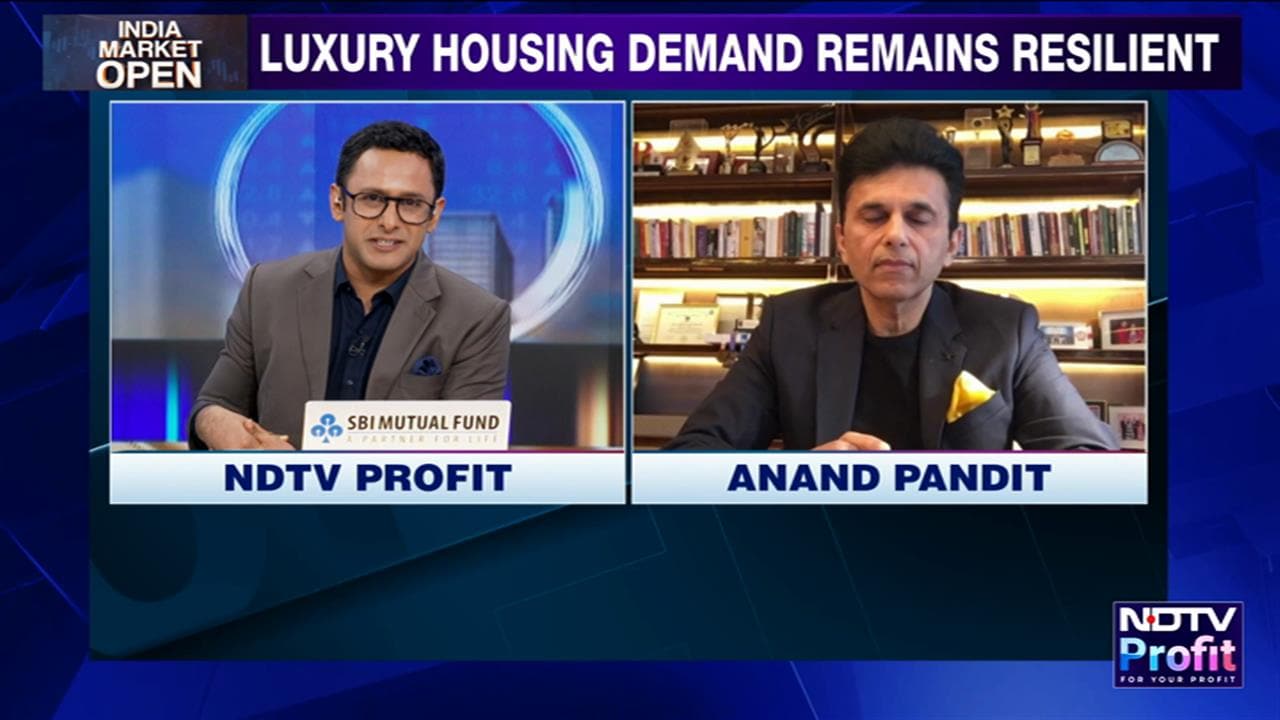
“People naturally think about risk in equities or real estate,” said Dhawal Dalal, Chief Investment Officer-Fixed Income at Edelweiss Mutual Fund, in a conversation with NDTV Profit. “Very few think about risk in the bond market.”
As investors search for alternatives to fixed deposits and look to diversify beyond equities, corporate bonds are increasingly being marketed as a middle ground — offering potentially higher returns than bank deposits with less volatility than stocks. But Dalal warns that many investors are making decisions based primarily on the interest rate on offer, without paying enough attention to the quality of the borrower.
The Yield Isn't the Whole Story
At its simplest, a corporate bond is a loan that investors extend to a company. In return, the company agrees to pay a fixed rate of interest, known as a coupon, and repay the principal at maturity. The appeal is easy to understand. A bond offering a 12% coupon can appear significantly more attractive than a bank fixed deposit yielding 6-7%.
The problem, Dalal argues, is that investors often view higher yields as an opportunity rather than a warning signal. “If a company is paying 12%, investors need to ask why it is paying 12%,” he said.
A higher coupon often reflects higher perceived risk. Companies with stronger balance sheets and stable cash flows typically borrow at lower rates, while firms facing greater business or financial risks may need to offer significantly higher returns to attract investors.
Beyond Credit Ratings
One of the biggest misconceptions among retail investors is that a credit rating is a guarantee of safety. Dalal describes ratings as third-party opinions rather than endorsements. Professional investors, he said, look beyond ratings and examine a company's business model, leverage, cash flows, management quality and competitive position before committing capital.
“Credit rating is an opinion. It is not a certificate of creditworthiness,” he said. That distinction becomes especially important when economic conditions deteriorate or company fundamentals change unexpectedly.
Unlike equities, where risks are visible through daily price fluctuations, bond market risks often emerge more gradually. Investors face interest-rate risk, where rising rates can reduce the market value of existing bonds, and credit risk, where the issuer may struggle to repay investors. The latter remains the biggest concern.
Even highly rated borrowers can face financial stress, and history has shown that credit events can emerge unexpectedly. Cases such as IL&FS demonstrated how quickly investor confidence can evaporate when repayment concerns surface.
For retail investors buying individual bonds through digital platforms, monitoring those risks is not a one-time exercise. It requires continuous tracking of a company's financial health and industry conditions — something many individual investors may not have the time or expertise to do.
The real question, Dalal suggests, is not whether a bond offers 10% or 12%, but whether investors understand the risks they are being compensated for.
Essential Business Intelligence, Sharp Market Insights, Practical Personal Finance Advice, Daily Fuel, Gold and Silver Prices and Latest Stories — On NDTV Profit.