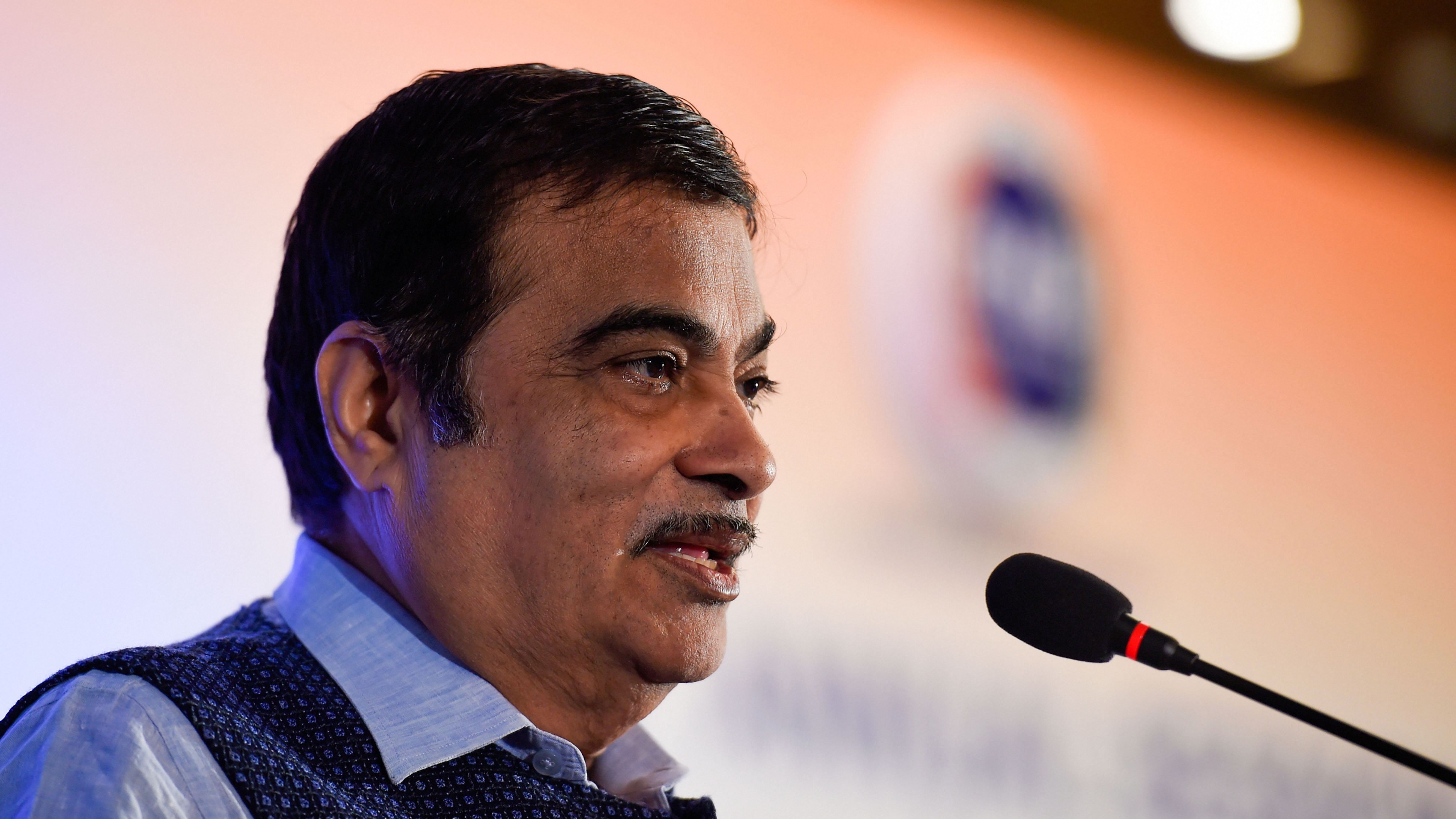
Amid worsening smog in Delhi, Union Road Transport and Highways Minister Nitin Gadkari on Tuesday admitted that the transport sector is a major contributor to air pollution. He also emphasised the pressing need to cut reliance on fossil fuels.
Gadkari, at the book launch of former Central Information Commissioner Uday Mahurkar, said, "If there is any true nationalism today, it is reducing imports and increasing exports. But look at our situation. I stay in Delhi for two days and develop a throat infection. Delhi is troubled by pollution. I am the Road Transport Minister, and around 40 per cent of pollution is linked to our sector."
Over One Lakh PUC Applications Received In Three Days Amid Anti-Pollution Measures In DelhiHe also raised concerns over India's heavy dependence on fossil fuels, pointing out that the country spends nearly Rs 22 lakh crore annually on imports. He questioned, "What kind of nationalism is this? Fossil fuels are finite, and pollution is rising. Why can't we cut fossil fuel use? Why not promote electric and hydrogen-powered vehicles that can deliver zero emissions?"
He highlighted his eco-friendly flex-fuel vehicle, which runs entirely on ethanol, stressing its potential to curb pollution and lessen India's reliance on imported fossil fuels.
His comments came as Delhi's air quality plunged to alarming levels, with the Air Quality Index (AQI) hitting levels of over 400 every day, classified as ‘hazardous' and severely impacting visibility and public health.
The Central Pollution Control Board (CPCB) reported ‘severe' air quality across several parts of the National Capital Region (NCR).
As a result of the worsening pollution, the Commission for Air Quality Management (CAQM) enforced all emergency measures under Stage IV of the Graded Response Action Plan (GRAP) across Delhi-NCR. Among the steps taken by the commission, truck-mounted water sprinklers were deployed to reduce dust and curb particulate matter in the air.
Ethanol-Blended Fuel: Will Non-E20 Cars Be Phased Out? Nitin Gadkari ClarifiesEssential Business Intelligence, Continuous LIVE TV, Sharp Market Insights, Practical Personal Finance Advice and Latest Stories — On NDTV Profit.