The Reserve Bank of India (RBI) has unveiled a sweeping set of amendments aimed at the financing of stock brokers, moving towards a more conservative 'cash-first' regulatory environment. Effective April 1, 2026, the new rules are set to significantly increase capital requirements and reduce the leverage available to brokerage houses.
The central bank's move to insulate the banking system from capital market volatility by making sure lending to brokers is backed by 'real' assets rather than paper guarantees.

-
 Indian Markets Turning Corner After Two Tough Years, Says Sandeep Tandon
-
 NDTV Profit Ignite 2026: Experts See Opportunity In Equities, Stay Bullish For Long-Term
-
 Buy Right, Sit Tight Does Not Work for Individual Stocks, Says Dinshaw Irani
-
 'Worst Is Behind': Quant MF Sees Market Bottom, Flags 'Extreme Euphoria' In Midcaps
-
 India's Mutual Fund Industry Could Become A $1 Trillion Opportunity, Say Fund Managers
-
 'Foreign Investors Are Baraatis': Raamdeo Agrawal's Take On LTCG Tax
-
 Stay Invested Through Market Cycles: Raamdeo Agrawal at NDTV Profit Ignite
-
 Ramesh Damani Remains Bullish On India For Next 20-30 Years, Sees Bargains Amid Market Weakness
-
 CAS Came After A Long Consultation Process: SEBI Chairman Tuhin Kanta Pandey AT NDTV PROFIT IGNITE
-
 Aim To Cut FPI Onboarding Time From Mth To Five Days: SEBI Chairman Tuhin Kanta Pandey AT NDTV PROFI
Key Changes In Promoter Guarantees

Under the current regime, brokers often secure bank guarantees (BGs) by offering 50% in the form of fixed deposits while covering the remaining half through personal or corporate guarantees. The RBI is ending this practice. Starting in April, all funding must be 100% secured, meaning personal or corporate guarantees will no longer be applicable.
Also Read | Layoffs Are Rising In Tech, But These Skills Are Helping People Unlock Better Pay
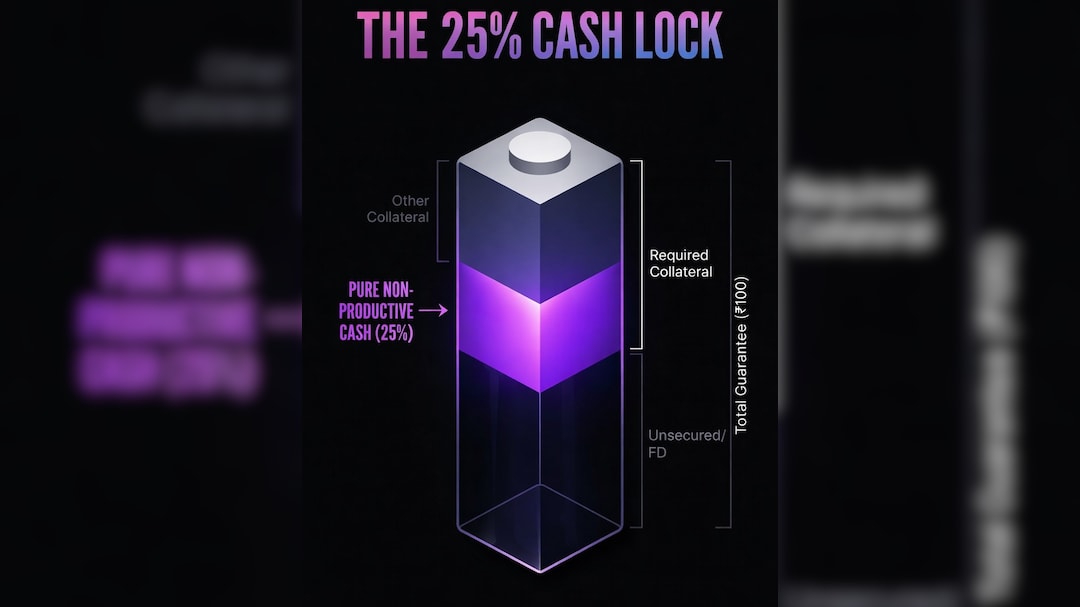
In addition, for any bank guarantee issued in favour of exchanges, at least 50% must be backed by collateral, of which 25% must be pure cash. For a broker seeking a Rs 100 guarantee, this means Rs 25 must now be locked away in non-productive cash.
Higher Haircuts and Trading Restrictions
The amendments also target the valuation of pledged securities. Banks must now apply for a mininum 40% haircut on equity shares accepted as collateral.
This effectively means that if a broker pledges Rs 100 worth of shares, the bank will only recognise Rs 60 toward their borrowing limit, thus forcing firms to pledge significantly more assets in order to maintain the same level of credit lines.
In terms of a broker's proprietary trading, meaning its own bets on the market, RBI has issued a tighter norm. Exceptions will only be granted for essential activities such as market making or debt warehousing.
Essential Business Intelligence, Sharp Market Insights, Practical Personal Finance Advice, Daily Fuel, Gold and Silver Prices and Latest Stories — On NDTV Profit.