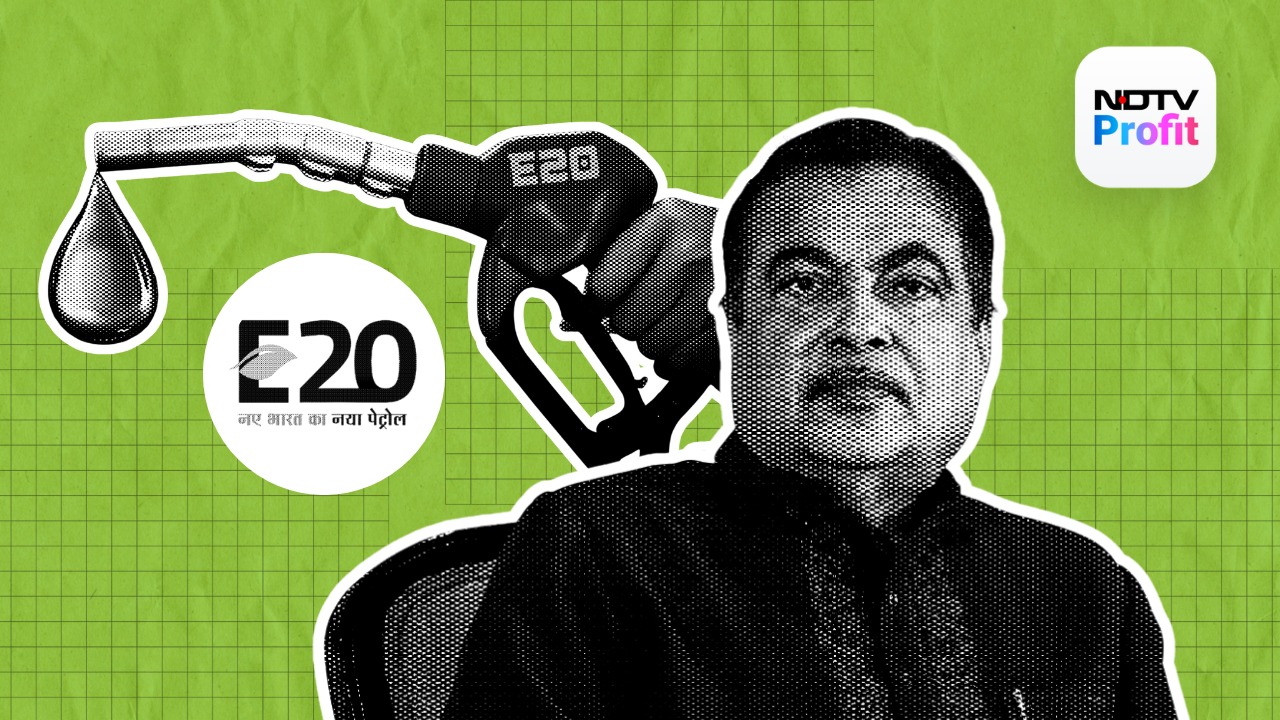
Since the introduction of E20 fuel there have been questions about how the higher ethanol mix affects older vehicles which are not compliant. Addressing an important aspect of this discussion, Union Minister for Road Transport and Highways, Nitin Gadkari, in a written response in Parliament, clarified the Narendra Modi government's stance on the issue.
According to Gadkari's reply in the Parliament, there will be no requirement for a phase out of non-compliant vehicles. He also added that normal wear and tear of the vehicle of these vehicles will be manageable during routine servicing.
The clarification by the Minister cited a study conducted by Automotive Research Association of India (ARAI), Indian Oil Co-operation Ltd. and Society of Indian Automobile Manufacturers (SIAM).
Also Read | Layoffs Are Rising In Tech, But These Skills Are Helping People Unlock Better Pay
Social Media Outrage Against E20 Petrol Was A Paid Campaign: Nitin GadkariThe clarification on E20 fuel came after MP Jagdish Chandra Barma Basunia sought details on any announcement of retrofit programme for non complaint vehicles.
Earlier this month in response to MP Derek O'Brien Gadkari had also clarified that government-backed studies show no significant performance issues or component damage from using 20% ethanol-blended petrol (E20). He also confirmed that no compensation fund for E20-related damage is under consideration, even as concerns continue to be raised by vehicle owners and lawmakers.
He emphasised the environmental and performance benefits of ethanol. Ethanol produces lower greenhouse gas emissions compared to petrol, and its higher-octane rating enhances anti-knock qualities. With E20 delivering an effective RON 95, the blend supports improved combustion and performance in compatible engines.
Mileage Loss Due To E20 Fuel?
On the commonly raised issue of mileage loss, Gadkari noted that fuel efficiency depends on several factors beyond fuel composition. Driving style, vehicle maintenance, tyre pressure, wheel alignment and air-conditioning usage all play major roles, he said. Test parameters such as drivability, startability and metal compatibility have also shown no issues during evaluation.
Addressing concerns about older vehicles, Gadkari clarified that vehicles sold before April 1, 2023 were designed for E10, while vehicles sold after that date are E20 material compliant. While this does not bar older vehicles from using E20, it does mean they were not originally engineered for higher ethanol content.
Ethanol-Blended Fuel: Vehicle Damaged? Nitin Gadkari Addresses Concerns And CompensationEssential Business Intelligence, Sharp Market Insights, Practical Personal Finance Advice, Daily Fuel, Gold and Silver Prices and Latest Stories — On NDTV Profit.