| US stocks fell on Tuesday, led by a slump in technology shares, as elevated bond yields and gains in oil prices prompted investors to pare back some of their riskier trades including bets on AI. The tech-heavy Nasdaq 100 dropped 1.7% in New York, while the S&P 500 fell 0.7%, marking three straight days of losses for the indexes. Brent crude oil pared an earlier advance to trade around $91 a barrel. Investors retreated from growth stocks as yields on longer-maturity bonds remained near multi-decade highs amid concerns over fiscal spending, persistent inflation and a flood of debt issuance. The US 30-year yield touched as high as 5.34% Tuesday before retreating slightly. Meanwhile, tensions in the Middle East showed no sign of easing after President Donald Trump indicated he's not interested in extending the expiring memorandum of understanding with Iran. ALSO READ: Swiggy Turns 'Indian-Owned' As Shareholders Cap Foreign Stake At 49.5% Also Read | Layoffs Are Rising In Tech, But These Skills Are Helping People Unlock Better Pay The market is reacting to "rising bond yields" that are a result of "a combination of energy prices, US's deteriorating fiscal situation," and elevated credit issuance, strategists at JPMorgan Chase & Co. wrote in a note on Tuesday. Growth stocks in particular tend to bear the brunt of rising yields, which dent the present value of their future cash flows and increase borrowing costs. On Tuesday, artificial intelligence-linked stocks led the selloff. The Philadelphia Semiconductor Index, which tracks chipmakers, fell 5%, while Nvidia Corp. and Intel Corp. shares slumped 2.3% and 6.6%, respectively. Matt Maley, chief market strategist at Miller Tabak + Co LLC, said the renewed weakness in tech stocks is a function of the rise in long-term interest rates. "If history is any guide, it's only a matter of time before this rise creates some meaningful headwinds for the equity markets," he wrote in a note. 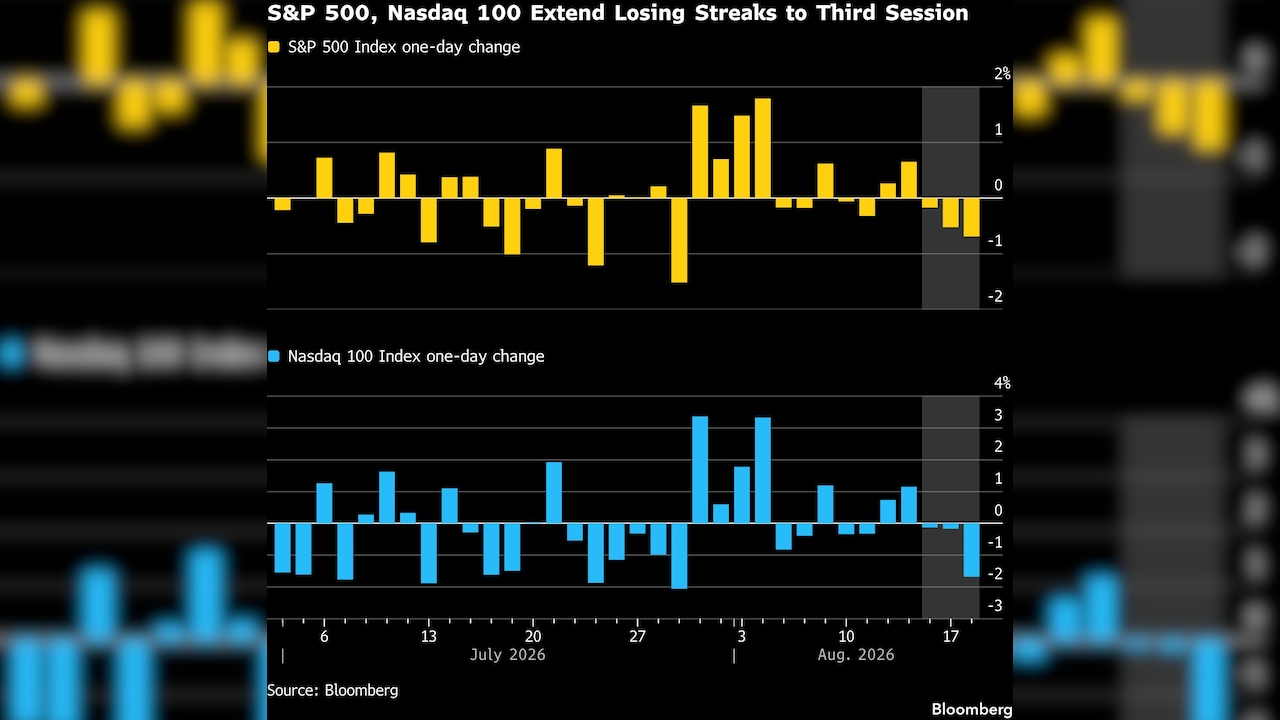 Even as the overall market declined, the S&P 500 Energy Sector Index closed at an all-time high on Tuesday, the first since March 27, as geopolitical risk propels the stocks higher. The index gained 1.8%. While yields on 30-year Treasury bonds are at their highest since 2007, it's benchmark 10-year yields that "remain the key anchor for equities, and although they have been rising too, they have not yet reached very worrisome levels," Scotiabank analysts wrote in a note on Tuesday. The 10-year yield on Tuesday reached 4.75%, the highest since 2025. As the S&P 500 and Nasdaq 100 recorded their third day of losses, expectations for a Federal Reserve rate hike are slightly more elevated than last week, with just over a third of traders pricing in an increase. Fed minutes are set to be released on Wednesday, and may offer insights into policymakers' thinking at a time when Fed Chairman Kevin Warsh has scaled back communications. "Markets are worried about, what's the reaction function of the Fed?" Kay Herr, US chief investment officer for JPMorgan's global fixed-income, currency, and commodities team, said on Bloomberg Television. "The market really doesn't really love the fact that we don't have forward guidance," Herr added, referencing the rally in yields. ALSO READ: Trade Setup For Aug 19: Nifty Support Falls To 24,000 As Bias Remains Bearish Beyond the minutes, a host of consumer earnings will be in focus after retail data came in soft last week. Home Depot Inc. started off the group Tuesday morning by beating expectations, signaling strength despite a housing market that's weighed down by high home prices and interest rates. The shares still slipped 0.1%. The reversal in US stocks follows a rally this month that was stoked by renewed optimism on the artificial intelligence trade and easing expectations of interest-rate hikes. A fund manager survey by Bank of America Corp. showed global equity allocation at its highest since November 2021, with a net 56% of polled investors overweight stocks. The Nasdaq 100 has largely recovered from a pullback last month, while the S&P 500 is trading close to record highs. 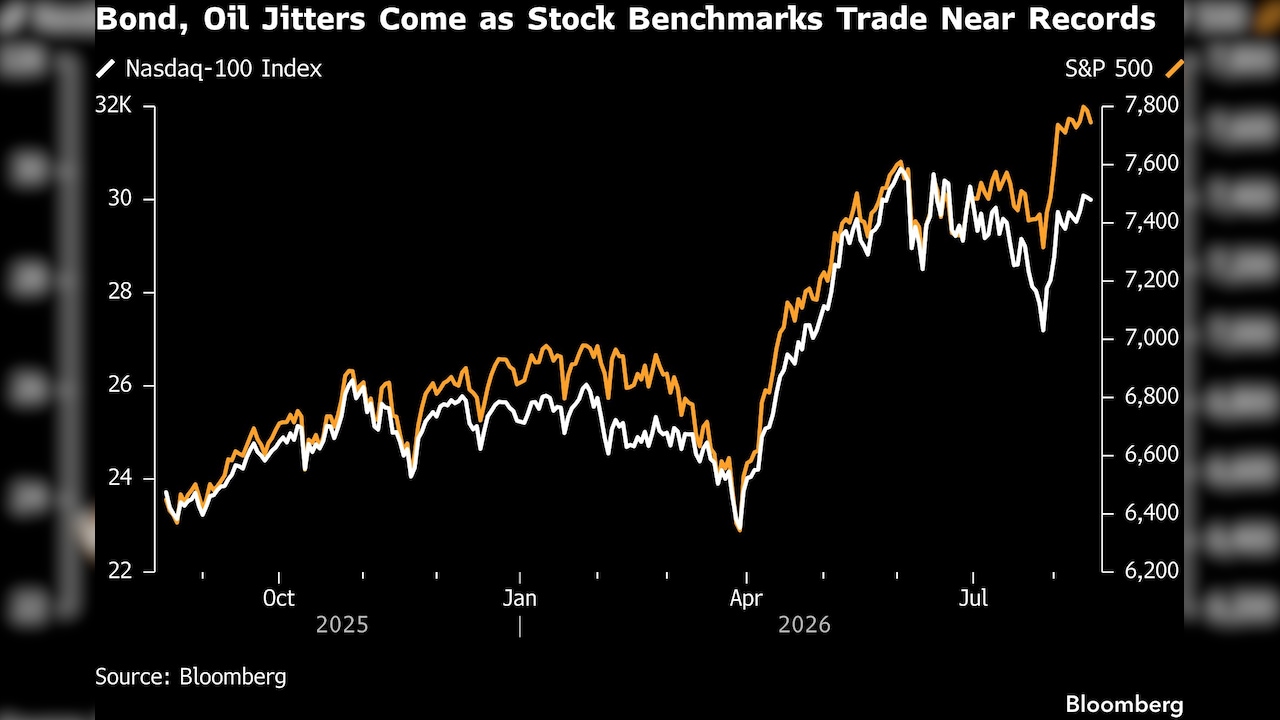 "The investment hurdle rate is rising again," said Florian Ielpo, head of macro research at Lombard Odier Investment Managers. "This time through a combination of oil, fiscal supply and long-end term premium rather than a renewed acceleration in short-rate expectations." In single-stock moves, Klarna Group shares slumped 23% after the payments firm cut its revenue guidance for this year. UGI Corp. gained 9.4% on a report from the Wall Street Journal that KKR offered to buy the natural gas and electricity distributor for roughly $9 billion. Sectors to watch
|
(This story has not been edited by NDTV staff and is auto-generated from a syndicated feed.)
Essential Business Intelligence, Sharp Market Insights, Practical Personal Finance Advice, Daily Fuel, Gold and Silver Prices and Latest Stories — On NDTV Profit.