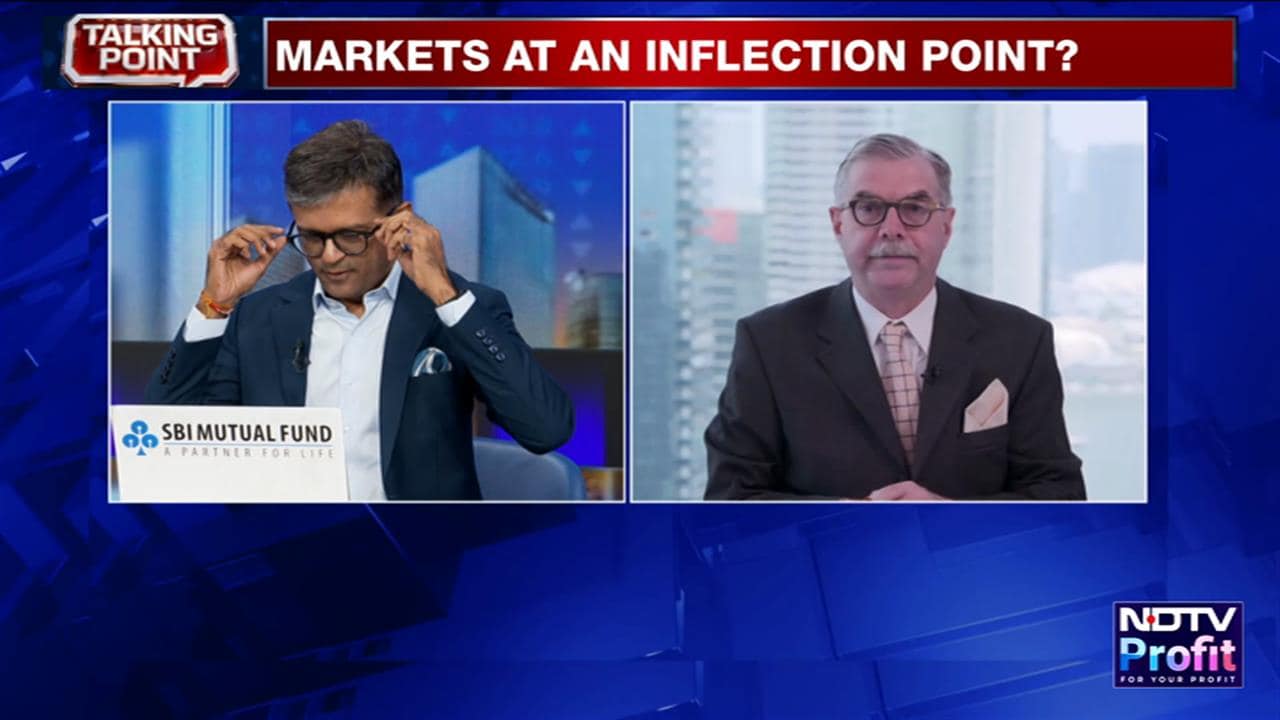
Prolonged underperformance in small-cap and mid-cap stocks could pose a bigger concern for Indian equities by eroding retail investors' confidence in the market. Aashish Somaiyaa flagged this risk in a recent post on X, even as sentiment around Indian equities remains weak.
The Nifty Midcap 150 has fallen 4.48% over the past month, while the Nifty Smallcap 250 has declined 4.73%. If the relative underperformance seen in October 2026 continues, sentiment among domestic retail investors could also begin to deteriorate, Somaiyaa wrote. However, he believes it is too early to draw a firm conclusion.

-
 NDTV Profit Ignite 2026 Live Updates: Tamannaah Bhatia Opens Up On Acting And Business
-
 Gold Price Dips Ahead Of Diwali: Can It Go Lower On Dhanteras? What To Expect
-
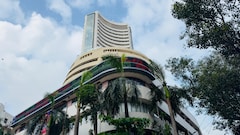 What Would Make Brokers Bullish Again On Indian Markets? Axis Lists Its Triggers
-
 India's Market Leaders To Decode The New Samvat At NDTV Profit Ignite In Mumbai On Oct 28
-
 NDTV Profit IGNITE Diwali 2026: Top Market Veterans Decode Wealth Creation
-
 NDTV Ignite, The Trillion-Dollar Trajectory: India's Road to 2030
Somaiyaa also cautioned against treating the current mood as the worst ever for India. He recalled three periods when the outlook for Indian markets and the economy turned deeply pessimistic, only for the narrative to change later.
Also Read | Layoffs Are Rising In Tech, But These Skills Are Helping People Unlock Better Pay
When India Was Written Off In 2008
The global financial crisis in 2008, triggered by the US mortgage crisis, led to a sharp sell-off across markets. While the US market fell around 30%, the Indian market declined more than 60%, Somaiyaa said.
India also faced a domestic credit crisis, particularly in real estate, followed by capital outflows, the Mumbai terror attacks, and the Satyam corporate scandal. The sell-off fuelled doubts about whether foreign institutional investors would ever return to India.
With India's market capitalisation at around $1 trillion, $16 billion of selling was enough to trigger a severe market meltdown, he recalled. Concerns over weak corporate governance, limited free float, and dependence on foreign flows added to the pessimism.
Also Read: Midcaps May Outgrow Nifty, But Kotak Says Look Beyond The Index
The Fragile Five Narrative In 2013
India faced another bout of pessimism in 2013 amid the 2G spectrum allocation controversy, the coal scam, and concerns over phone banking. The National Spot Exchange-related scandal added to the pressure, while weak external fundamentals and questions over economic competitiveness led to India being grouped among the Fragile Five economies.
By August 2013, the Nifty was around 1,500 points below its January 2008 peak. The rupee had also weakened to around 67-69 against the dollar, from about 50 a couple of years earlier.
COVID-19 Triggered Another Wave Of Pessimism
In March 2020, as the COVID-19 pandemic triggered a global market sell-off, India was among the worst-hit markets in the initial decline, falling nearly 40%.
The pessimistic outlook focused on India's tropical climate, high population density, limited medical infrastructure, and hygiene and social-distancing challenges. The country was expected to face an especially severe health and economic crisis.
Somaiyaa said he had seen India being written off three to four times over his 27-year career. While he does not suggest being complacent about the current situation, he said investors should avoid getting carried away by extreme narratives.
The key distinction, he argued, is between sentiment and actual market performance. Whether the recent weakness in small-cap and mid-cap stocks persists and begins to weigh on domestic investor confidence remains an open question.
Essential Business Intelligence, Sharp Market Insights, Practical Personal Finance Advice, Daily Fuel, Gold and Silver Prices and Latest Stories — On NDTV Profit.