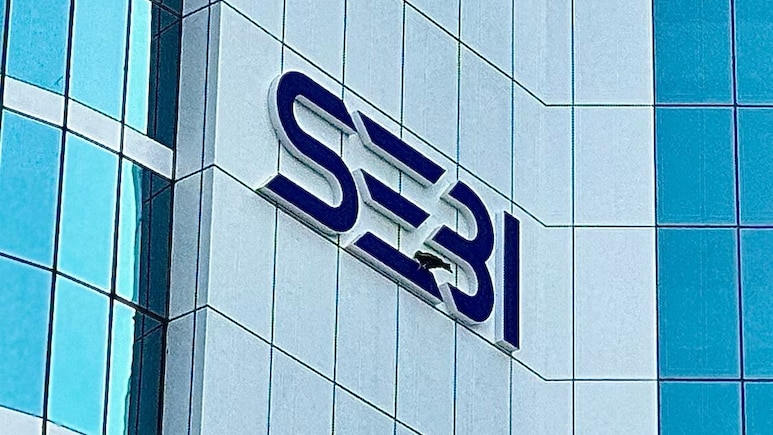
India's capital markets regulator Securities and Exchange Board of India (SEBI) has moved to plug a key gap in IPO rules by enabling a new mechanism to enforce lock-in on pledged shares, a long-standing friction point in primary market deals.
In a circular dated April 8, 2026, SEBI said that in cases where a lock-in cannot be created on certain pledged securities, depositories will now mark such shares as "non-transferable" for the duration of the lock-in period.
This follows amendments to the ICDR Regulations notified on March 21, 2026, and is aimed at operationalising enforcement through system-level controls rather than relying solely on legal or contractual restrictions.
The change is significant because pledged shares, especially those held by promoters or pre-IPO investors, often created complications during public issue filings. In some cases, the inability to technically impose a lock-in raised concerns over whether such shares could be transferred or invoked in ways that undermined regulatory intent.
With depositories now empowered to tag these shares, the framework ensures that even if a pledge is invoked or released, the underlying securities remain effectively locked in and cannot be transferred during the specified period, as outlined in the circular.
ALSO READ | SEBI Grants Temporary Relief On MPS Penalties Amid Market Volatility
SEBI has also placed clear compliance responsibilities on issuers and intermediaries. Companies will need to amend their Articles of Association, make appropriate disclosures in offer documents, and inform lenders or pledgees about the applicable restrictions.
The move is expected to streamline IPO execution by reducing last-minute compliance hurdles, while strengthening transparency around encumbered shareholding. More importantly, it closes a potential loophole that could allow circumvention of lock-in norms, reinforcing investor protection and confidence in primary market disclosures.
Essential Business Intelligence, Continuous LIVE TV, Sharp Market Insights, Practical Personal Finance Advice and Latest Stories — On NDTV Profit.