- SEBI flagged high transaction costs in Indian equity markets ahead of Budget 2027-28
- SEBI proposed scrapping 12.5% LTCG tax on foreign portfolio investor equity investments
- Tax-neutral switching between mutual fund schemes held over one year was recommended
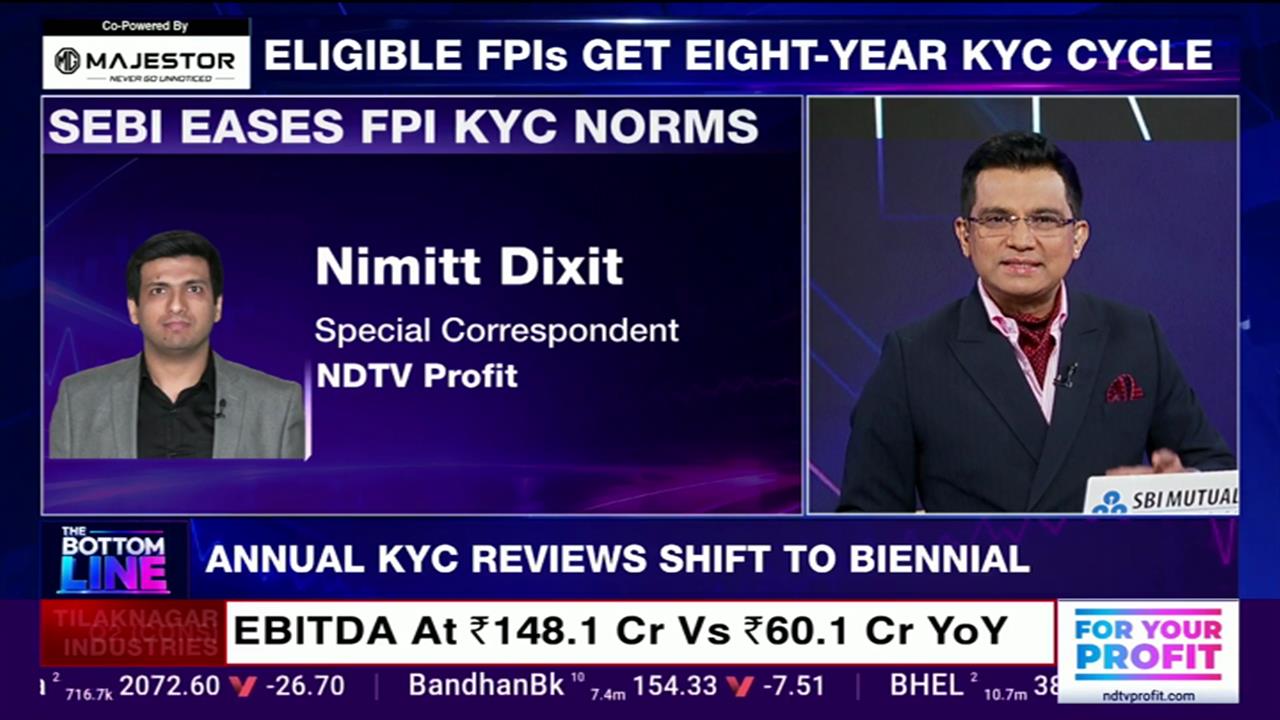
The Securities and Exchange Board of India (SEBI) has flagged high transaction costs in Indian equity markets and recommended a series of tax changes to the Finance Ministry as part of its pre-Budget proposals for Union Budget 2027-28, according to top sources.
Among its key recommendations, the market regulator has proposed scrapping the 12.5% long-term capital gains (LTCG) tax on foreign portfolio investor (FPI) investments in Indian equities. It has also suggested allowing tax-neutral switching between mutual fund schemes held for more than a year.

-
 Indian Markets Turning Corner After Two Tough Years, Says Sandeep Tandon
-
 NDTV Profit Ignite 2026: Experts See Opportunity In Equities, Stay Bullish For Long-Term
-
 Buy Right, Sit Tight Does Not Work for Individual Stocks, Says Dinshaw Irani
-
 'Worst Is Behind': Quant MF Sees Market Bottom, Flags 'Extreme Euphoria' In Midcaps
-
 India's Mutual Fund Industry Could Become A $1 Trillion Opportunity, Say Fund Managers
-
 'Foreign Investors Are Baraatis': Raamdeo Agrawal's Take On LTCG Tax
-
 Stay Invested Through Market Cycles: Raamdeo Agrawal at NDTV Profit Ignite
-
 Ramesh Damani Remains Bullish On India For Next 20-30 Years, Sees Bargains Amid Market Weakness
-
 CAS Came After A Long Consultation Process: SEBI Chairman Tuhin Kanta Pandey AT NDTV PROFIT IGNITE
-
 Aim To Cut FPI Onboarding Time From Mth To Five Days: SEBI Chairman Tuhin Kanta Pandey AT NDTV PROFI
SEBI has raised concerns over the rising cost of transactions in Indian markets, with the Securities Transaction Tax (STT) emerging as a significant component of the overall burden on investors. The regulator has conveyed to the Finance Ministry that market participants view STT as a substantial cost, adding to the overall transaction expenses of trading in Indian equities.
Also Read | Layoffs Are Rising In Tech, But These Skills Are Helping People Unlock Better Pay
The recommendations are part of SEBI's pre-Budget inputs to the Finance Ministry ahead of the presentation of the Union Budget for 2027-28.
SEBI has highlighted the high transaction costs associated with Indian equity markets and pointed to STT as an area requiring attention. The tax, which is levied on the purchase and sale of securities, adds to the cost of executing trades for market participants.
READ | SEBI Steps Up Investor Safeguards Amid Rising Market Participation: Chairman
The regulator's feedback reflects concerns that elevated transaction costs could affect investor participation and the competitiveness of Indian equity markets. Reducing the overall cost of trading could make the market more attractive for both domestic and foreign investors, particularly at a time when global markets are competing for investment flows.
SEBI Wants 12.5% LTCG Tax Scrapped For FPIs
Another significant recommendation is the removal of the 12.5% LTCG tax applicable to FPI investments in Indian equities. The proposal comes amid concerns around foreign investor participation in Indian markets and the need to make the country's equity market more competitive as a destination for global capital.
FPIs are an important source of liquidity for Indian equities, and changes to the tax framework could influence the attractiveness of domestic markets for overseas investors. However, the recommendation is part of SEBI's pre-Budget submissions and does not represent an approved tax change.
Tax-Neutral Mutual Fund Switching Proposed
SEBI has also recommended allowing investors to switch between mutual fund schemes without triggering an immediate tax liability, provided the investments have been held for more than a year. Currently, switching from one mutual fund scheme to another is generally treated as a redemption from the original scheme and a fresh investment in the new scheme. Depending on the holding period and applicable tax rules, this can trigger capital gains tax.
A tax-neutral switching mechanism could give investors greater flexibility to rebalance their portfolios or move between schemes without facing an immediate tax outgo.
The proposal could also benefit long-term mutual fund investors looking to adjust their asset allocation as market conditions and financial goals change.
The recommendations will now be considered by the Finance Ministry as part of the broader Budget consultation process. SEBI sources indicated that most such proposals are examined at the time of the Budget.
The proposals, therefore, are not final decisions and will depend on the government's assessment of their fiscal implications and broader economic priorities. If accepted, the recommendations could bring changes to the taxation of foreign portfolio investments, mutual fund transactions and the overall cost structure of Indian equity markets.
Essential Business Intelligence, Sharp Market Insights, Practical Personal Finance Advice, Daily Fuel, Gold and Silver Prices and Latest Stories — On NDTV Profit.