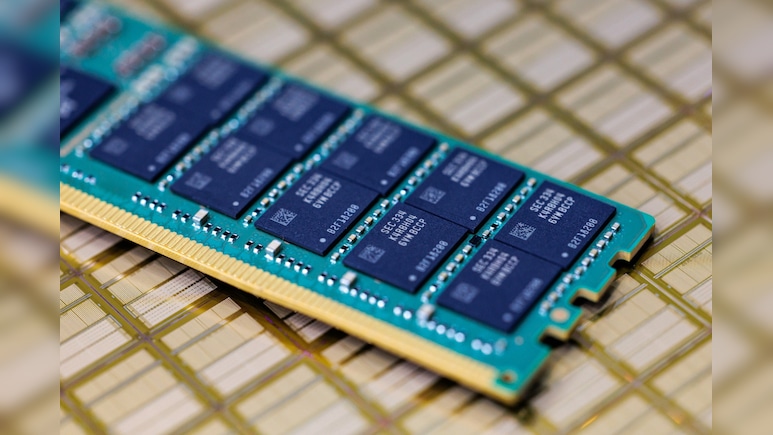
Samsung Electronics Co.'s semiconductor arm reported a more than 250-fold jump in profit after AI's reliance on memory delivered hefty margins.
The unit, which competes with SK Hynix Inc. and Micron Technology Inc., reported an operating income of 89.2 trillion won ($62 billion) in the June quarter. The result compares with the average analyst estimate of 79.3 trillion won. Group-wide net income came to 71.3 trillion won, also beating estimates.
Earnings by the world's largest memory makers are in the spotlight as investors look for evidence to justify sky-high investments and valuations fueled by the AI boom. Global semiconductor shares soared to record levels this year but have hit mounting concerns about heated competition and possible overcapacity. Investors are increasingly questioning the business case for the massive investments pouring into the industry, and are also wary about the technological advances seen by Chinese competitors.
Earlier this week, SK Hynix said its operating profit surged 557% to a record 60.5 trillion won, but the figure still fell short of expectations. Despite record profits, chipmakers' shares have tumbled in past weeks. Rising debt levels at tech companies are weighing on investors' minds, while mounting leverage tied to Samsung and SK Hynix — South Korea's two most valuable stocks — is turbo-charging volatility.
ALSO READ: SK Hynix's $600 Billion Selloff Shows Cracks in Memory-Chip Boom
The slide in the pair of chipmakers reflect both the sky-high expectations that surround the AI industry's linchpins, and growing concerns that big tech firms such as Meta Platforms Inc. are building more data centers than they need.
Multiyear contracts have become the norm for chipmakers, a move that exhibits growing pricing power while providing a buffer against downturns. SK Hynix has said it's finalized long-term agreements with about 10 customers, while Samsung has announced a contract worth more than $200 billion to supply chips to Broadcom Inc. through 2030.
That pact will focus on Samsung's 2-nanometer and advanced process technologies for Broadcom's products, expanding the two companies' collaboration across memory and foundry technologies.
Memory makers need to lock in multiyear contractual agreements with prices fixed at high levels to sustain valuations, said Jeremy Tan, chief executive officer of Tiger Fund Management in Singapore. “The forward guidance in terms of price — in terms of contractual obligations — are even more important.”
(This story has not been edited by NDTV staff and is auto-generated from a syndicated feed.)
Essential Business Intelligence, Sharp Market Insights, Practical Personal Finance Advice, Daily Fuel, Gold and Silver Prices and Latest Stories — On NDTV Profit.