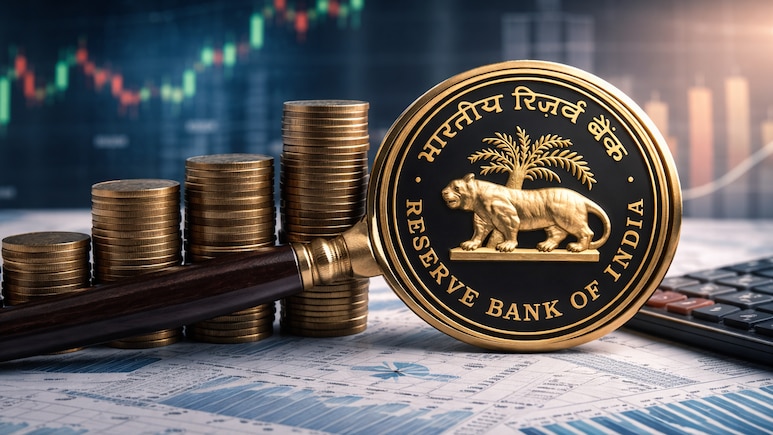
India's market intermediaries could be staring at a more conservative funding regime after the Reserve Bank of India unveiled fresh draft norms, which aimed to curb leverage in the brokerage ecosystem. The changes, which are effective April 1, 2026, could raise capital requirements and potentially even moderate trading activity in segments reliant on leverage, according to Citi.
In its latest note, Citi has highlighted the potential impact of the fresh RBI guidelines, noting that the move would push intermediaries and market participants to explore non-traditional financing channels.
The global brokerage firm believes this may also accelerate the growth of structured products and alternative lending avenues, particularly among wealth managers serving capital market clients.
Also Read | Layoffs Are Rising In Tech, But These Skills Are Helping People Unlock Better Pay
Citi adds that the new draft framework would particularly weigh on transaction-driven players such as brokers, clearing members and exchanges, considering how they are dependent on bank-backed guarantees and short-term funding lines.
Therefore, the potential increase in capital locked into cash and high-quality collateral could reduce balance sheet flexibility and curb proprietary trading activity in certain cohorts, the brokerage pointed out.
Under the current regime, brokers often secure bank guarantees (BGs) by offering 50% in the form of fixed deposits while covering the remaining half through personal or corporate guarantees. The RBI is ending this practice. Starting in April, all funding must be 100% secured, meaning personal or corporate guarantees will no longer be applicable.
In addition, for any bank guarantee issued in favour of exchanges, at least 50% must be backed by collateral, of which 25% must be pure cash. For a broker seeking a Rs 100 guarantee, this means Rs 25 must now be locked away in non-productive cash.
While Citi said it is premature to assess the overall profit and loss impact of the change, the brokerage expects a clear rise in capital intensity across the sector.
ALSO READ: RBI Tightens Norms For Capital Market Exposures Of Banks: Here's What It Means
Essential Business Intelligence, Sharp Market Insights, Practical Personal Finance Advice, Daily Fuel, Gold and Silver Prices and Latest Stories — On NDTV Profit.