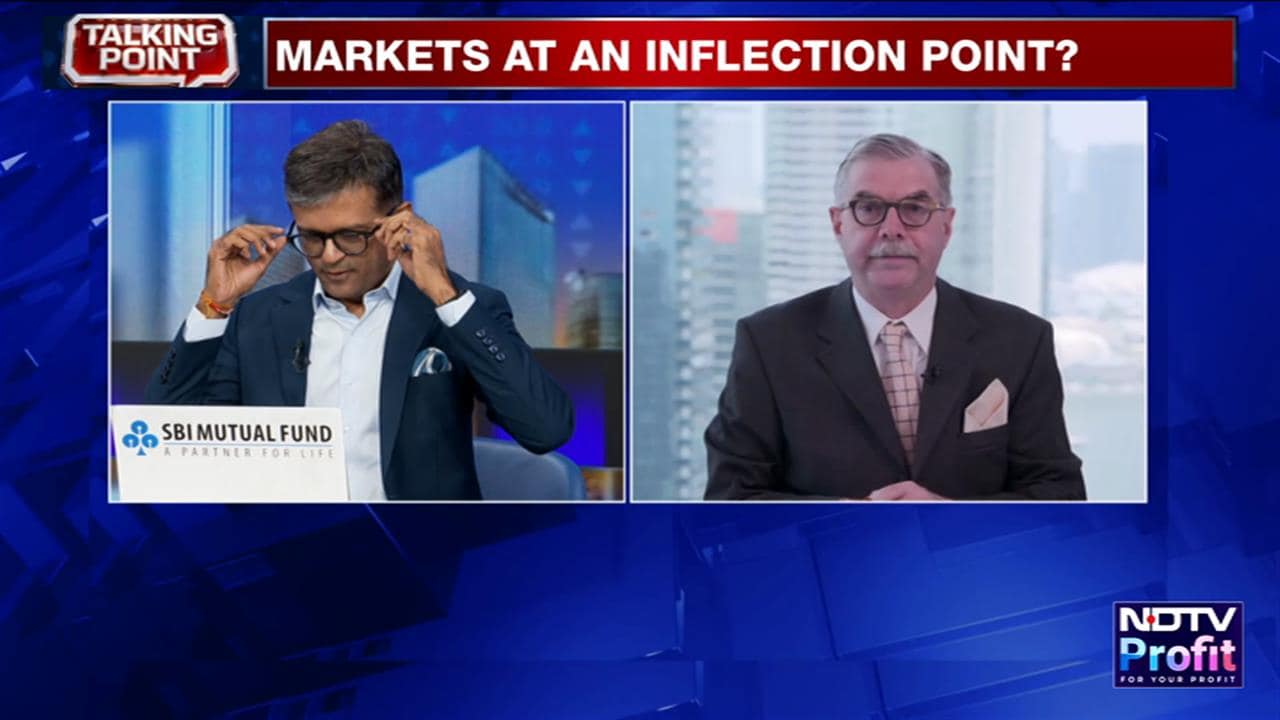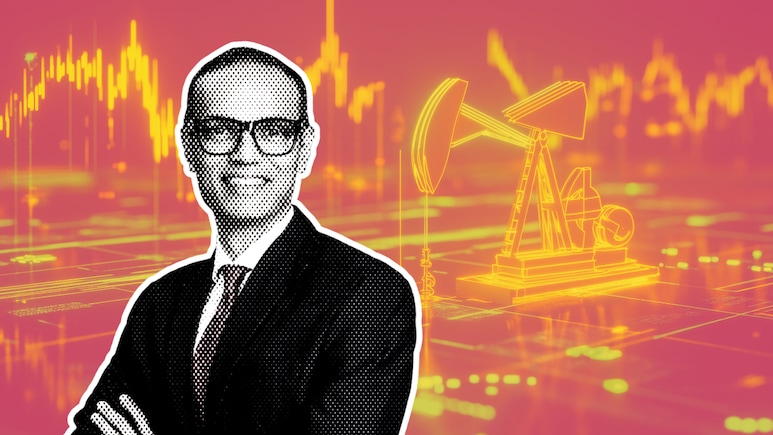
As global markets grapple with geopolitical tensions, persistent inflation risks and the rapid rise of artificial intelligence, veteran market strategist Ridham Desai believes India's true macro vulnerability lies elsewhere. Speaking at an exclusive NDTV Profit town hall, Desai singled out energy prices as the one factor capable of materially damaging India's growth trajectory.
"The bear case is of course that the war accelerates and oil goes to $130 and then I think it will create a real pain for India," Desai said, outlining the scenario he believes investors should monitor most closely.
While global conflicts and technological shifts dominate headlines, Desai argued that oil prices remain the most direct transmission channel for macro stress in India. Higher crude prices can pressure inflation, fiscal balances, and corporate margins simultaneously. However, Desai emphasised that current conditions are far less fragile than in the past. "At the moment, it's not creating so much pain. India can absorb this quite easily," he said, referring to present oil price levels despite geopolitical volatility.
Also Read | Layoffs Are Rising In Tech, But These Skills Are Helping People Unlock Better Pay

-
 India's Market Leaders To Decode The New Samvat At NDTV Profit Ignite In Mumbai On Oct 28
 -
 NDTV Profit IGNITE Diwali 2026: Top Market Veterans Decode Wealth Creation
 -
 The Week Ahead: Earnings Season, Fed Policy Verdict And Crude Oil In Focus
 -
 Silver Is Now Down From Rs 4.2 Lakh To Rs 1.9 Lakh: Where It Goes From Here
 -
 NDTV Ignite, The Trillion-Dollar Trajectory: India's Road to 2030
A key reason for that resilience is structural change in the economy. "The intensity of oil to GDP, as I have said many times in the last few years, has halved in India," Desai noted, pointing to improved efficiencies and diversification.
Not Another 2008 — Or 1991
Desai drew a clear distinction between today's macro setup and historical oil shocks that destabilised the economy. According to him, India's exposure to crude price spikes is significantly lower than during previous crises. "We are not as exposed as we were in say 2008 when oil went to $140 or in 2000, or, of course, 1991 when oil prices doubled in a single month, and our BOP crisis emerged," Desai said.
He added that India's external balance sheet, fiscal position and overall macro stability are far stronger today, making a repeat of those crisis episodes unlikely unless oil prices rise sharply and remain elevated. While acknowledging geopolitical risks, Desai suggested markets tend to look beyond wars once immediate uncertainty fades. In contrast, oil shocks have a more sustained and measurable impact on economic outcomes.
At current levels, energy prices may cause discomfort but are unlikely to derail growth. Only a sharp escalation in crude prices would change that calculus. Desai cautioned against overreacting to short-term narratives around AI disruption or geopolitical conflict.
ALSO READ: 'Best Time To Buy': Decoding Ridham Desai's Mantra Of 'Max Returns, Max Uncertainty'
Essential Business Intelligence, Sharp Market Insights, Practical Personal Finance Advice, Daily Fuel, Gold and Silver Prices and Latest Stories — On NDTV Profit.