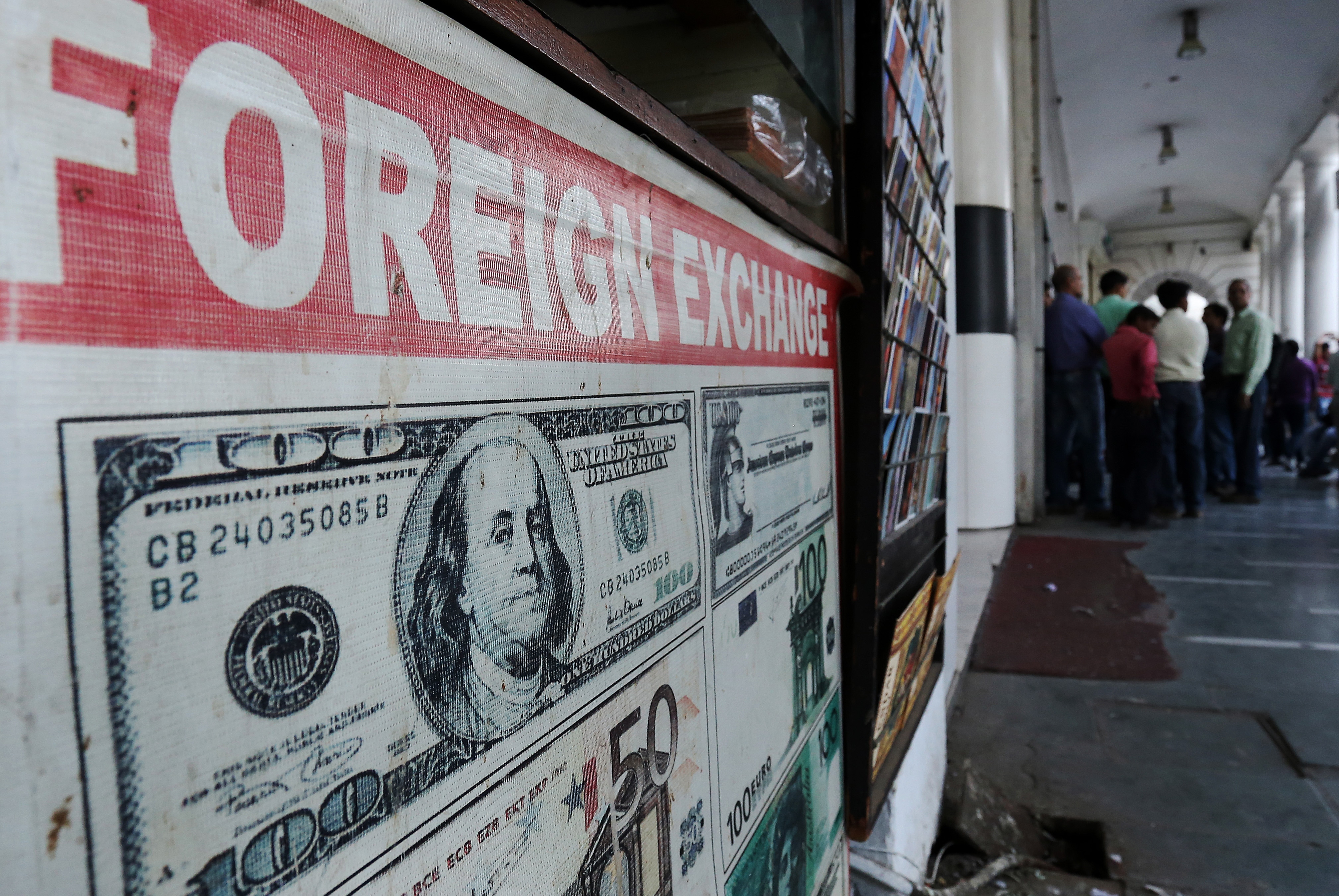
For the week gone by, the India rupee rebounded by 21 paise against the U.S. dollar after two straight weeks of decline. The rupee traded sideways for most of the week, before ending at 64.98 a dollar. Most Asia currencies traded mixed after U.S. President Donald Trump escalated trade tensions with China.
The forex market sentiment turned slightly positive after the Reserve Bank of India kept its policy rate unchanged, outlined higher growth expectations for the new fiscal citing a strong revival in investment activity, and lowered its inflation forecast.
The country's foreign exchange reserves hit an all-time high of $424.4 billion after rising by $1.8 billion in the week to March 30, the RBI said.
On the global front, the Dollar Index turned lower following Friday's lacklustre jobs report, slipping from a five-week high it had hit a day earlier. Currency traders in the United States weighed the latest tariff threat with the takeaways from a speech by Federal Reserve Chairman Jerome Powell, who said that the central bank would continue patiently on its policy normalisation path, adding that a slower pace of rate increases also reduced the risk of “an unforeseen blow to the economy.”
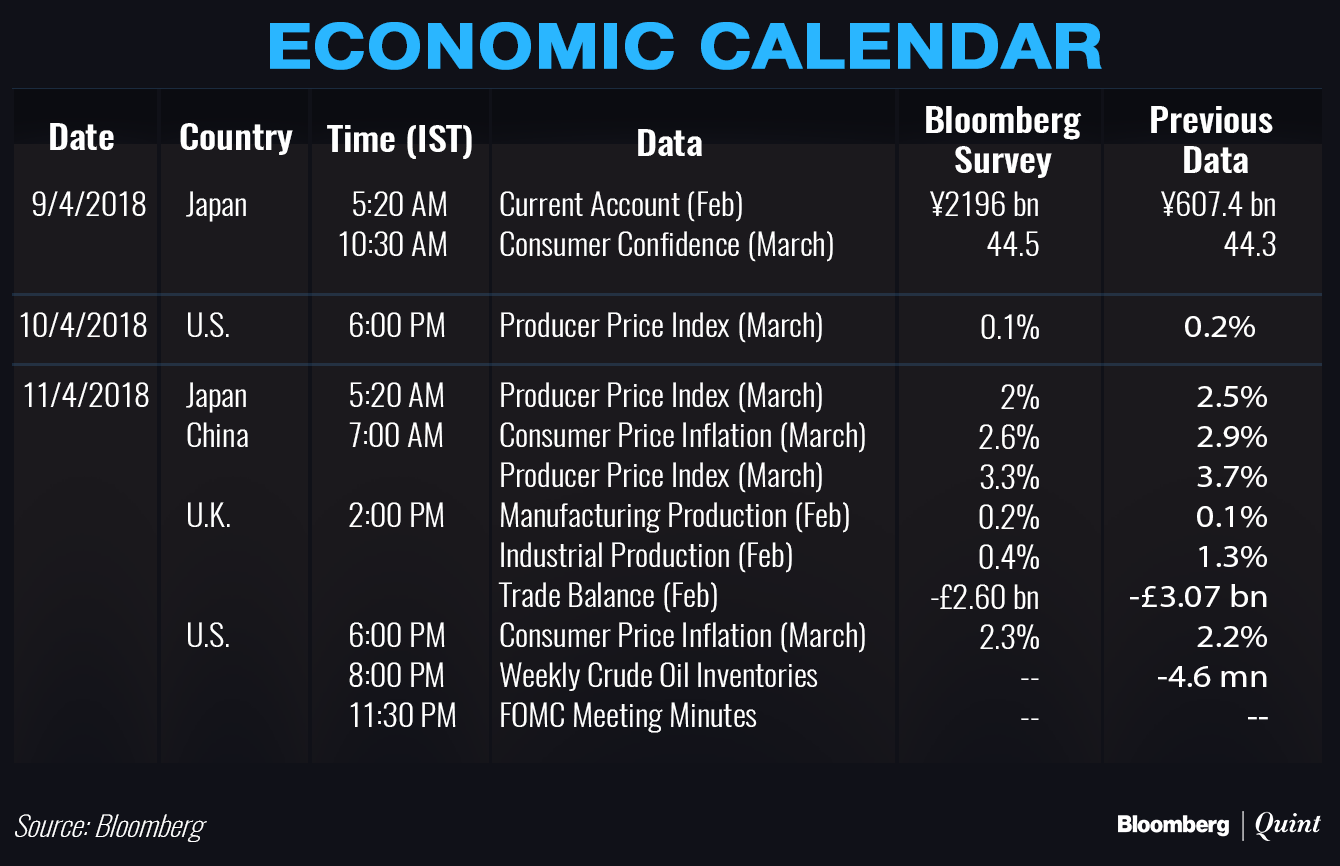
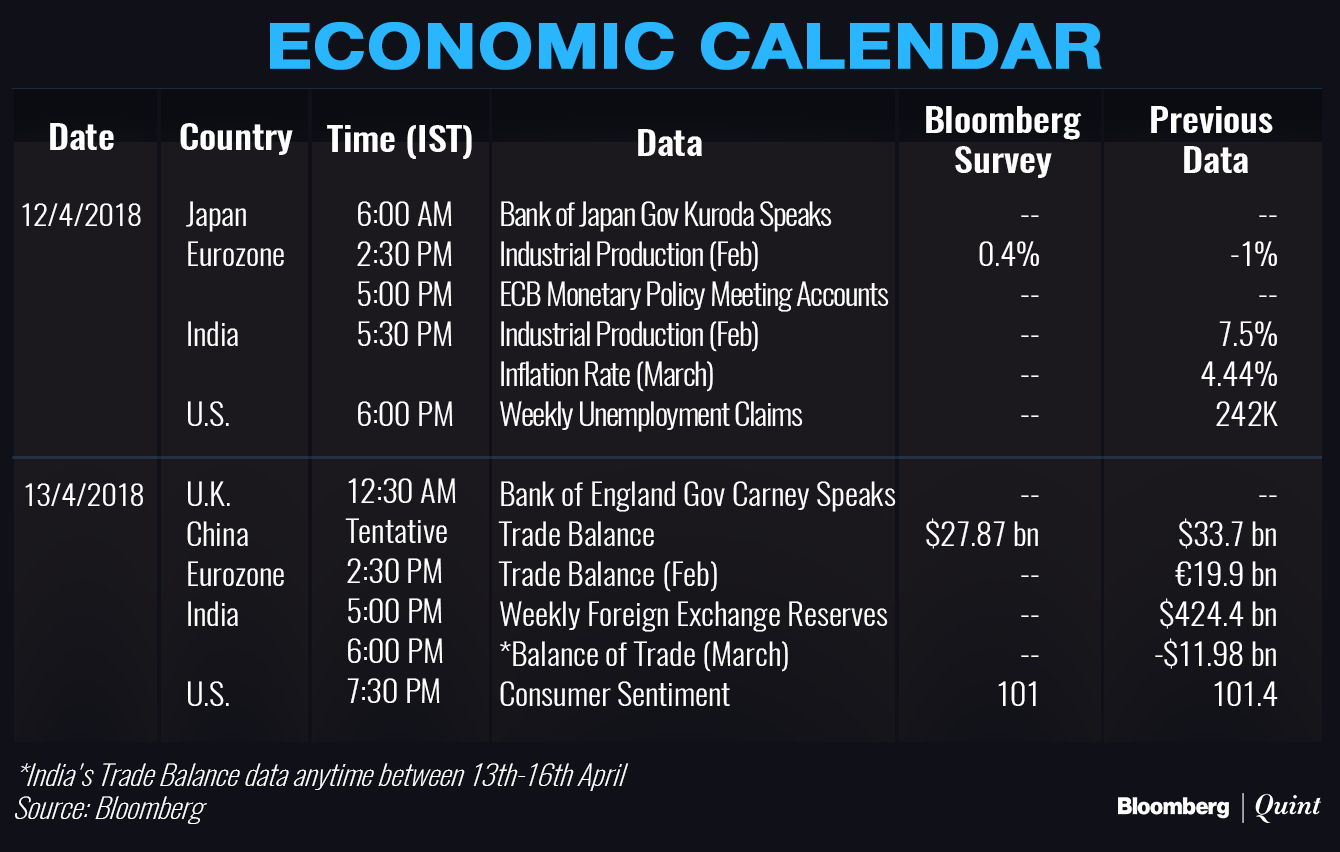
In the coming week, investors in India will keep an eye on inflation data along with trade balance figures for the month of March.
On the global front, U.S. inflation data and the minutes of the previous Fed meeting will be released next week.
The following events are seen as triggers for the currency markets:
Essential Business Intelligence, Sharp Market Insights, Practical Personal Finance Advice, Daily Fuel, Gold and Silver Prices and Latest Stories — On NDTV Profit.