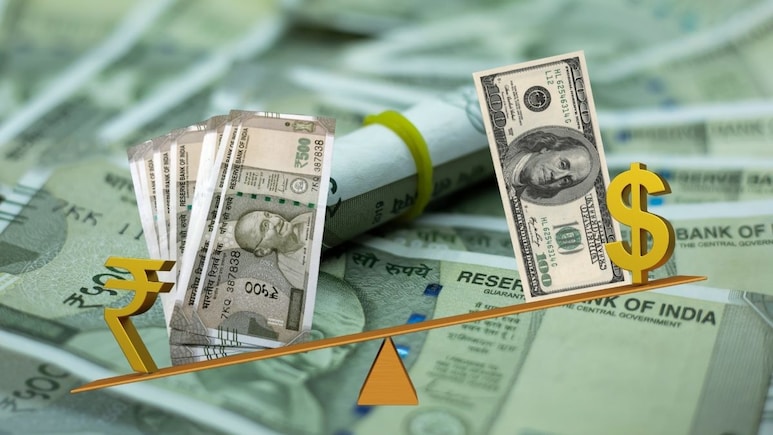
- The Indian rupee hit a record low of Rs 95.126 against the US dollar on April 30, 2026
- Rupee weakness follows hawkish US Federal Reserve comments and stronger US dollar and bond yields
- The rupee has depreciated 5.8% year-to-date, the worst performance among emerging Asian currencies
INR Vs USD Rate Today: The Indian rupee breached the Rs 95 per dollar-mark to hit a record-low on Thursday, April 30, 2026 as global crude oil prices rise amid the escalating US-Iran conflict. At the interbank foreign exchange market, the rupee opened at Rs 95.01 against the US dollar and hit an all-time low of Rs 95.20 against the US dollar in initial trade, registering a steep fall of 32 paise over its previous close. Dollar's safe-haven demand was boosted by a latest diplomatic setback between US and Tehran.
The current weakness in the Indian currency unit comes after hawkish comments by US Federal Reserve policymakers strengthened the American currency and US bond yields. Jerome Powell-led US central bank decided to maintain its status quo on benchmark interest rates in the latest Federal Reserve policy review meeting. The US dollar index, which gauges the greenback's strength against a basket of six currencies, was last trading 0.01% higher at 98.96.
FOLLOW LIVE UPDATES: Nifty At 23,800 Support , Sensex Down 1.3%; HUL, Bajaj Finance Shares Rise
Also Read | Layoffs Are Rising In Tech, But These Skills Are Helping People Unlock Better Pay
On Wednesday, the rupee depreciated 20 paise to close at an all-time low of Rs 94.88 against the US dollar. The local currency is on course to log its third consecutive weekly decline, having wiped out nearly all of the gains made earlier in the month following RBI's measures aimed at curbing excessive speculation. The local currency has weakened the 5.8% so far this year, the worst unit in emerging Asia.
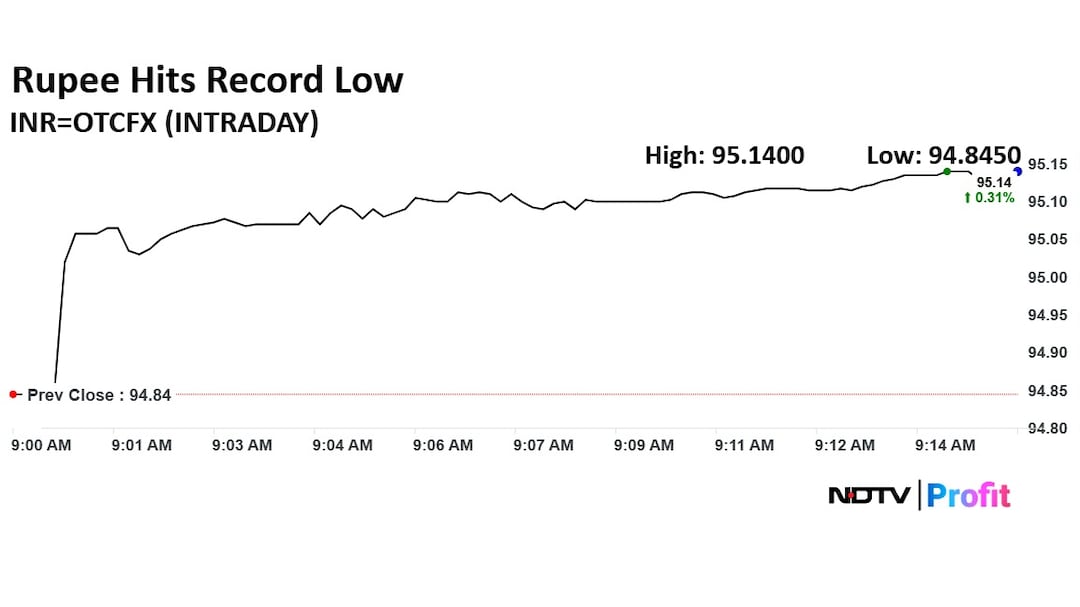
INR Vs USD Rate Today: Rupee breached the Rs 95-per dollar mark
Additionally, crude oil climbed from the highest close in almost four years as the US ramped up pressure on Iran, signaling no letup in its naval blockade and seeking the forfeiture of seized tankers linked to the Islamic Republic. Brent crude traded above $120 per barrel after jumping more than 6% to the highest level since June 2022 on Wednesday. West Texas Intermediate futures were above $107. The rally reflects concerns that supply disruptions could persist longer than initially expected.
US President Donald Trump told Axios he will not lift a naval blockade of Iran's ports until he secures a nuclear agreement with Tehran, while Iranian officials have shown no signs of backing down. The Strait of Hormuz has been effectively closed since the war started at the end of February, choking off flows of crude, natural gas and oil products, and driving up energy prices.
"The main effect on the rupee has been from the rising oil prices, which touched USD 120 per barrel and looked headed for further upside as the US continues with its blockade of Iranian ports, while Iran does not allow any ship/tanker to pass through the Strait of Hormuz," said Anil Kumar Bhansali, Head of Treasury and Executive Director Finrex Treasury Advisors LLP.
ALSO READ: Stock Market Crash: Nifty Down 1%, Sensex Sheds 900 Points Today - Three Reasons Why
Forex traders said the USD/INR pair may see further downside, as rising crude oil prices are likely to sharply impact India's import costs, while concerns over potential wider conflict in West Asia are fuelling investor anxiety. Surging oil prices and weakness in capital flows are contributing to a persistent bias towards rupee weakness, according to forex traders.
Offshore markets remain tilted towards positioning for further depreciation, while onshore moves are being driven largely by real dollar demand after the central bank's curbs on banks' positions dampened the speculative activity, a forex trader told news agency PTI. Concerns over persistent rupee weakness have also prompted India's state-run oil refiners to scale back the use of a special foreign exchange credit line introduced to reduce spot dollar purchases for oil imports.
Essential Business Intelligence, Sharp Market Insights, Practical Personal Finance Advice, Daily Fuel, Gold and Silver Prices and Latest Stories — On NDTV Profit.