- Indian pharma market grew 10.7% YoY in August 2026, driven by price and new launches
- Chronic therapies, vitamins, and gynecology fueled growth; acute categories showed muted gains
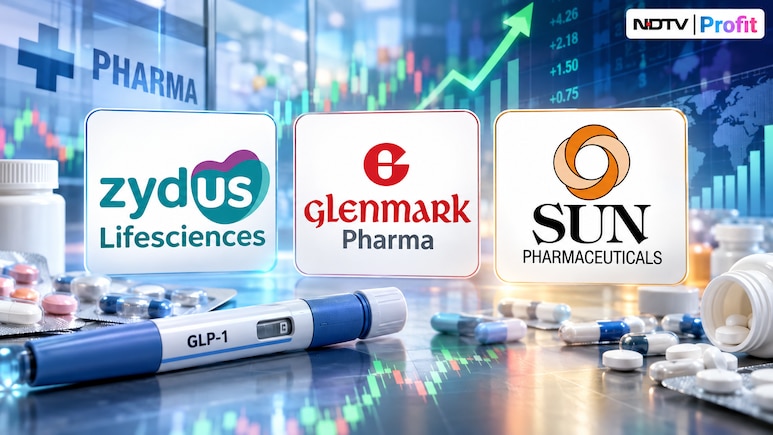
- Zydus Lifesciences and Glenmark led company performance with double-digit revenue increases
The Indian pharmaceuticals market (IPM) maintained its double-digit expansion path in August 2026, delivering a 10.7% year-on-year (YoY) revenue jump. The performance cements a sustained growth revival across the domestic formulation landscape following subdued demand throughout CY24 and CY25, according to a report by brokerage firm Nomura citing Pharmarack data.
Strong traction in chronic therapies, a low base effect, robust demand in vitamins and gynecology, and high-impact launches like GLP-1 treatments (which added 60 basis points to total market growth) underpinned the performance. The monthly expansion was largely anchored by steady price realizations and a steady flow of new launches, alongside a 1.1% uptick in volumes.
ALSO READ: Why Prashant Jain's 3P Investment Managers Bought 2.5% Stake In This Healthcare Firm
Also Read | Layoffs Are Rising In Tech, But These Skills Are Helping People Unlock Better Pay
Analysts at Nomura highlighted that while cyclical growth has recovered, structural challenges from trade generics and private-label formulations persist. However, large organized pharma companies are countering this through differentiated pipelines, in-licensing agreements, and brand scale, positioning them to continually outpace overall industry benchmarks.
Zydus, Glenmark Lead Company Performance
A majority of companies within Nomura's coverage universe outpaced the broader IPM in August. Zydus Lifesciences and Glenmark Pharmaceuticals posted the strongest YoY value expansion.
Among other major players:
Glenmark topped the Moving Annual Total (MAT) charts through August 2026 with a 14.9% YoY growth, followed closely by Torrent Pharmaceuticals (+14.8%) and Zydus (+14.1%).
IPCA Laboratories was the primary outlier among covered names, growing slightly below the broader market rate. While IPCA logged strong double-digit gains across its core cardiology and pain franchises, performance was weighed down by its anti-malarial and anti-infective portfolios.
Non-rated players such as Emcure Pharmaceuticals and Alembic Pharmaceuticals witnessed relatively softer domestic traction.
ALSO READ: Layoffs Are Rising In Tech, But These Skills Are Helping People Unlock Better Pay
Chronic Portfolios Spark Growth; Acute Stalls
Performance across therapy segments remained heavily tilted toward chronic and specialized care. Vitamins, Minerals, and Nutrients (VMNs), Cardiac, and Anti-Diabetes emerged as the fastest-growing major therapy baskets by value. Double-digit growth was logged across gastrointestinal, pain, neurology, dermatology, gynecology, and oncology. In contrast, acute categories such as anti-infectives and respiratory lagged with muted single-digit upticks, pressured by stagnant volume throughput.
Semaglutide Landscape: Generic Demand Climbs 2% Sequentially
Demand for semaglutide-spurred by the critical patent expiry on March 20, 2026-continued to scale. Combined sales of innovator and generic semaglutide grew 1% month-on-month (MoM) in August, while generics alone advanced 2% MoM.
An estimated 299,000 patients (+3% MoM) in India are now on generic semaglutide regimens. Injectables command approximately 80% of patient share, while oral solid formulations account for the remaining 20%-a dynamic noticeably higher than the US, where oral penetration remains sub-10%.
ALSO READ: Pearl Global Shares Surge 75%, But Can Premiumisation And Capacity Expansion Justify?
The competitive dynamics across generic delivery mechanisms show sharp fragmentation:
Pre-Filled Devices: Out of the 17 generic entrants, 15 market pre-filled pens. Sun Pharma retained clear market leadership in the format with a 21% market share in August. Eris Lifesciences scaled its share to 13% (up from 10% in July). Meanwhile, Hetero, serving as contract manufacturer for Dr. Reddy's Laboratories following earlier supply recalls, expanded its brand footprint to 6% from 3% in July.
Reusable Cartridges: Four players compete in this niche. Torrent Pharma took the pole position from Zydus with a 34% market share in August. However, Torrent relies on a licensing partnership with Zydus, making Zydus the dominant upstream manufacturer with a 20% total share of manufacturing volumes. Hetero's manufacturing share similarly spiked to 7% (up from 1% in July).
Oral Solids: Generic oral solid formulations fell 6% MoM in August, though injectable formats grew 4%. The oral segment is dominated by Torrent and Dr. Reddy's, with Torrent commanding an overwhelming 90% share of oral generic sales.
Essential Business Intelligence, Sharp Market Insights, Practical Personal Finance Advice, Daily Fuel, Gold and Silver Prices and Latest Stories — On NDTV Profit.