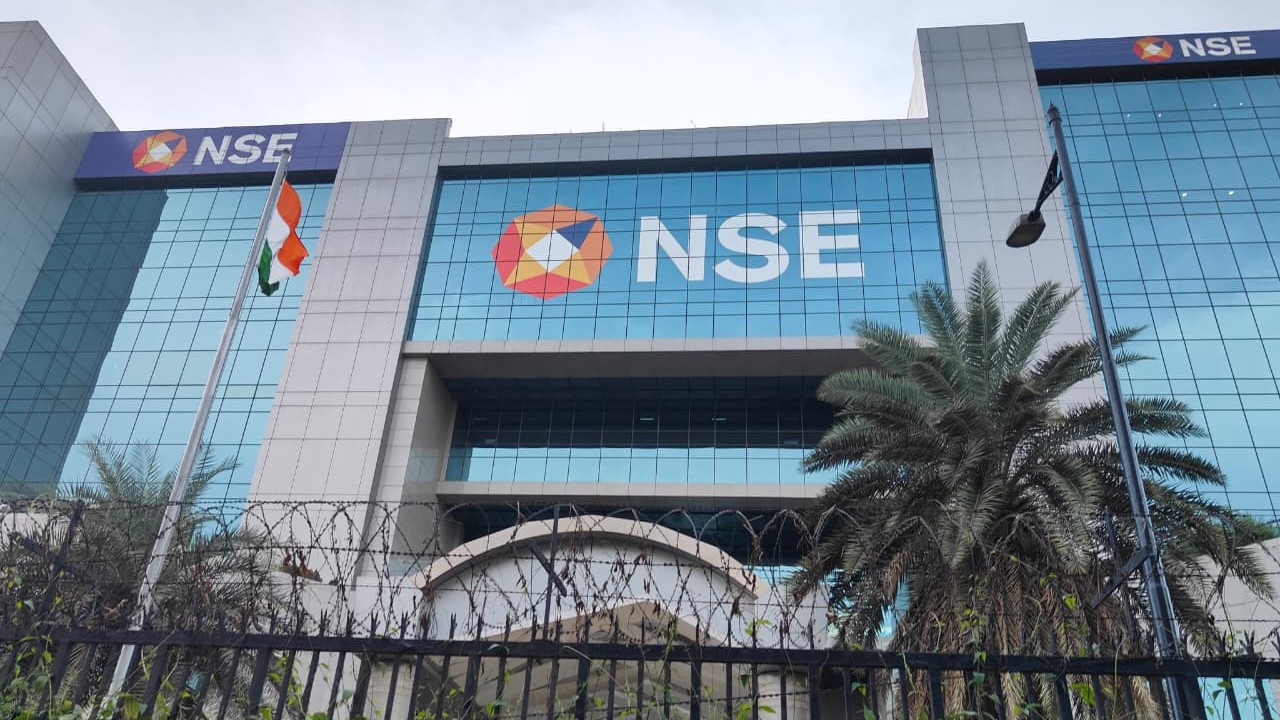
The National Stock Exchange on Thursday announced the inclusion of four new securities into the futures & options segment, with effect from Dec. 31, 2025.
Bajaj Holdings and Investment Ltd., Waaree Energies Ltd., Premier Energies Ltd., and Swiggy Ltd. will be open for trading in the derivatives market.
Waaree Energies, Premier Energies, and Swiggy are part of the Nifty MidCap 150 index. Bajaj Holdings is part of the large-cap Nifty 100 gauge.
The market lot and scheme of strikes of these securities will be informed to members on Dec. 30, according to a circular issued by the NSE. The details of the applicable quantity freeze will be available in the contract file, which will be applicable for trading from Dec. 31.
In August last year, the Securities and Exchange Board of India came up with several changes to its criteria for the inclusion and removal of stocks from the derivatives segment.
Under the revised rules, the median quarter sigma order size for stocks has been increased from Rs 25 lakh to Rs 75 lakh. MQSOS, a metric that measures a stock's liquidity, now requires a higher threshold, making it more difficult for stocks to be manipulated.
Additionally, the minimum market-wide position limit has been tripled from Rs 500 crore to Rs 1,500 crore, and the minimum average daily delivery value has been raised 3.5 times from Rs 10 crore to Rs 35 crore.
Stocks that meet these revised criteria based on their performance in the cash market over a rolling six-month period will be eligible for entry into the derivatives segment. Conversely, stocks that fail to meet the criteria for three consecutive months will be removed from the derivatives segment, although existing contracts will remain valid until their expiry.
Once a stock is removed from the derivatives segment, it cannot be reintroduced for a year from the date it was last traded in this segment.
Equity Vs Expectations: Why Market Veterans Say Investors Should Look Beyond One-Year ReturnsEssential Business Intelligence, Continuous LIVE TV, Sharp Market Insights, Practical Personal Finance Advice and Latest Stories — On NDTV Profit.