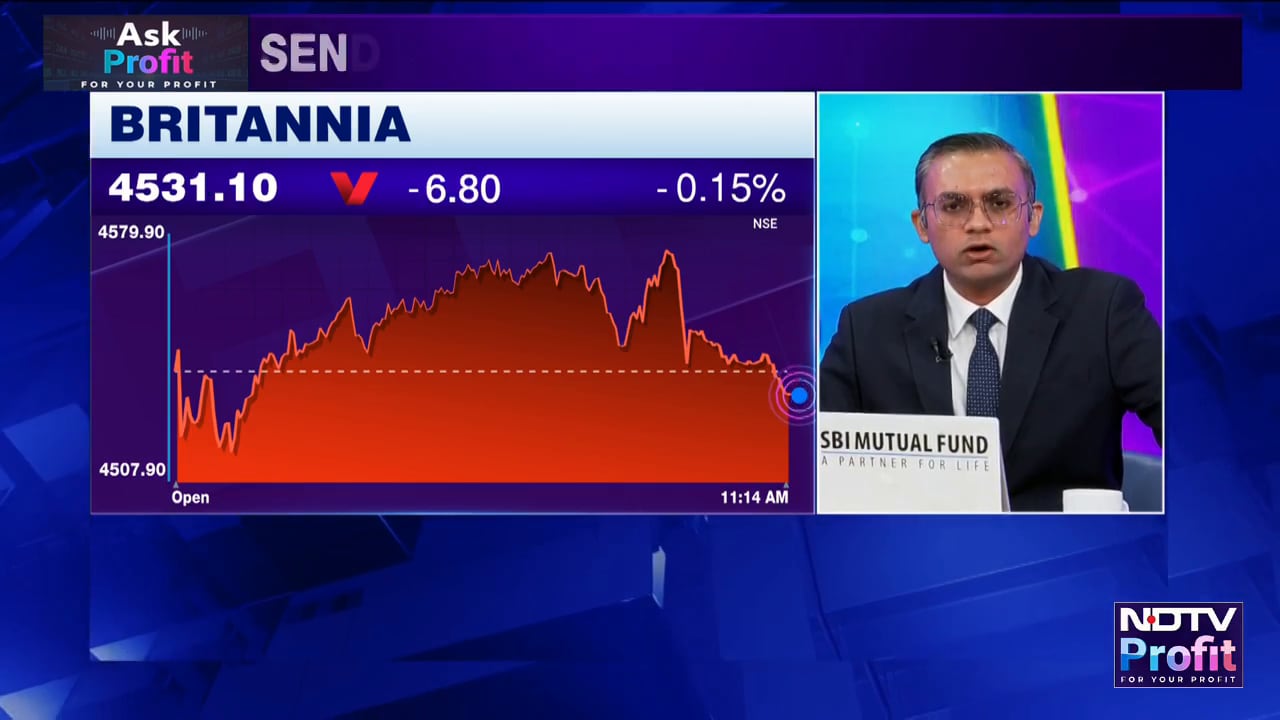
Consumer goods companies are likely to face increasing margin pressure in the second half of fiscal 2027 as rising commodity prices push up input costs, even as demand and volume growth remain resilient, market experts told NDTV Profit.
While companies such as Tata Consumer Products and Nestlé India have reported strong volume growth, analysts cautioned that further price increases could affect demand in the coming quarters. The pressure is also extending to the automobile sector, where higher costs of steel, aluminium, and plastics are creating uncertainty over margins.
FMCG Margins May Come Under Pressure
Also Read | Layoffs Are Rising In Tech, But These Skills Are Helping People Unlock Better Pay
Sandeep Abhang of LKP Securities said leading consumer goods companies have reported strong volume growth, with Tata Consumer Products and Nestlé India recording double-digit growth in the September quarter.
“This volume growth is going to largely continue in the next few quarters,” Abhang told NDTV Profit. However, he said rising input costs remain a key concern for the sector.
Tata Consumer Products has already taken price hikes of around 8% to 10% in tea, with further increases likely to offset higher commodity costs, Abhang said. He expects the impact on operating margins to become more visible from the December and March quarters.
The pressure comes as crude oil-related cost increases affect several raw materials. Abhang said the Nifty FMCG index has declined around 20%, reflecting concerns over the outlook for consumer goods companies.
He also expects personal care and home care companies to face greater pressure than food and staples businesses, given their exposure to crude oil derivatives. Hindustan Unilever, Jyothy Labs, and Godrej Consumer Products are among the companies he considers more vulnerable.
Abhang said investors should focus on businesses delivering double-digit volume growth while facing relatively lower margin pressure. He highlighted B2B companies such as CCL Products and Manorama Industries as areas of interest.
Auto Companies Face Higher Input Costs
Dhruv Joshi, research analyst at Mirae Asset Sharekhan, said the impact of higher commodity prices could become more pronounced over the next few quarters.
“What seems to be so unprecedented is the hike in the raw material prices,” Joshi told NDTV Profit, pointing to increases across plastics and other key inputs.
He warned that the delayed impact of rising costs could lead to another quarter of uncertainty and margin pressure across sectors.
In the automobile space, Sona BLW Precision Forgings has reported strong growth in electric vehicle-related business, but higher aluminium prices could weigh on profitability. Ather Energy has also flagged an unprecedented increase in raw material costs, while seeking to avoid further price hikes that could affect demand.
Joshi said the commercial vehicle segment has remained relatively resilient, supported by infrastructure spending, industrial activity, and demand for light commercial vehicles used in last-mile connectivity.
However, weakening rural demand, slower tractor sales, and pressure on two-wheelers remain concerns. He said the commercial vehicle segment's near-term resilience would depend on continued infrastructure and industrial growth.
El Niño effect is beginning to weigh on rural demand, with the commuter motorcycle segment and tractor sales showing signs of weakness. “We've seen maybe say Hero, its core segment, the commuter segment is taking a bit of a hit. Tractors have shown a bit of a slowdown,” Joshi told NDTV Profit.
Also Read: HSBC Sees FMCG's GST Cut-Led Growth Losing Steam As El Nino Impact, Commodity Inflation Remain Risks
Essential Business Intelligence, Sharp Market Insights, Practical Personal Finance Advice, Daily Fuel, Gold and Silver Prices and Latest Stories — On NDTV Profit.