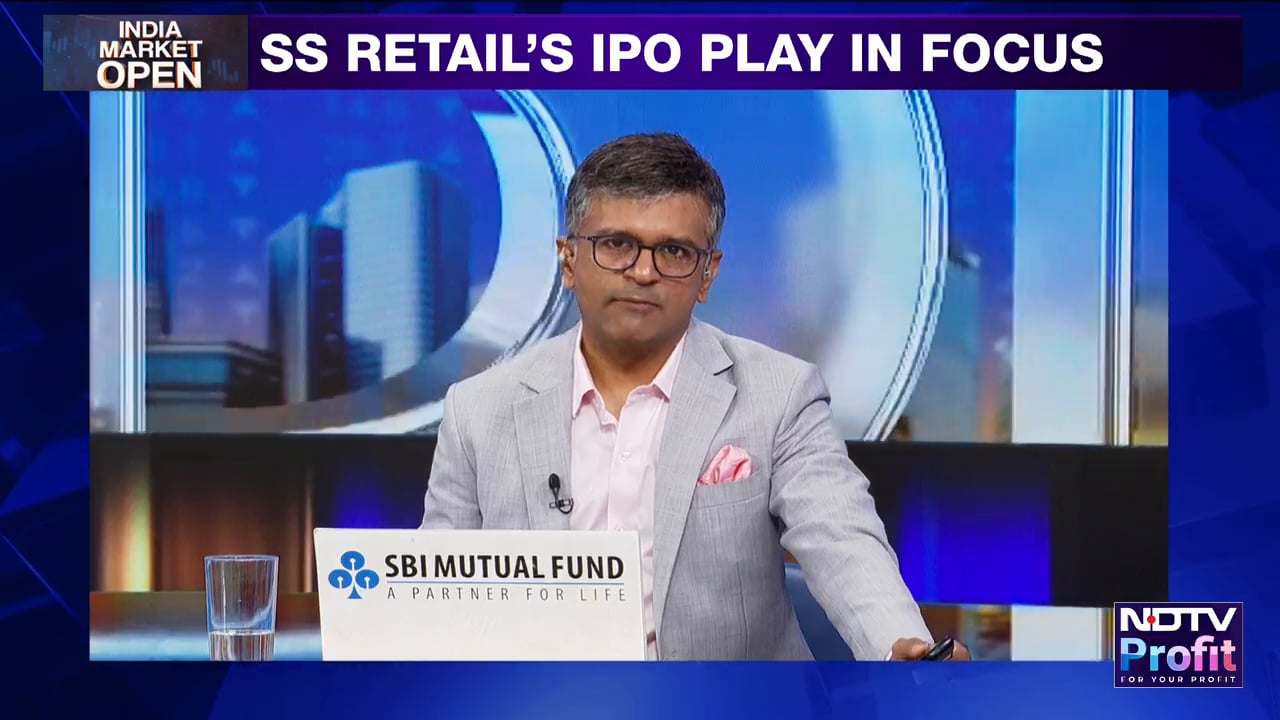
Even as markets attempt a short-term recovery, Prateek Parekh, Equity Strategist at Nuvama Group, is urging caution, warning that after AI, tariff and wars the global economy may be heading towards its next major disruption, a demand shock.
In a year marked by what he describes as “once-in-a-century shocks”, Parekh points to three key triggers: tariffs, rapid advancements in artificial intelligence, and the latest geopolitical oil shock. “Typically, one gets a six-sigma shock once in a lifetime. Last year, we had three,” he told NDTV Profit, highlighting the scale of disruption.
According to Parekh, the biggest risk now lies in demand, particularly from the US. A weakening labour market, high mortgage rates, tariff pressures and rising oil prices are all weighing on consumption. A key area of concern is the $2 trillion US private credit market, which has been a major lender post-pandemic. Any liquidity stress here could have broader spillover effects on growth.
Also Read | Layoffs Are Rising In Tech, But These Skills Are Helping People Unlock Better Pay
The report also draws parallels between the current AI cycle and the dot-com era, suggesting that high valuations combined with rapid adoption could reverse if growth slows or liquidity tightens.
On India, Parekh believes valuations remain elevated despite the recent correction. While pockets such as private banks, insurance and IT are becoming more attractive, the broader market still lacks valuation comfort.
ALSO READ: Nuvama Maintains 'Buy' On PG Electroplast But Cuts Target Price; Here's Why
Nuvama's analysis shows that around 35% of the BSE500 is facing structural or sector-specific challenges across areas like IT, FMCG, retail and NBFCs. At the same time, nearly 40% of the index comprises expensive cyclicals such as autos, metals and industrials, which remain vulnerable to macroeconomic shocks.
Earnings expectations also appear optimistic, with fiscal 2027 growth for the BSE500 estimated at 19%, leaving limited room for disappointment amid global uncertainty.
Given this backdrop, Parekh advises investors to avoid chasing growth and instead focus on valuation discipline and resilience. The brokerage has increased exposure to private banks and IT, while maintaining a preference for sectors such as insurance, consumer and pharma.
Conversely, it remains underweight on expensive cyclicals including autos, power, PSU banks and NBFCs, and has downgraded metals due to stretched valuations.
Watch Full Video:
Essential Business Intelligence, Sharp Market Insights, Practical Personal Finance Advice, Daily Fuel, Gold and Silver Prices and Latest Stories — On NDTV Profit.