In one of Mumbai's most exclusive neighbourhoods, a family home bought nearly four decades ago offers a window into Malabar Hill's past and the uncertainty surrounding its future.
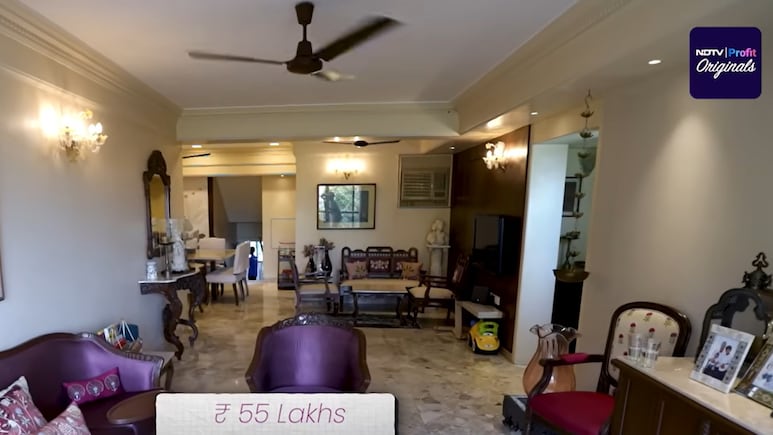
In Episode 3 of NDTV Profit's The Habitat, Vishal Bhargava visits Anish's 1,800-square-foot apartment overlooking Marine Drive. His family purchased it in 1989 for Rs 55 lakh, or about Rs 3,000 per square foot. Anish estimates homes in the area now command an average of around Rs 1 lakh per square foot. "I'm just very fortunate that my dad invested back in the day," he says. "Right now, prices have just gone crazy in this area."
For Anish, however, the address is worth more than its market price. His parents moved into the apartment a year before he was born, and Malabar Hill has remained the centre of his life. "I can't imagine living anywhere else," he says. "I hope I never have to live anywhere else."
Also Read | Layoffs Are Rising In Tech, But These Skills Are Helping People Unlock Better Pay
The neighbourhood's greenery, limited traffic and predominantly residential character distinguish it from much of Mumbai. Birds, parrots, peacocks and even monkeys can be spotted in the area. Returning home to the sea view after a congested working day brings "a sense of calm", Anish says.
The apartment also reflects the family's history. Its original flooring remains intact, while paintings inherited from Anish's maternal great-grandfather have been restored and preserved. His son now occupies the room that Anish once shared with his sisters.
Outside, however, the skyline is changing. High-rise developments have begun obstructing vistas that residents once considered permanent. "There's nothing like a promised sea view," Anish says. "It all goes down the drain in a few years."
Redevelopment discussions are now under way in almost every second building on his road. The attraction is understandable: older properties lack modern amenities, while their parking spaces were designed for much smaller cars.
Anish nevertheless remains sceptical. Towers may rise to 50 storeys, but roads, sewage lines and other civic infrastructure remain unchanged. Monthly maintenance costs may also increase sharply after redevelopment.
He advises homeowners to consult several lawyers before accepting a proposal. “For most people who have ownership flats, it's literally their whole life's income,” he says. “You have to look at every single factor.”
Malabar Hill has drawbacks, including few restaurants and neighbourhood markets. Yet Anish believes its identity will endure. "Malabar Hill will always remain Malabar Hill," he says. "It will still always have its charm. Nothing will ever change that."
Watch full video here:
Essential Business Intelligence, Sharp Market Insights, Practical Personal Finance Advice, Daily Fuel, Gold and Silver Prices and Latest Stories — On NDTV Profit.