Alarming signs greeted motorists at some service stations in the southeast of India on Sunday: No petrol, no diesel.
As word spread, residents swarmed outlets that were still supplying fuel and queues spilled out onto the roads. Authorities in the states of Andhra Pradesh and Telangana were forced to intervene, explaining to people that the shortages were caused by local transport delays.
The fear that the pumps would run dry was exacerbated by widespread expectations that fuel retailers will soon raise diesel and gasoline prices for the first time in four years. Authorities have until now been shielding consumers from the surge in oil caused by the Iran war, but many observers expect them to pull the trigger shortly after the conclusion of regional elections this week.
Also Read | Layoffs Are Rising In Tech, But These Skills Are Helping People Unlock Better Pay
Oil marketing companies have already taken away the discounts they give to bulk buyers, effectively raising prices, and have also been rationing supplies, causing longer turnaround times for vehicles.
India isn't considering any proposal to increase retail fuel prices, Sujata Sharma, a joint secretary in the federal oil ministry, told reporters on Tuesday.
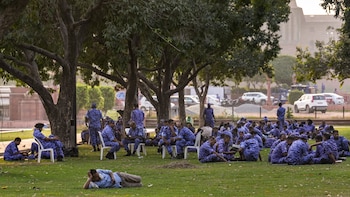
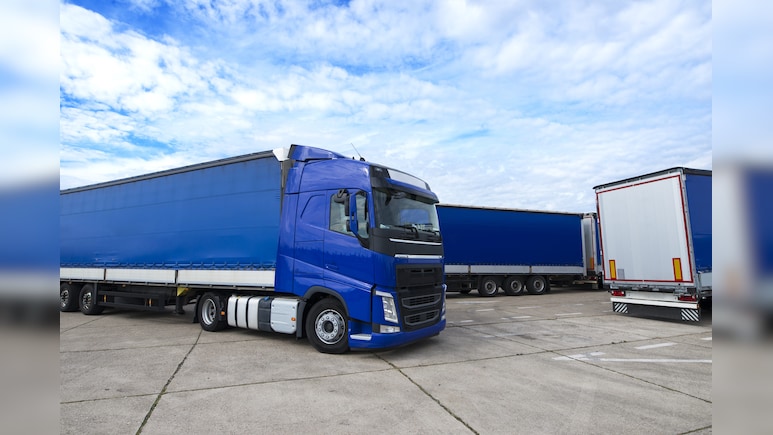
Increases in gasoline will hit motorists and stoke inflation, while more expensive diesel is set to reverberate across industries like agriculture, transport and mining. Among the worst-hit sectors would be trucking, which carries nearly 70% of India's freight and is already reeling from fuel shortages and a loss of business caused by the war.
Any increase in retail prices will be a fresh blow, said Sukhwinder Singh Sandhu, who runs a company in Mumbai that transports petroleum fuels on roads and is a member of industry lobby group, the All India Motor Transport Congress.
“Everything is going to get more expensive, from clothes to vegetables,” he said. His business in April had been just 20% of the usual levels, Sandhu said. “If prices are raised, it'll come to a complete halt.”
India's government maintains effective control of prices at the pump via its ownership of the biggest fuel retailers and its setting of excise taxes. When crude prices rise, authorities reduce the duties, and when oil goes down the levies are raised, shielding consumers from international price movements.
That system has come under increasing strain as oil prices have jumped since the outbreak of the war, with much of the costs being absorbed by Indian refiners. The pressure on the firms, many of which are state-owned, is now getting to be too much.
Standard Chartered Plc estimates the government will need to put gasoline and diesel prices up by 8 to 15 rupees ($0.08 to $0.16) a liter if Brent crude averages $95 a barrel this fiscal year. The global benchmark has averaged about $100 since the outbreak of hostilities at the end of February.
“I'm expecting prices to be raised in two to three phases to compensate for the entire loss refiners are making,” said V. Suresh, who runs a trucking fleet that carries last-mile coal, bauxite and alumina to local industries in Visakhapatnam, a port city in Andhra Pradesh.
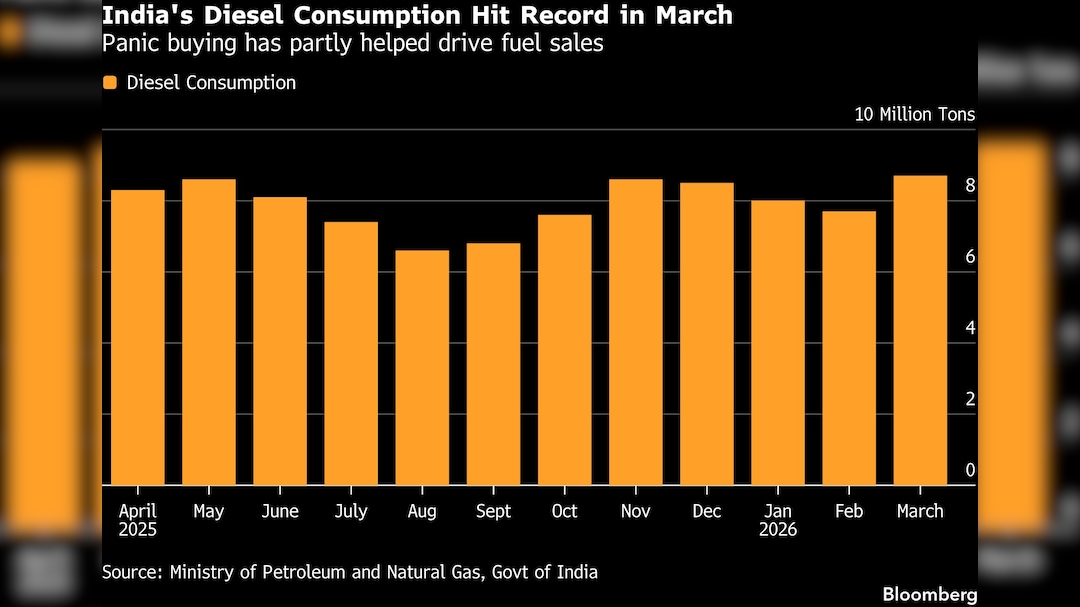
Photo Credit: Bloomberg
Among people crowding the pumps of Andhra Pradesh and Telangana were also farmers, who fear they could run out of diesel during harvest season, according to Vinod Vishwanath, general secretary at the Telangana Petroleum Dealers Association.
“The supplies have thinned and there is no clarity when the stocks will be replenished,” he said.
Miners are also major users of diesel, while the workhorse fuel is also commonly used as a backup to produce electricity. Price rises would make it more expensive to run back-up generators during blackouts, potentially causing higher power bills.
India's diesel consumption jumped 8% year-on-year to a record in March, official data show. The scramble to buy the fuel and the anxiety around higher prices has led to the government trying to calm consumer fears.
“We have sufficient stock and sometimes because of panic buying there is an issue,” oil ministry's Sharma told reporters on Monday. “But that is taken up on priority and resolved, and we don't foresee any situation where we have to import gasoline or diesel.”
(This story has not been edited by NDTV staff and is auto-generated from a syndicated feed.)
Essential Business Intelligence, Sharp Market Insights, Practical Personal Finance Advice, Daily Fuel, Gold and Silver Prices and Latest Stories — On NDTV Profit.