The Delhi government has drawn up a winter anti-pollution plan months before the season begins, with a set of restrictions and enforcement measures that could come into force between November and February, sources told NDTV.
The framework is expected to be in force every year from Nov. 1 to Feb. 28 and will operate alongside the Graded Response Action Plan, or GRAP, which is invoked in the National Capital Region depending on air quality levels.
One of the key measures under consideration is a restriction on refuelling vehicles that do not have a valid Pollution Under Control certificate. Vehicles without a valid PUC certificate may not be allowed to buy fuel at petrol pumps in Delhi, sources told NDTV.
Also Read | Layoffs Are Rising In Tech, But These Skills Are Helping People Unlock Better Pay
ALSO READ: Ashok Leyland, EV Arm Switch Mobility Offers 8% Discount To Replace Old Vehicles In Delhi-NCR
The government is also considering barring non-BS-VI commercial vehicles registered outside Delhi from entering the capital between November 1 and January 31. The restriction is likely to exempt CNG and electric vehicles, as well as emergency and government vehicles.
Parking charges at authorised parking lots may also be doubled during the winter pollution period, in a move aimed at discouraging private vehicle use and reducing congestion-related emissions.
The plan also provides for traffic-reduction steps such as staggered office timings and a possible shift to 50% work-from-home arrangements in government and private offices. These measures may be triggered during the winter months, when Delhi's air quality typically worsens due to low wind speed, temperature inversion and local emissions.
Construction and demolition activity will face stricter dust-control norms during the period. Additional curbs on construction may be imposed between December 10 and January 20, when pollution levels usually peak, according to NDTV.
Large construction sites and commercial high-rises may be required to install anti-smog guns and mist suppression systems. Vehicles carrying construction material could also face movement restrictions during episodes of high pollution.
Resident welfare associations, institutions and contractors will be required to prevent open burning of garbage, leaves and other waste. The government is expected to use drone surveillance and field inspections to monitor violations.
Environmental penalties and other legal action may be taken against violators.
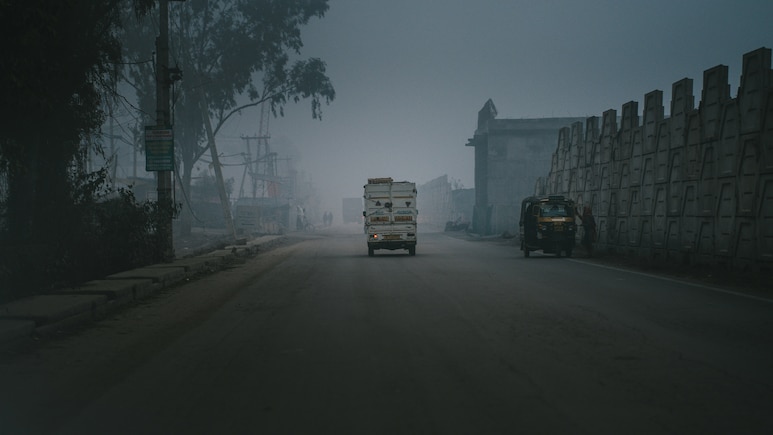
Delhi and the wider NCR region see a sharp deterioration in air quality every winter, prompting emergency measures such as construction bans, restrictions on diesel generators, curbs on polluting vehicles and work-from-home advisories under GRAP.
The proposed plan is aimed at making winter pollution-control measures more predictable and pre-emptive, rather than relying only on emergency restrictions after air quality worsens.
Essential Business Intelligence, Sharp Market Insights, Practical Personal Finance Advice, Daily Fuel, Gold and Silver Prices and Latest Stories — On NDTV Profit.