- Coal India is absorbing rising input costs to avoid increasing coal prices for consumers
- Explosives and diesel costs rose sharply, with ammonium nitrate up 44% and diesel 54%
- The company compensates mine contractors for higher diesel expenses amid cost surges
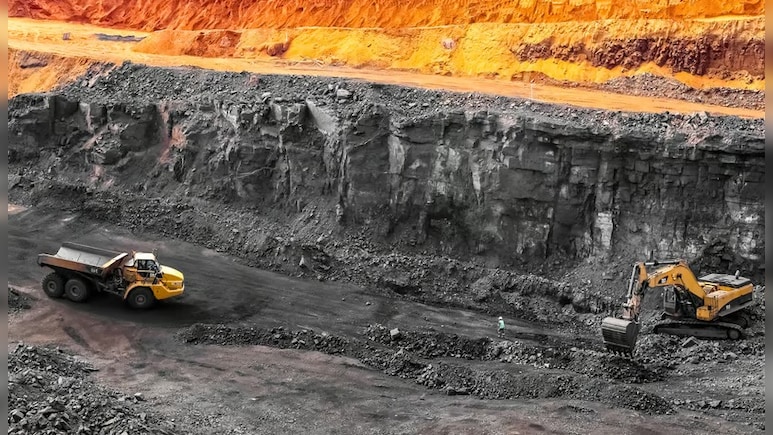
State-owned Coal India Ltd. is absorbing rising input costs to protect consumers from higher coal prices, even as expenses for key inputs, such as explosives and industrial diesel, have surged sharply following the West Asia conflict.
The company said it has chosen not to pass on the increase, warning that doing so could trigger a cascading impact across sectors reliant on coal.
It is also compensating contractors operating in its mines for higher diesel costs.
Also Read | Layoffs Are Rising In Tech, But These Skills Are Helping People Unlock Better Pay
Prices of ammonium nitrate - a key component accounting for about 60% of explosives used in opencast mining - have risen 44% to Rs 72,750 per tonne as of April 1 from pre-war levels. This has pushed up the average cost of explosives by around 26% to nearly Rs 49,800 per tonne by end-March.
Coal India's subsidiaries consume about 0.9 million tonnes of explosives annually. This entire cost is being absorbed by Coal India, the company said.
Diesel prices have also surged, rising roughly 54% to Rs 142 per litre from around Rs 92 in mid-March. The company consumed about 4,19,000 kilolitres of diesel in the fiscal year ended March 2026.
Despite the cost pressures, Coal India has taken steps to keep supplies affordable, including lowering reserve prices in select e-auctions, increasing auction frequency and offering higher volumes to the market.
The measures are aimed at cushioning downstream industries and consumers from escalating energy costs, as the company seeks to maintain stable coal prices amid broader volatility in fuel markets.
Officials said any pass-through of the mounting prices would lead to a cascading effect.
ALSO READ: Shell Steps Up LNG Supplies To India, Wins Major Fertiliser Tenders After Gulf Disruptions
The company is also compensating for the increased price of the industrial diesel to the contractors operating in Coal India's mines, who purchase it in bulk quantities.
Prior to the West Asian crisis, ammonia nitrate (AN) prices applicable to Coal India held steady from August 2025 till January 2026 before touching Rs 50,500 per metric tonne as of March 1, 2026, and since then have taken an upward route.
This sharp increase in the price of AN had a direct bearing on the cost of explosives that Coal India uses in large quantities in blasting operations to uncover overburden and expose coal seams. As a result, the average cost of explosives shot up by around 26% from Rs 39,588 per metric tonne in February 2026 to Rs 49,783 per metric tonne by March end, it said.
In the just-ended 2025-26 fiscal, the consumption of diesel was around 4.19 lakh kilolitres (KL). One KL is equivalent to 1,000 litres.
At a time when the energy prices are surging ahead, apart from absorbing the price shocks, some of Coal India's subsidiaries have reduced the reserve price of coal in Single Window Mode Agnostic e-auction, officials said, adding that the company has also increased the frequency of auctions and the quantum of coal to be put under the auction.
ALSO READ: India-UK Free Trade Pact May Come Into Force From Second Week Of May: Official
Coal India intends to supply the dry fuel at an affordable price to the country's citizens to cap the consequent costs.
(This story has not been edited by NDTV staff and is auto-generated from a syndicated feed.)
Essential Business Intelligence, Sharp Market Insights, Practical Personal Finance Advice, Daily Fuel, Gold and Silver Prices and Latest Stories — On NDTV Profit.