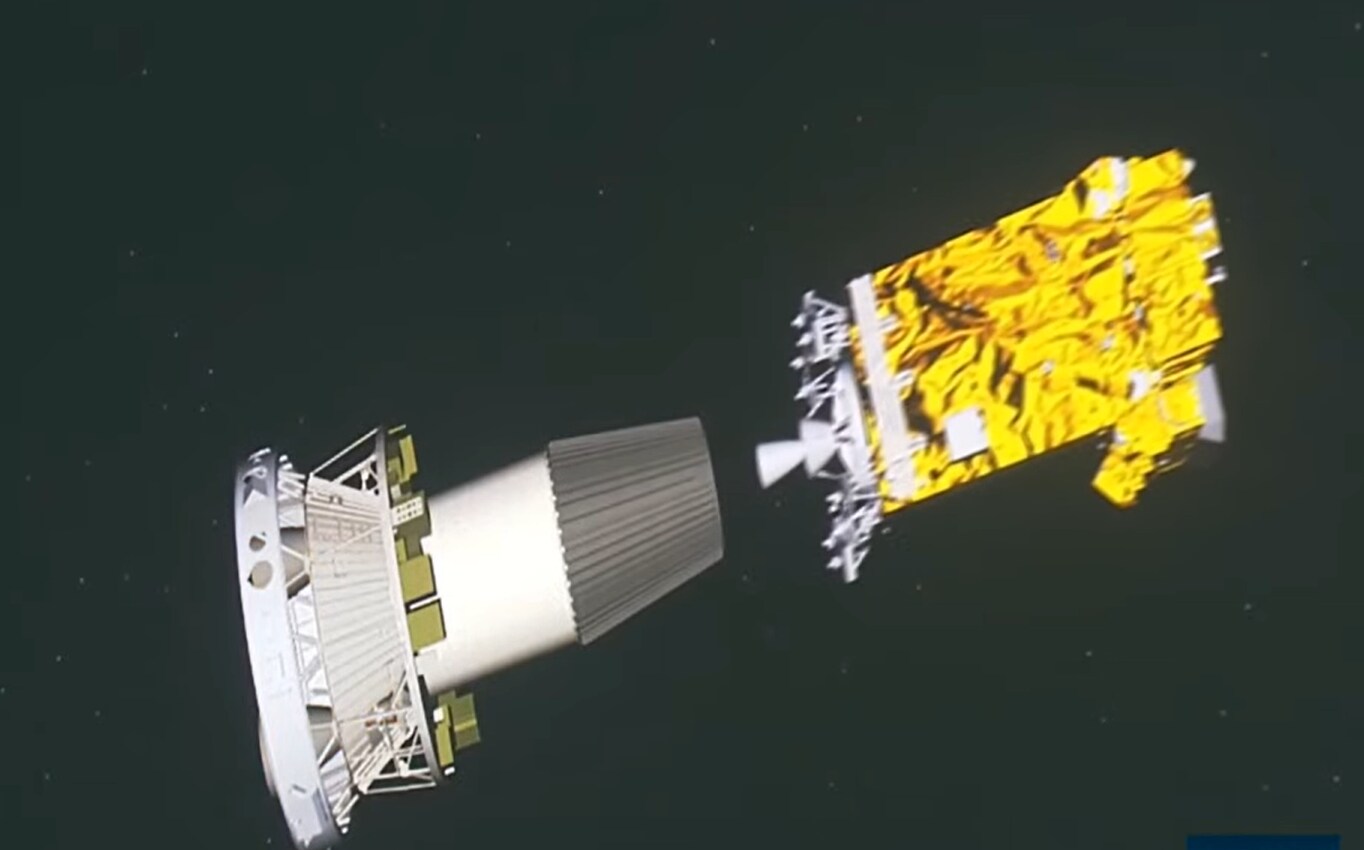
The launch of Aditya-L1, India's first solar mission, is a landmark achievement that takes India’s indigenous space programme to a new trajectory. It will help us better understand space and celestial phenomena. I congratulate the scientists and engineers at @isro for this…
— President of India (@rashtrapatibhvn) September 2, 2023
Aditya-L1 started generating the power.
— ISRO (@isro) September 2, 2023
The solar panels are deployed.
The first EarthBound firing to raise the orbit is scheduled for September 3, 2023, around 11:45 Hrs. IST pic.twitter.com/AObqoCUE8I
PSLV-C57/Aditya-L1 Mission:
— ISRO (@isro) September 2, 2023
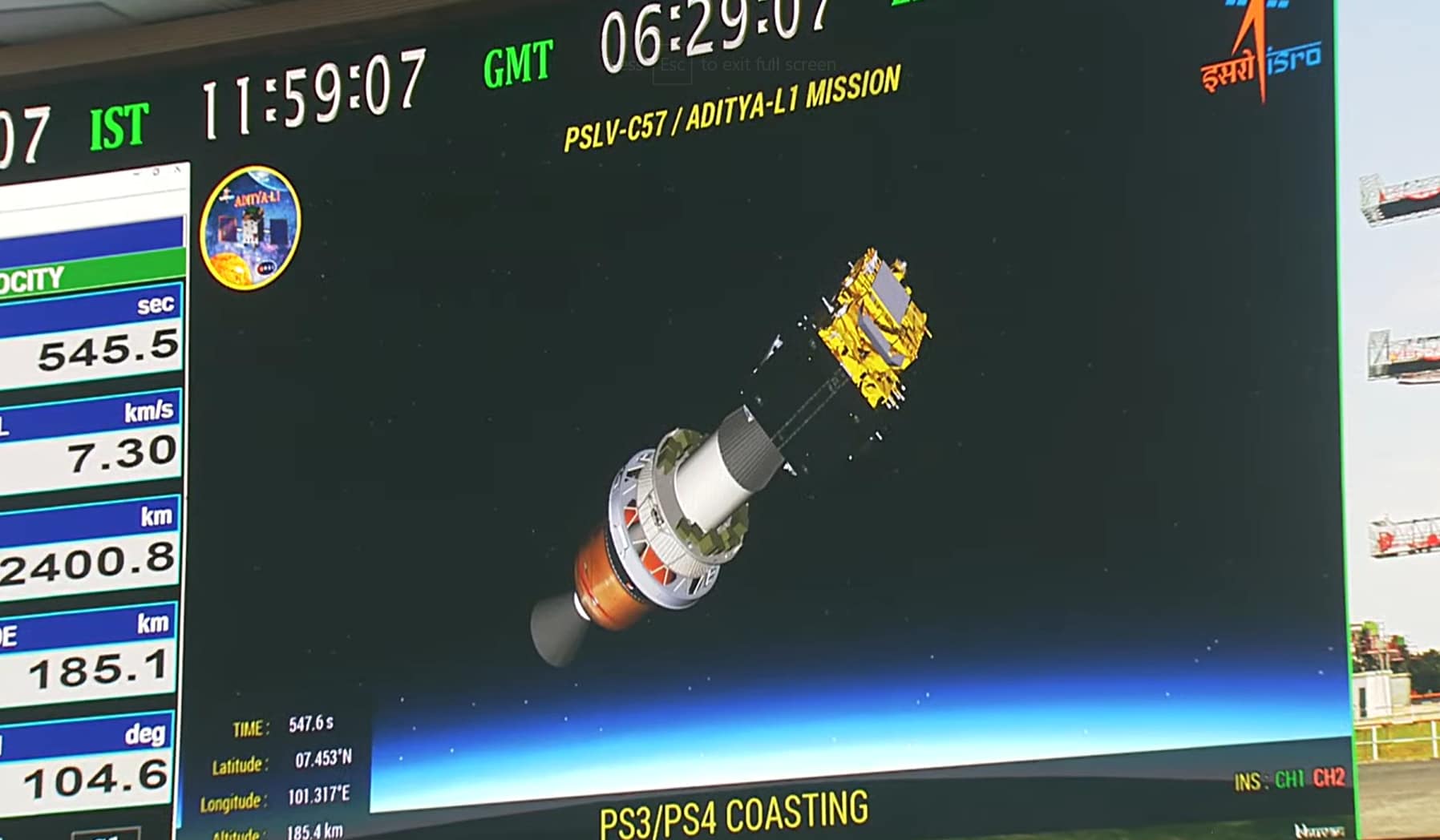
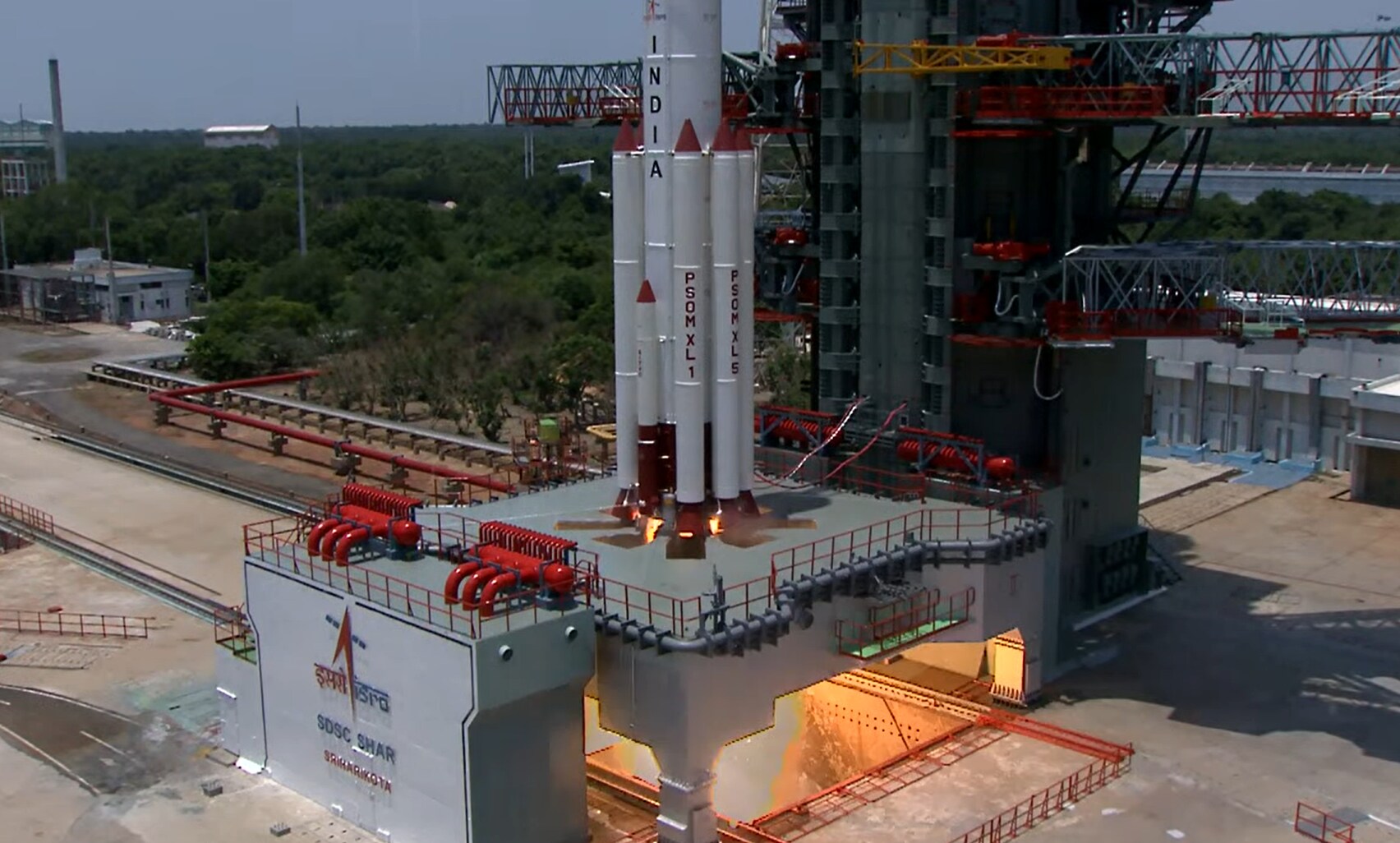
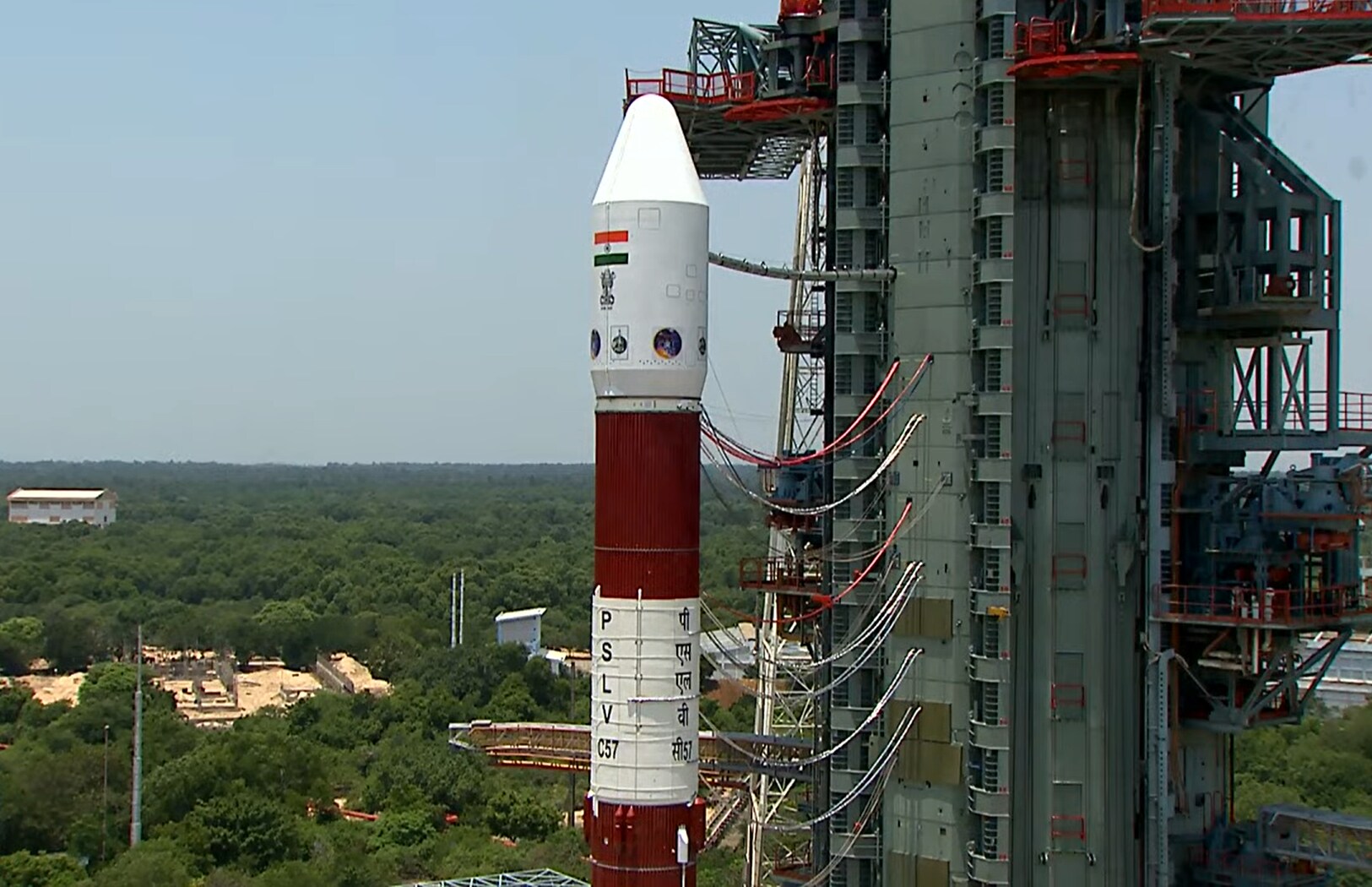
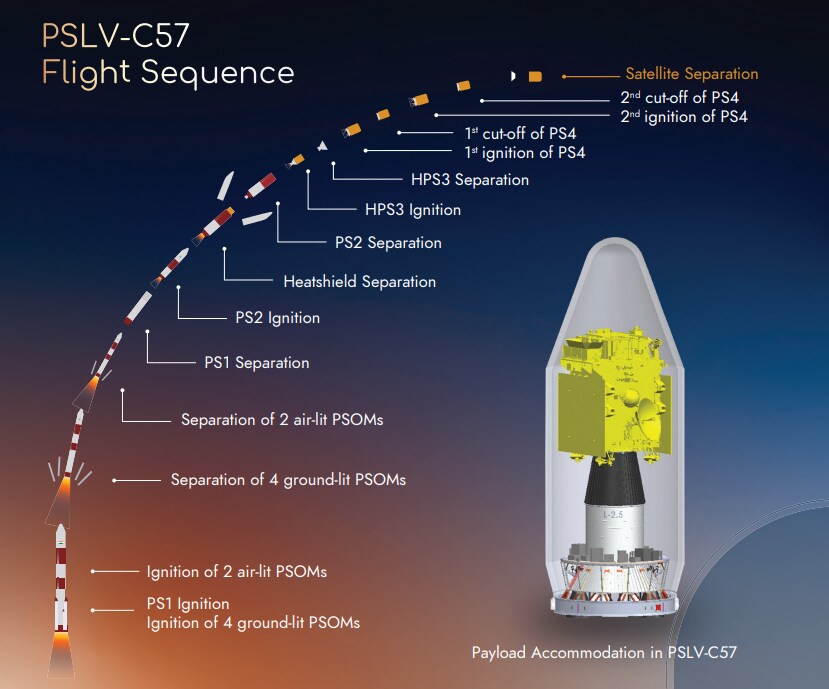
The launch of Aditya-L1 by PSLV-C57 is accomplished successfully.
The vehicle has placed the satellite precisely into its intended orbit.
India’s first solar observatory has begun its journey to the destination of Sun-Earth L1 point.
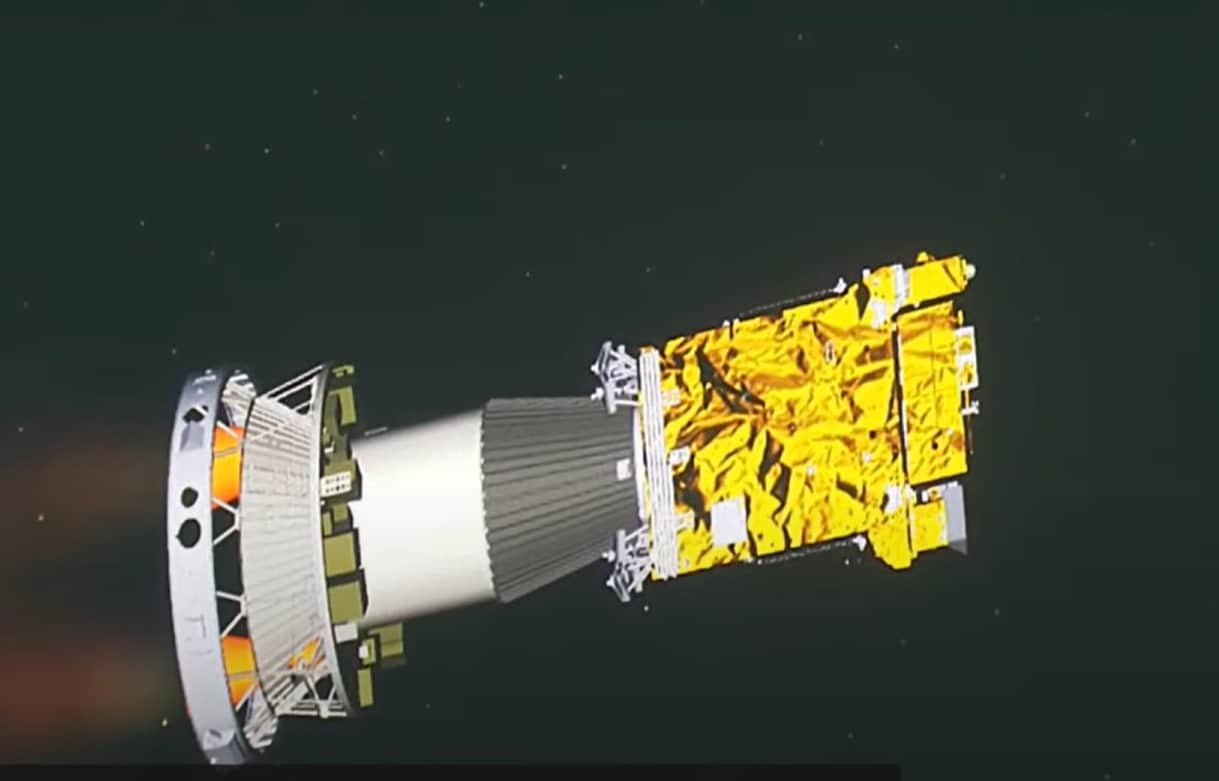
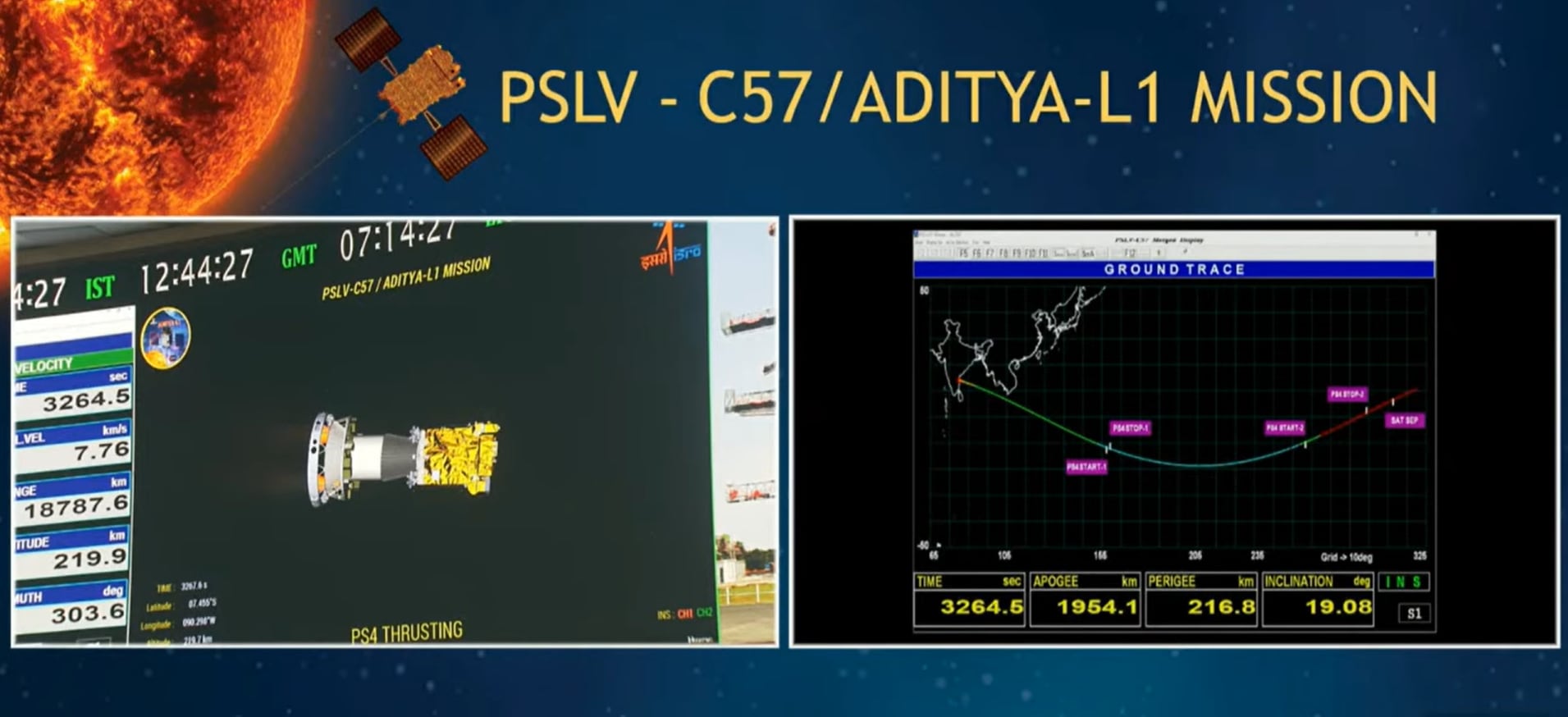
#AdityaL1Launch: #ISRO successfully launches India's first solar mission in latest milestone. @ISRO
— BQ Prime (@bqprime) September 2, 2023
Read: https://t.co/lBiyQLaOt9 pic.twitter.com/Agmm4p3B6P
????☀️???? https://t.co/6QanZGJ95Q
— ESA (@esa) September 2, 2023

The Visible Emission Line Coronagraph (VELC), the primary payload of Aditya L1 will be sending 1,440 images per day to the ground station for analysis on reaching the intended orbit, according to its key scientist.
"From the continuum channel, which is the imaging channel, an image will come -- one image per minute. So approximately 1,440 images for 24 hours, we will be receiving at the ground station," Aditya L1 Project Scientist and Operation Manager for VELC Dr Muthu Priyal said, reported PTI.
IIA will host the VELC Payload Operations Centre (POC), which will receive raw data from ISRO's Indian Space Science Data Centre (ISSDC), process them further to make it suitable for scientific analysis, and send it back to ISSDC for dissemination.
Visible Emission Line Coronagraph (VELC)
Solar Low Energy X-ray Spectrometer (SoLEXS)
Plasma Analyser Package for Aditya (PAPA)
High Energy L1 Orbiting X-ray Spectrometer (HEL1OS)
Solar Ultra-violet Imaging Telescope (SUIT)
Aditya Solar wind Particle Experiment (ASPEX)
Magnetometer (MAG)
ISRO's Aditya L1 Trivia: Which Other Space Agencies Have Explored The Sun?
Aditya L1: ISRO Shares Images Of 1st Space-Based Indian Mission To Study The Sun; Details Here
Aditya L1 Launch Today: When And Where To Watch Live Telecast And Live Streaming?
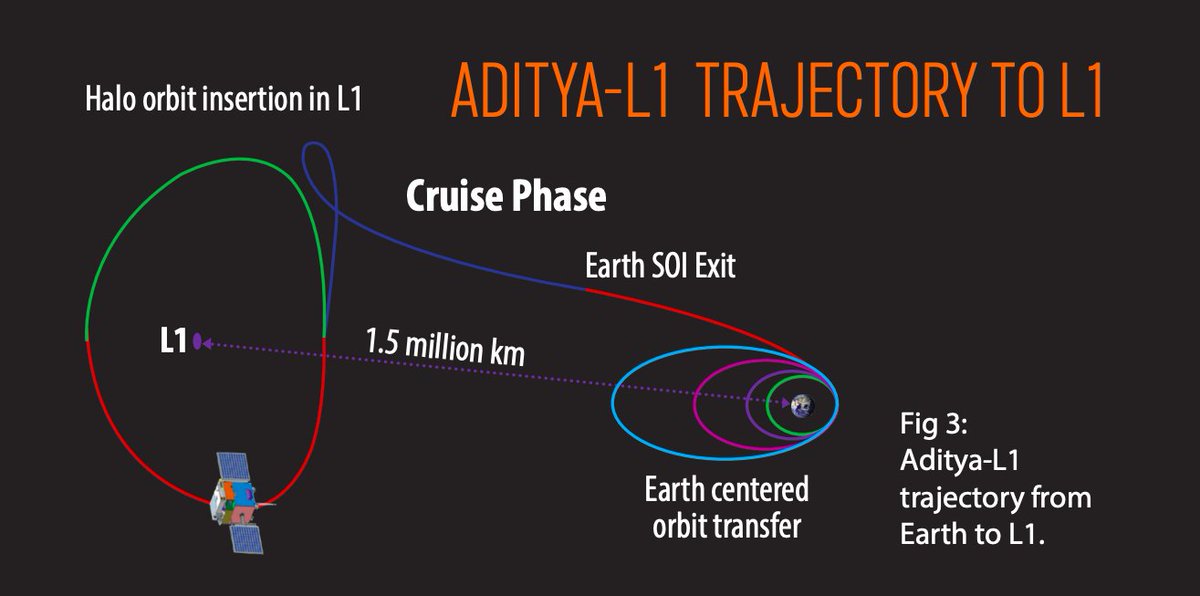
As per information on ISRO's website, Aditya L1 shall be placed in a halo orbit around the Lagrange point 1 (L1) of the Sun-Earth system, which is about 1.5 million km from the Earth.
A satellite placed in the halo orbit around the L1 point has the major advantage of continuously viewing the Sun without any occultation/eclipses, ISRO said.
This will provide a greater advantage of observing the solar activities and its effect on space weather in real time.
Aditya L1 spacecraft carries seven payloads to observe the photosphere, chromosphere and the outermost layers of the Sun (the corona) using electromagnetic and particle and magnetic field detectors.
Using the special vantage point L1, four payloads directly view the Sun and the remaining three payloads carry out in-situ studies of particles and fields at the Lagrange point L1, thus providing important scientific studies of the propagatory effect of solar dynamics in the interplanetary medium.
The suits of Aditya L1 payloads are expected to provide most crucial information to understand the problem of coronal heating, coronal mass ejection, pre-flare and flare activities and their characteristics, dynamics of space weather, propagation of particle and fields etc, ISRO stated.
Essential Business Intelligence, Sharp Market Insights, Practical Personal Finance Advice, Daily Fuel, Gold and Silver Prices and Latest Stories — On NDTV Profit.