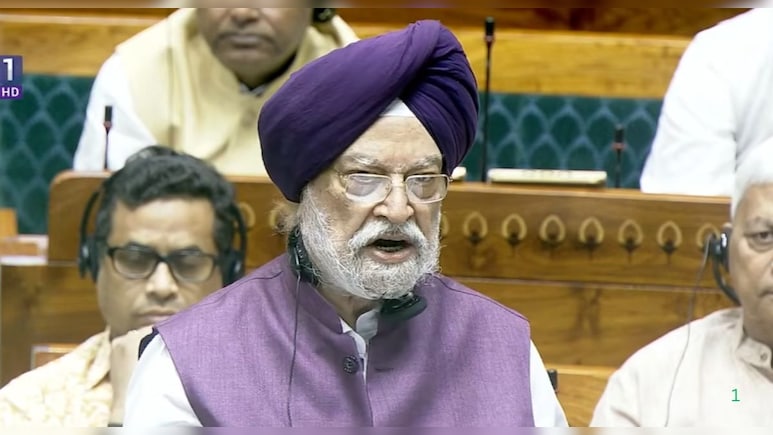
As global crude prices surge sharply, the government has chosen to cushion Indian consumers rather than pass on the full impact, Petroleum Minister Hardeep Singh Puri said.
In a post on X, Puri highlighted that international crude has jumped from around $70 per barrel to $122 in just a month, triggering steep fuel price hikes globally. Countries across Southeast Asia and Africa have seen increases of up to 50%, while North America and Europe have also witnessed significant rises.
Against this backdrop, Puri said India faced a clear choice: pass on the spike to consumers or absorb the shock. He said that under the leadership of Narendra Modi, the government has opted to take a hit on its own finances to shield citizens from volatility.
Also Read | Layoffs Are Rising In Tech, But These Skills Are Helping People Unlock Better Pay
International crude prices have gone through the roof in the last 1 month from around 70 dollars/barrel to around 122 dollars/barrel. Consequently, petrol and diesel prices for consumers have gone up all over the world. Prices have increased by around 30%-50% in South East Asian…
— Hardeep Singh Puri (@HardeepSPuri) March 27, 2026
Finance Minister Nirmala Sitharaman also posted on X, that the central excise duty on petrol and diesel for domestic consumption has been reduced by Rs 10 per litre each. She says that, "Hon. PM @narendramodi has always ensured that citizens are protected from vagaries of supply and costs of essential goods. Further, duties have been imposed on exports of Diesel at Rs 21.5 per litre and on ATF at Rs 29.5 per litre."
In view of the West Asia crisis, the central excise duty on petrol and diesel for domestic consumption has been reduced by ₹10 per litre each. This will provide protection to consumers from rise in prices. Hon. PM @narendramodi has always ensured that citizens are protected from…
— Nirmala Sitharaman (@nsitharaman) March 27, 2026
Revenue Hit To Ease Consumer Burden
The minister noted that the government is effectively forgoing tax revenues to reduce the burden on consumers and oil marketing companies. Losses of about Rs 24 per litre on petrol and Rs 30 per litre on diesel are being absorbed amid elevated global prices.
At the same time, export taxes have been imposed to discourage refiners from diverting fuel overseas when international prices are significantly higher — ensuring domestic availability remains intact.
ALSO READ: Government Imposes Levies On ATF Amid Excise Changes; Cuts Fuel Duties — Check Exemptions
No Shortage, Supply Remains Stable
The reassurance comes amid reports of panic buying and long queues at fuel stations. The government has strongly dismissed these as misinformation, asserting that there is no shortage of petrol, diesel or LPG in the country.
India currently holds around 60 days of crude oil stock cover, along with one month of LPG supply, providing a strong buffer against global disruptions. State-run oil marketing companies have also confirmed that supply remains stable and all fuel stations are adequately stocked. To address temporary logistical issues at some petrol pumps, the government has increased credit availability for dealers, easing working capital constraints and ensuring uninterrupted supply.
Essential Business Intelligence, Sharp Market Insights, Practical Personal Finance Advice, Daily Fuel, Gold and Silver Prices and Latest Stories — On NDTV Profit.