- RBI removed interest rate caps on 3- and 5-year FCNR(B) deposits until Sept 2026
- Banks can now set any rate on fresh FCNR(B) and NRE deposits with three-year tenors
- Restrictions remain for FCNR(B) deposits under three years, capped at 250 bps above rate
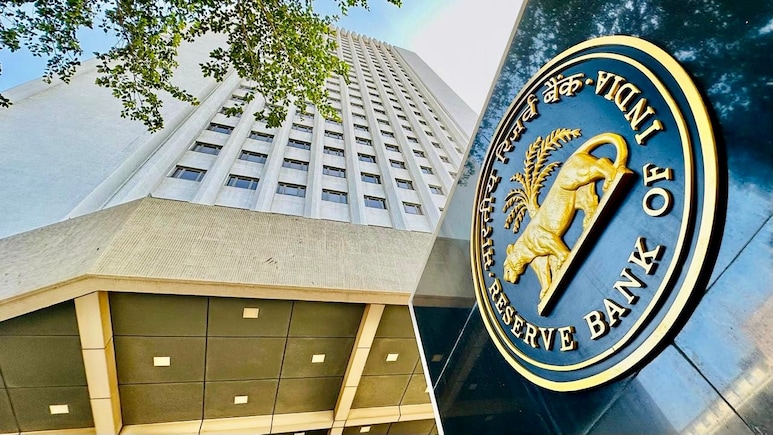
The Reserve Bank of India (RBI) on Wednesday removed interest rate ceilings on fresh three-year and five-year Foreign Currency Non-Resident Bank [FCNR(B)] deposits and certain Non-Resident External (NRE) deposits until Sept. 30, 2026, in a move aimed at attracting higher foreign currency inflows into the country.
The central bank said the decision was taken as part of a review of its deposit interest rate directives issued in 2025 and will come into effect immediately.
Under the revised framework, banks will be free to offer interest rates of their choice on fresh FCNR(B) deposits with maturities of three years and five years until Sept. 30, 2026.
Also Read | Layoffs Are Rising In Tech, But These Skills Are Helping People Unlock Better Pay
The RBI also removed the restriction on interest rates for NRE deposits with tenors of three years and above, including deposits renewed upon maturity, for the same period.
The relaxation is part of a broader set of measures unveiled by the RBI earlier this month to boost capital inflows and strengthen the country's external position.
ALSO READ: India Regains $5 Trillion Market Cap Milestone As Sensex, Nifty Extend Winning Streak
Those measures included hedging support for fresh three-year and five-year FCNR(B) deposits, a concessional swap window for external commercial borrowings (ECBs) raised by public sector undertakings, and other initiatives designed to attract foreign currency.
While restrictions have been removed for longer-tenor deposits, the RBI retained the existing framework for shorter-duration deposits.
For FCNR(B) deposits with maturities of one year to less than three years, banks can continue offering rates up to 250 basis points above the overnight alternative reference rate.
For deposits with maturities of three years to five years, the earlier ceiling was 350 basis points above the reference rate. The latest move effectively removes this cap for fresh deposits until September 2026.
The RBI also reiterated that interest rates on NRE and Non-Resident Ordinary (NRO) deposits should not exceed the rates offered by banks on comparable domestic rupee term deposits, except where specific relaxations have been provided.
The central bank's earlier measures have already triggered a response from lenders seeking to attract overseas deposits.
Several public and private sector banks, including Yes Bank, Bank of Baroda and Canara Bank, have raised FCNR(B) deposit rates in recent weeks, with some offerings reaching up to 7%.
The higher rates are expected to make Indian foreign currency deposits more attractive for non-resident Indians and overseas investors looking for stable returns.
Essential Business Intelligence, Sharp Market Insights, Practical Personal Finance Advice, Daily Fuel, Gold and Silver Prices and Latest Stories — On NDTV Profit.