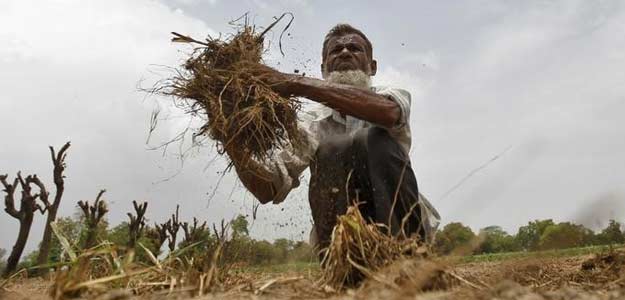
Singapore: A closely watched forecast by Japan on Tuesday confirmed the return of El Nino this year. In 2009, the weather pattern had caused the worst drought in four decades in India and ravaged croplands across Asia, driving food prices to multi-year highs.
El Nino, or "the little boy" in Spanish, is characterised by a warming of sea-surface temperatures in the Pacific. It causes heavy rains and floods in South America and scorching weather in Asiaand even east Africa.
See below for a list of crops most at risk from an El Nino:
Wheat
Australia's high-protein wheat crop is likely to take a hit with El Nino expected to bring dry weather across its eastern grain-belt. Wheat is planted in April-May and the period that makes or breaks the crop is in September. Some rains in recent weeks in parts of the east coast have encouraged farmers to plant the crop.
Rice
Although there are abundant stocks of rice in key producers India and Thailand, El Nino is likely to curb the output of Asia's staple food. This would provide a floor under rice prices that are trading around 12 percent below last year's peak. A rally in rice has the potential of stoking inflationary fears and unrest in the region. Rice is planted in May-July and requires rains between July and August.
Soybeans
Soybean production would take a hit in India, Asia's second largest producer of the oilseed, if El Nino brings dry weather to the western and central regions of the country. This could prompt India to import more palm oil and spur further potential gains in prices of the tropical oil. Soybeans are planted in June-July and the crop needs rains in August-September.
Palm oil
El Nino does not immediately hit palm oil supplies as it takes about nine months to a year for oil palm trees to show stress due to drought. But rising demand from top importers India and China as well as concerns over an eventual tightening in supplies due to any crop stress will boost prices. About 90 per cent of palm oil, which accounts for 35 percent of global edible oil supply, is produced in Indonesia and Malaysia.
Corn
Corn production in China and India is also at risk. Typically, China escapes the brunt of El Nino but corn yields may be curbed as the crop needs relatively higher volumes of water. India could see its crop exports drop, helping U.S. and South American suppliers sell more.
Coffee
The El Nino's impact on South American coffee and sugar cane is expected to be mixed. South American coffee plantations, which are still stressed due to a drought that hit in the past year, should benefit from the emergence of an El Nino during the harvesting season in the upcoming six months. The El Nino brings rains to the region. But the rains would also hurt the quality of the harvested beans by making them more bitter.
Sugar cane
Likewise, drought-ravaged sugar cane in South America will also benefit from rains, although heavy rainfall caused by an El Nino could interrupt and slow harvesting. It also lowers cane's content of sucrose, the main sugar that crystallizes.
El Nino, or "the little boy" in Spanish, is characterised by a warming of sea-surface temperatures in the Pacific. It causes heavy rains and floods in South America and scorching weather in Asiaand even east Africa.
See below for a list of crops most at risk from an El Nino:
Wheat
Australia's high-protein wheat crop is likely to take a hit with El Nino expected to bring dry weather across its eastern grain-belt. Wheat is planted in April-May and the period that makes or breaks the crop is in September. Some rains in recent weeks in parts of the east coast have encouraged farmers to plant the crop.
Rice
Although there are abundant stocks of rice in key producers India and Thailand, El Nino is likely to curb the output of Asia's staple food. This would provide a floor under rice prices that are trading around 12 percent below last year's peak. A rally in rice has the potential of stoking inflationary fears and unrest in the region. Rice is planted in May-July and requires rains between July and August.
Soybeans
Soybean production would take a hit in India, Asia's second largest producer of the oilseed, if El Nino brings dry weather to the western and central regions of the country. This could prompt India to import more palm oil and spur further potential gains in prices of the tropical oil. Soybeans are planted in June-July and the crop needs rains in August-September.
Palm oil
El Nino does not immediately hit palm oil supplies as it takes about nine months to a year for oil palm trees to show stress due to drought. But rising demand from top importers India and China as well as concerns over an eventual tightening in supplies due to any crop stress will boost prices. About 90 per cent of palm oil, which accounts for 35 percent of global edible oil supply, is produced in Indonesia and Malaysia.
Corn
Corn production in China and India is also at risk. Typically, China escapes the brunt of El Nino but corn yields may be curbed as the crop needs relatively higher volumes of water. India could see its crop exports drop, helping U.S. and South American suppliers sell more.
Coffee
The El Nino's impact on South American coffee and sugar cane is expected to be mixed. South American coffee plantations, which are still stressed due to a drought that hit in the past year, should benefit from the emergence of an El Nino during the harvesting season in the upcoming six months. The El Nino brings rains to the region. But the rains would also hurt the quality of the harvested beans by making them more bitter.
Sugar cane
Likewise, drought-ravaged sugar cane in South America will also benefit from rains, although heavy rainfall caused by an El Nino could interrupt and slow harvesting. It also lowers cane's content of sucrose, the main sugar that crystallizes.
© Thomson Reuters 2015
Essential Business Intelligence, Sharp Market Insights, Practical Personal Finance Advice, Daily Fuel, Gold and Silver Prices and Latest Stories — On NDTV Profit.