Prime Minister Narendra Modi's task at hand has got tougher. Now, add weak monsoon to the list of other economic challenges he faces: Worst slowdown in decades, high level of inflation, high interest rates, weak manufacturing growth and poor infrastructure, among others.
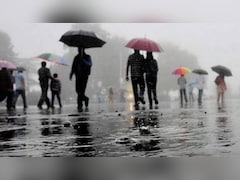
The Indian Meteorological Department in its second estimate on Monday has forecast that the rainfall during the June-September monsoon is likely to be 7 per cent below normal, worse than its April forecast of 5 per cent below normal rainfall. This has got significant implications for an economy that grew 4.7 per cent in the most recent fiscal year, nearly half the rate that is required to provide jobs to millions entering the workforce every year.
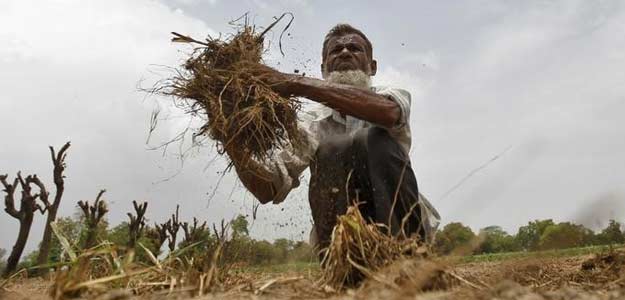
Agricultural Growth: If rains during the monsoon season are 10-15 per cent below normal, then agricultural growth could be closer to 0 per cent or even negative, says Nomura in a report. Agriculture had been a brighter spot in Indian economy, which grew 4.7 per cent in 2013-14. During the year, the agriculture sector grew 4.7 per cent compared with 1.4 per cent in the previous fiscal. India's farm sector accounts for 14 per cent of India's nearly $2 trillion economy, with two-thirds of its 1.2 billion population living in rural areas.
Food Inflation: Nomura forecasts that the consumer price inflation could inch up by as much as 1 per cent from earlier forecast of 8 per cent by early next year. Retail inflation is currently hovering around 8.5 per cent. Bank of America says if monsoon remains weak, consumer conflation could rise to 8-10 per cent next year. Nomura however adds that food price inflation should be manageable if the government proactively releases food grains to contain cereal price inflation and eases import restrictions to ease inflation in the price of edible oils, pulses and other items.
Interest Rate: High food inflation could force the Reserve Bank of India to hold on to high interest rates for a longer time than anticipated. Bank of America says weak monsoon could "push the first RBI rate cut to early 2015, from our base case of December." In its June 3, 2014, monetary policy statement RBI chief Raghuram Rajan cited "sub-normal/delayed monsoon on account of possible El Nino effects" as one of the risks to its forecast of 8 per cent consumer inflation by January 2015. An El Nino phenomenon heats the Pacific and drives rains away from India.
Economic Growth: Bank of America in a report says Indian economic growth could see a 0.50-0.75 per cent hit from weak monsoon. India's economy is expected to grow at 5.4 per cent this fiscal, according to Bank of America.
Manufacturing Recovery: High food inflation level could delay its recovery. Manufacturing sector contracted 0.7 per cent in 2013-14, compared to a growth of 1.1 per cent in 2012-13. Persistently high inflation and elevated interest rates have crimped consumer demand. Consumer goods output, a proxy for consumer demand, has grown just once in the past 11 months as elevated levels of inflation over the past two years hurt the disposable income of consumers.
Compensation package for farmers: Ashok Gulati, chair professor for agriculture at the Indian Council for Research on International Economic Relations, says the farmers are going to lose their income from sub-normal rainfall. Can the government be ready for a compensation package for farmers?" However, given the tight fiscal position of the government, the Modi government would be hard-pressed to announce a generous package for farmers if monsoon fails.
The Narendra Modi government has said that it is readying contingency plans for a weak monsoon and also committed to invest in agricultural infrastructure to boost production. Though boosting infrastructure will take time, the government could be helped in its fight against weak monsoon by the comparatively higher levels of water in rivers. "A bit of good news is that rivers are running relatively full. In particular, the Ganga, which waters the rice fields of the north and the east, is flowing at 2.4 times its 10-year average, Bank of America said in a report.
Ashok Gulati, the professor at Indian Council for Research on International Economic Relations, had a word of caution for Modi government: watch onion prices closely. "My suggestion to the government would be count your onions. In October, they could create problems."
The meteorological department will issue its next forecast in end-July.
Essential Business Intelligence, Sharp Market Insights, Practical Personal Finance Advice, Daily Fuel, Gold and Silver Prices and Latest Stories — On NDTV Profit.