- No changes were made to GST rates at the 57th GST Council meeting in 2026
- GST registration will be faster with low-risk applications auto-approved in 3 days
- GST refund acknowledgment timeline cut to 10 days with 90% claims auto-sanctioned
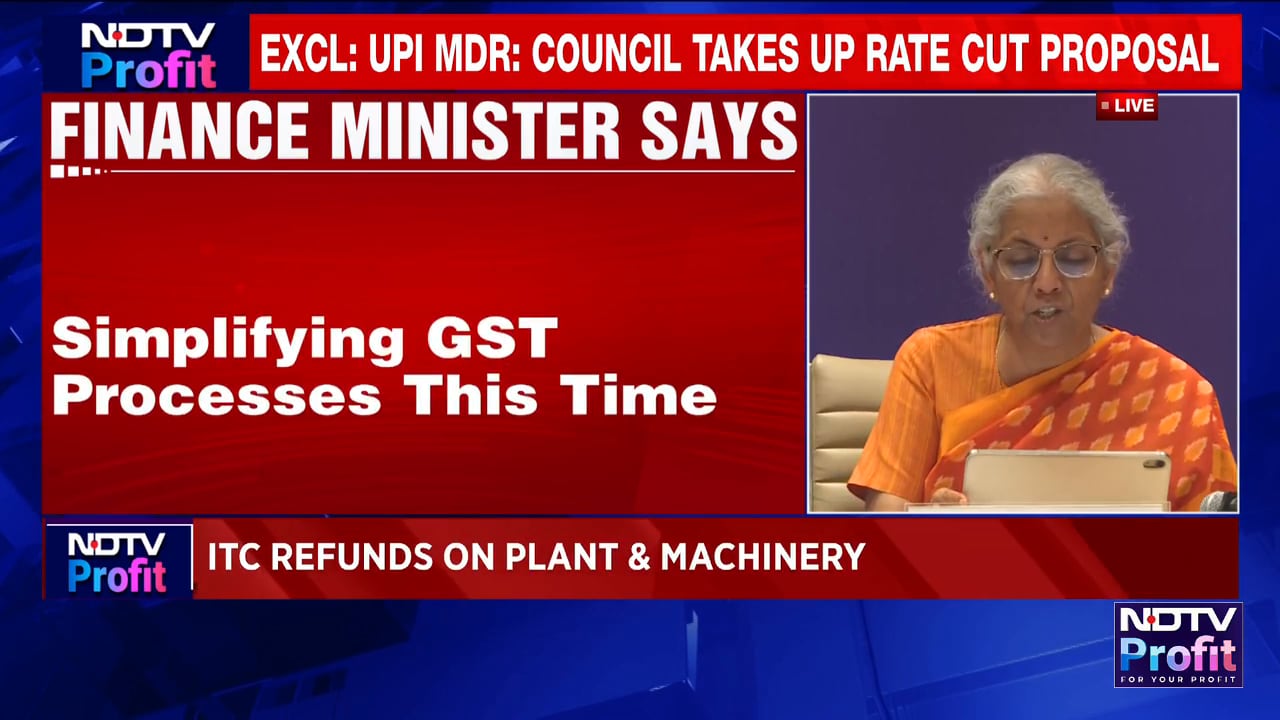
The Goods And Services Tax Council's 57th meeting in 2026 on Thursday, had many key outcomes, with the most prominent one being that there would be no changes to GST rate. The council has shifted its focus to process reforms such as registration, returns, refunds, litigation and Input Tax Credit.
The chief reform includes a faster registration process for GST, with low-risk application being approved automatically within three working days. Upto 65% of eligible registration amendments will now be auto-approved.
ALSO READ: GST 2.0 | Tax Rate Changes Once A Year Effective April 1, Slabs Intact In Current Review: Sources
Also Read | Layoffs Are Rising In Tech, But These Skills Are Helping People Unlock Better Pay
The council also cut the GST refund acknowledgement timeline to 10 days from 15 days. About 90% of refund claims will now be sanctioned via a system-based risk assessment. Cash ledger refunds will now be fully automatic.
The meeting also saw the expansion of Input Tax Credit relief, which will now be allowed on employee health and life insurance, telecom towers and pipelines outside factories as well as free samples and certain expired stock requiring destruction.
The Officers' committee will examine safeguards to protect genuine buyers from losing their Input Tax Credit because of a supplier's default or fraud. They will produce a report in three months. The council will also allow the refund of input services under inverted duty structure from Nov 1, 2026. The same will be permitted for plants and machinery from April 1, 2027, spread over 60 months.
Small B2C (Business to Consumer) taxpayers with up to Rs 5 crore turnover may get an annual return filing with quarterly tax payment, as per the council.
ALSO READ: GST Council Defers Two Key ITC Proposals; Takes Up UPI MDR Rate Cut
Physical inspections of goods in transit may be limited to the originating and destination states based on intelligence inputs. The GST Council has also proposed removing GST arrest powers and raising the prosecution threshold to Rs 5 crore from Rs 1 crore, reducing compliance and litigation risks for businesses.
The GST Council also defered two key proposals, the first being Section 16(2) which was deferred over concerns around seller's tax payment and fake ITC claims. The second was Section 17(5) to allow Input Tax Credit on motor vehicles, which was also deferred.
Essential Business Intelligence, Sharp Market Insights, Practical Personal Finance Advice, Daily Fuel, Gold and Silver Prices and Latest Stories — On NDTV Profit.