- Chief Economic Advisor Nageswaran said H2 FY27 will be challenging due to global risks and rising rates
- India's Q1 FY27 GDP grew 7.8%, supported by credible data like GST, credit growth, and exports
- Rising oil prices pushed India's fuel cost to USD 117 per barrel in September from USD 80-85 earlier
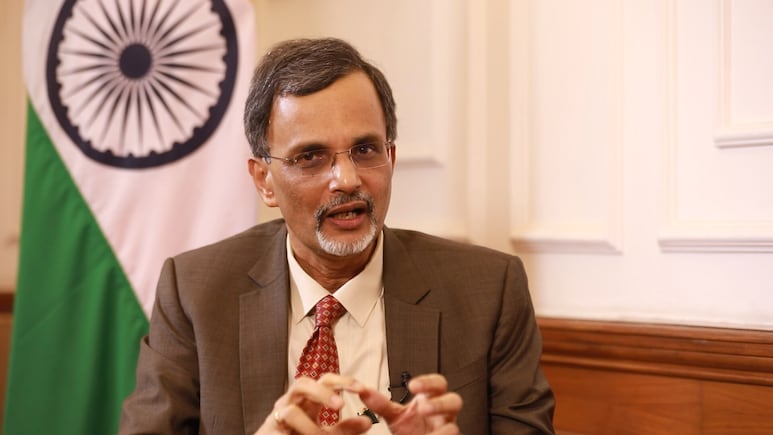
Chief Economic Advisor V Anantha Nageswaran on Wednesday said the second half of the current fiscal is going to be challenging because downside risks to global growth have increased and interest rates are rising across the world.
He also said the 7.8 per cent GDP growth in the April-June quarter is based on "credible and reliable data" and did not come out of "thin air" as high-frequency data, including GST collection, credit growth and export numbers, indicate continuing economic momentum in the July-August period.
"All these numbers were pointing to a fairly strong GDP growth print in the first quarter. To some extent, one might say that 30-40 bps of it would have come from the new technique of double deflation method etc because import prices went up too much," Nageswaran said.
Also Read | Layoffs Are Rising In Tech, But These Skills Are Helping People Unlock Better Pay
India's GDP grew by 7.8 per cent in the first quarter of the fiscal 2026-27, beating the Reserve Bank of India forecast of 7 per cent. Critics questioned the Q1 GDP number, saying it does not reflect the economic realities.
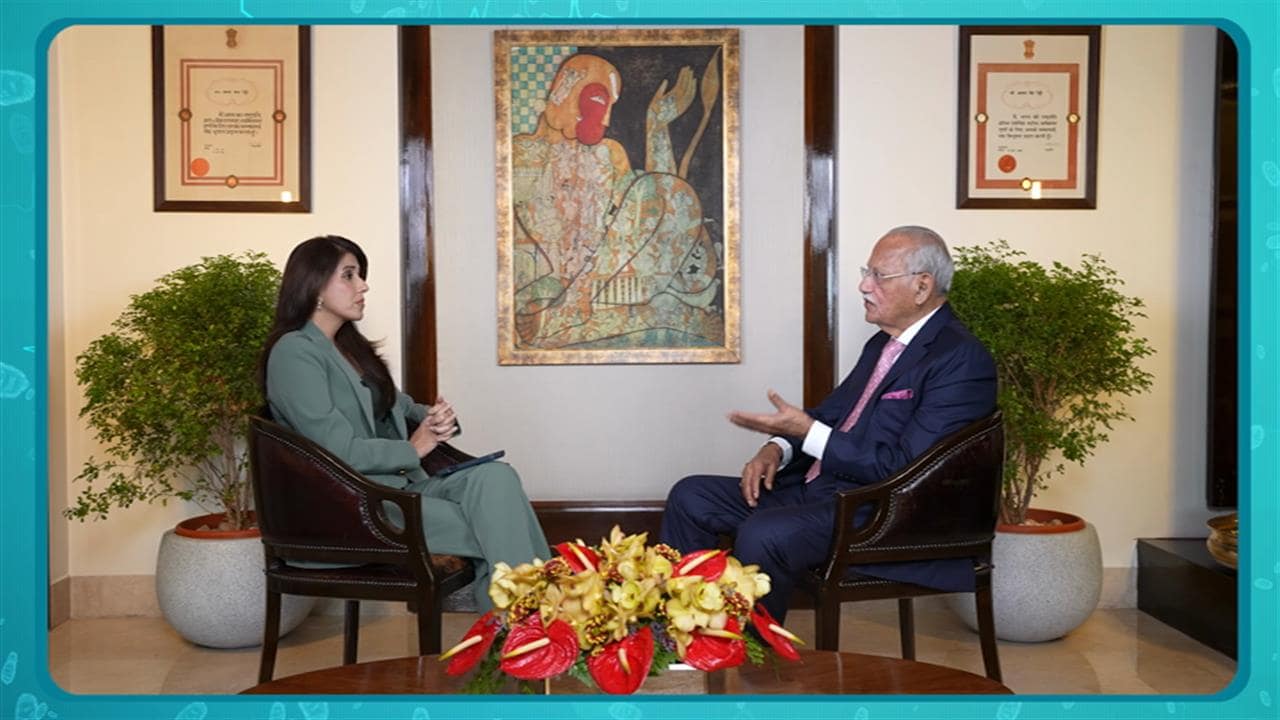
In a conversation with Sumant Sinha, the Chairman and CEO of ReNew, Nageswaran said September has been a difficult month with rising oil prices.
"But, based on July-August data, we are looking at something like 7.3 per cent GDP growth. So it is not something that 7.8 per cent (GDP growth in June quarter) came out of thin air," Nageswaran said.
The second half of the year is going to be a challenging one, he said, adding the landed cost of fuel for India this month is USD 117 per barrel for the Indian basket, as against USD 80-85 for June-August. "So what happens in the second half, we will need to wait and see," he said.
The domestic economic momentum induced by GST rate cuts is still there, Nageswaran said, adding that but it is going to be a “challenging environment as you have interest rate rising in the world and India as well".
Inflation currently at 4.3 per cent is within the RBI's 2-6 per cent range, he said, adding, "whether that requires an interest rate response or not, it is for RBI to decide. They will definitely look at second-round effects if it is only food and energy related or all-pervasive."
He said India's growth performance and resilience owe a lot to reforms which were implemented in 2014 but they all take some time to show their results.
Last week, four global agencies, S&P Global Ratings, Fitch Ratings, the Organisation for Economic Co-operation and Development (OECD), and the Asian Development Bank (ADB) upped India's GDP growth projections for the current fiscal.
S&P and ADB each raised their FY27 growth forecasts by 40 basis points to 7 per cent, while Fitch increased its projection by 50 basis points to 6.9 per cent.
The largest revision came from the OECD, which raised its forecast to 7.1 per cent, from 6.3 per cent earlier. Earlier this month, Moody's Ratings also raised its India growth forecast to 7 per cent, from 6 per cent.
The revised projections are significantly above RBI's 6.7 per cent growth forecast for FY'27.
Indian economy grew 7.8 per cent in 2025-26.
(This story has not been edited by NDTV staff and is auto-generated from a syndicated feed.)
Essential Business Intelligence, Sharp Market Insights, Practical Personal Finance Advice, Daily Fuel, Gold and Silver Prices and Latest Stories — On NDTV Profit.