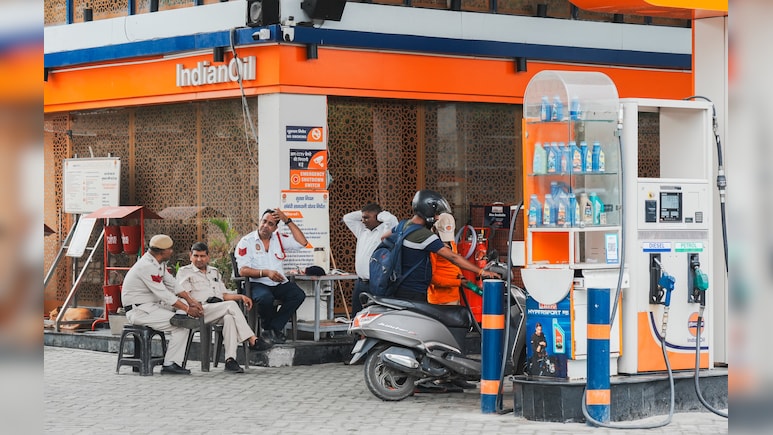
- Petrol and diesel prices were raised by Rs 3 per litre on May 15, the first hike in over four years
- Price increase aims to reduce losses faced by India's three major state-run oil companies
- Fuel price hikes vary by city, impacting passenger vehicles more than commercial fleets currently
Petrol and diesel prices were hiked by Rs 3 per litre each on Friday, May 15, the first rate increase in more than four years, amid mounting losses of fuel retailers due to surging global crude prices. Industry experts are divided on whether the 'nominal' fuel price hike passed on to consumers will be enough to offset the losses borne by India's three major state-run oil marketing companies - Indian Oil Corp Ltd, Bharat Petroleum Corp Ltd, and Hindustan Petroleum Corp Ltd.
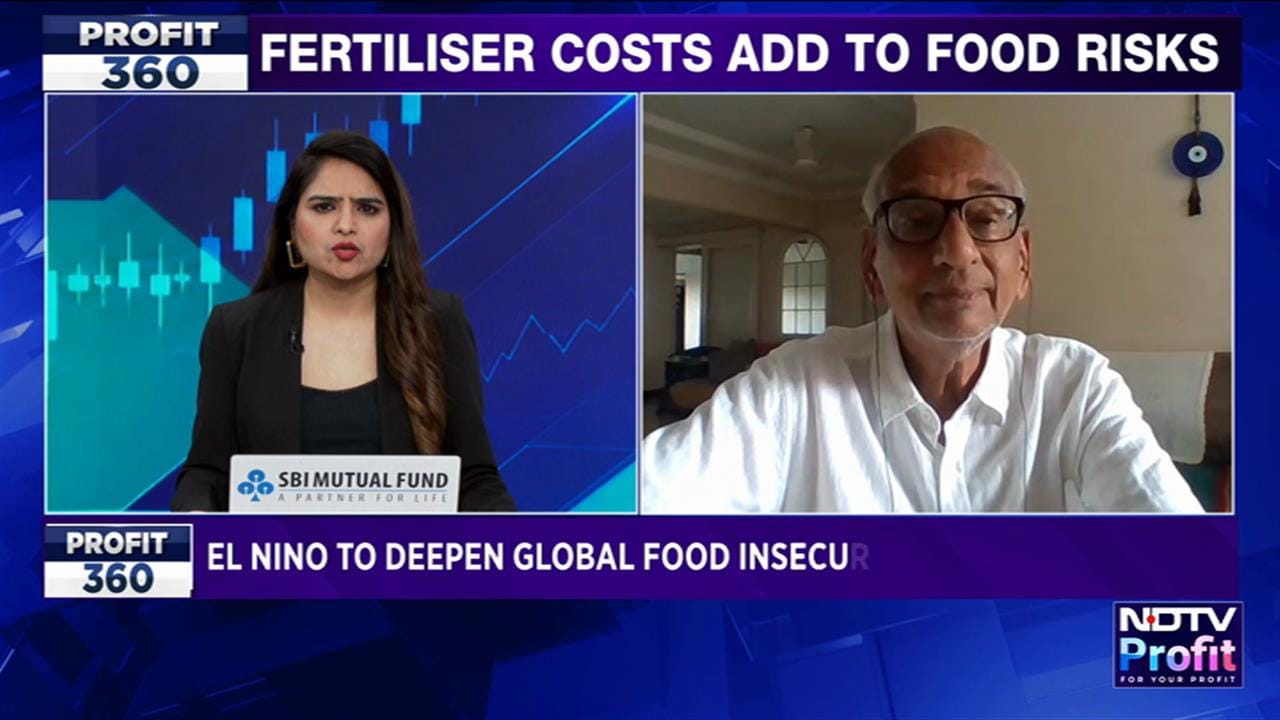
In an exclusive interview with NDTV Profit, RS Pandey, Former Oil & Gas Petroleum Secretary said that the the current fuel price jump is 'very small number' compared to what the companies or OMCs would like the government to do. He believes the price hikes are not economic numbers, but political economy's numbers. Fuel rates vary across states due to differences in value-added tax.
ALSO READ: Petrol, Diesel Prices Hiked By Rs 3: Check Fuel Rates In Delhi, Mumbai, Kolkata, Bengaluru, Chennai
Also Read | Layoffs Are Rising In Tech, But These Skills Are Helping People Unlock Better Pay
Fuel Price Hike Hits a Wall?
Hemal Thakkar, Senior Director of CRISIL Intelligence told NDTV Profit that the fuel price has increased only in major metro cities - Delhi, Mumbai, Chennai, and Kolkata. ''If we look at the overall price increase, it may still impact passenger vehicle and two wheeler segments in those loactions, but when we look at the commercial vehicle category, truckers and fleet operators may start filling in diesel outside the city limits to navigate this price hike until it becomes uniform across the country,'' said Thakkar.
Petrol price was hiked to Rs 97.77 per litre from Rs 94.77 in the national capital. Diesel now costs Rs 90.67 as against Rs 87.67 per litre previously. Petrol in Mumbai now costs Rs 106.68 a litre and diesel comes for Rs 93.14 per litre. In Kolkata, petrol now costs Rs 108.74 per litre and diesel Rs 95.13, while in Chennai, prices increased to Rs 103.67 for petrol and Rs 95.25 for diesel.
Private fuel retailers had already increased pump prices. Nayara Energy, the country's largest private fuel retailer, in March raised petrol prices by Rs 5 per litre and diesel by Rs 3, while Shell increased petrol prices by Rs 7.41 and diesel by Rs 25 per litre from April 1. In Bengaluru, Shell sells petrol at Rs 119.85 per litre and diesel at Rs 123.52.
According to RS Pandey, the government has to weigh several pros and cons of various aspects for increasing the fuel prices such as balancing the demands of OMCs against the social risks of inflation and public sentiment. He believes the government is maintaining a cautious stance on fuel prices. ''The long-term stress will still prevail in the global economy, even after the Strait of Hormuz blockade is resolved,'' he said.
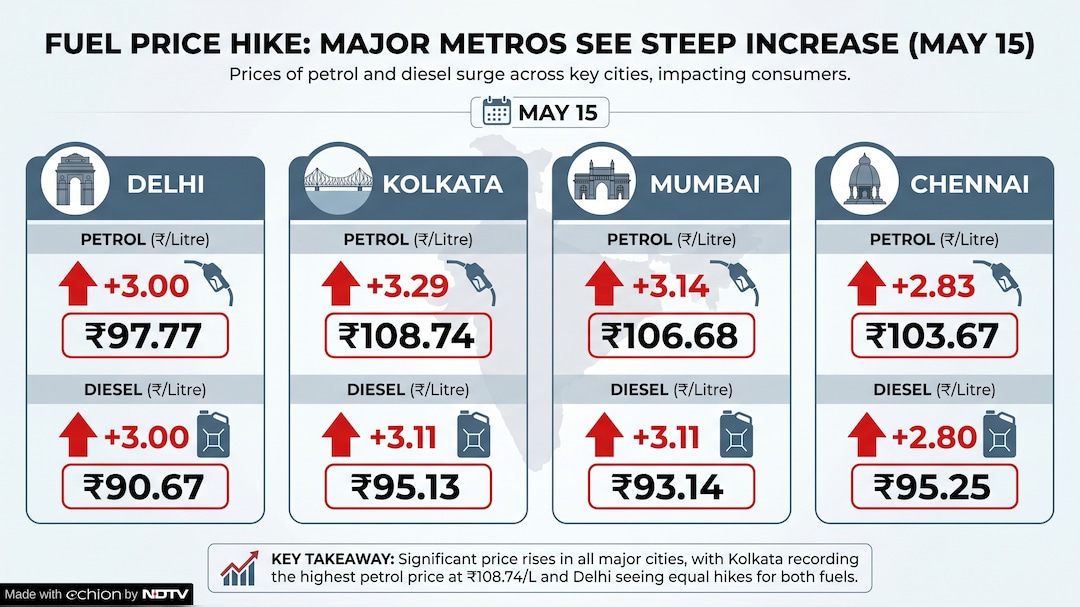
Fuel Price Hike On May 15
Moving Target
OMCs were staring at a loss of Rs 1-1.2 crore lakh in the first quarter of FY27, which is adaily loss of Rs 1,100-1,300 crore. The total fuel consumption on a daily basis stands at 463 million litres. OMCs have a market share of 90%, which means in pumps a total of 417 million litres of fuel is being consumed everyday. Hence, a Rs 3/lirre hike in prices helps OMCs recoup Rs 125 crore per day which is a maximum of 11% of their actual loss. So, about 90% loss for OMCs still stands.
''The OMCs have not raised fuel prices in the last four years and will strain in their balance sheets for Q1FY27 over crude price-led losses,'' said Pandey. The former Petroleum Secretary explained that since the current fuel price is not enough, the government will take action if global crude prices jump again. He added that the upstream oil companies may get taxed, however, further fuel price hikes are a 'moving target'. If the Iran war gets resolved, more hikes may not be passed on to consumers.
ALSO READ: Explained: How Petrol And Diesel Price Hike Will Benefit HPCL, BPCL And IOCL
Crude Price Shock
Energy prices globally shot up after the US-Israel attack on Iran on Feb. 28, and the subsequent retaliation by Tehran effectively shut down the Strait of Hormuz - the sea lane through which a fifth of the world's oil and gas transits. Crude oil, the input raw material for making petrol and diesel, surged above $120 per barrel during the peak of the West Asia conflict, as opposed to the $70-72 range before the conflict. But, the Iran war has again sent international oil prices soaring by over 50%. More recently, prices have eased but remained elevated around the $104-110 per barrel range.
India's retail inflation, measured by the Consumer Price Index (CPI), rose to 3.48 per cent in April 2026 from 3.40 per cent in March, while wholesale price inflation (WPI) surged to 8.3%, a 42-month high, driven by a sharp rise in fuel and energy prices amid elevated global crude oil rates. Prime Minister Narendra Modi recently urged citizens to reduce fuel consumption and use public transport and work-from-home options more frequently to help curb foreign exchange outflows on oil imports.
Essential Business Intelligence, Sharp Market Insights, Practical Personal Finance Advice, Daily Fuel, Gold and Silver Prices and Latest Stories — On NDTV Profit.