The European Union has unveiled a set of new sanctions aimed at tightening pressure on Russia, with India-based entities among 50 companies proposed for fresh export control restrictions over alleged links to Moscow's war economy.
The proposed measures form part of the EU's 21st sanctions package against Russia over its invasion of Ukraine.
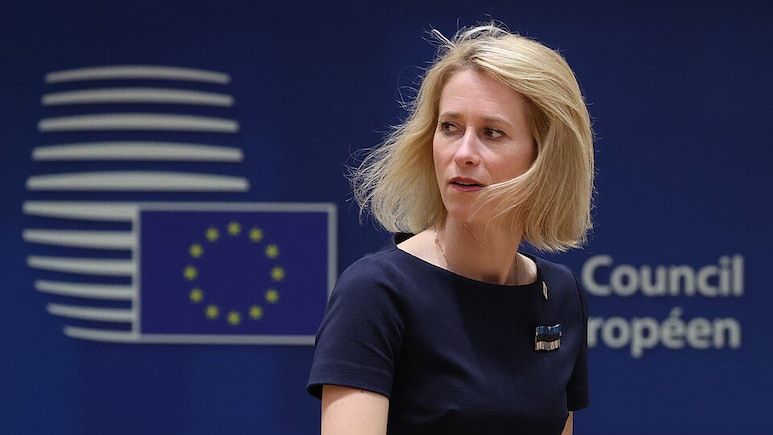
Announcing the package, European Commission Vice President Kaja Kallas said the bloc plans to impose export restrictions on companies located in India, China, Türkiye, Kyrgyzstan, Kazakhstan and the United Arab Emirates, alongside more than 30 new designations linked to drone manufacturing.
Also Read | Layoffs Are Rising In Tech, But These Skills Are Helping People Unlock Better Pay
The sanctions package is designed to further squeeze Russia's military-industrial complex and limit its ability to finance the war.
ALSO READ : US Security Agreement For Ukraine '100% Ready' To Be Signed: Zelenskyy
Kallas said Brussels was preparing one of its most extensive sanctions rounds in over two years, adding that the EU was "collapsing the foundations of Russia's war economy."
We are also targeting companies providing support to Russia military-industrial complex.
— Kaja Kallas (@kajakallas) June 9, 2026
The new listings will cover more than 30 designations in the drones manufacturing as well as new export control measures on 50 companies, including entities based in China, Türkiye,…
The proposals also target banks, weapons manufacturers, oil traders, refineries and cryptocurrency operators in third countries that are alleged to have helped Moscow bypass existing restrictions.
Nearly 90 banks could be subjected to asset freezes, while transactions involving more than 30 banks in Russia and elsewhere may face tighter controls.
Eleven cryptocurrency platforms are also slated for transaction bans.
ALSO READ : EU, India To Strengthen Ties With New Security And Defence Partnership
The package further includes measures aimed at reducing Russia's energy revenues, including stricter restrictions on oil and liquefied natural gas-related activities.
The EU has also proposed sanctions on 30 additional vessels linked to Russia's so-called shadow fleet, along with transaction bans on two Russian ports and four airports.
The proposals will now be considered by EU member states before any final approval.
Essential Business Intelligence, Sharp Market Insights, Practical Personal Finance Advice, Daily Fuel, Gold and Silver Prices and Latest Stories — On NDTV Profit.