India's ethanol procurement policy for the 2026-27 supply year reveals a complex multi-sectoral trade-off between energy transition, fiscal prudence, and agricultural supply security.
While Oil Marketing Companies (OMCs) have invited bids for a massive 1,100 crore litres of ethanol to maintain the nation's E20 target, the new tender completely excludes high-yield feedstocks, specifically
Fiscal and Cost Implications for OMCs
The strategic shift away from sugarcane-derived feedstocks toward maize introduces severe cost pressures for Oil Marketing Companies (OMCs). Banning high-yielding options like sugarcane juice, syrup, and B-heavy molasses leaves OMCs dependent on lower-yielding C-heavy molasses and grain alternatives.
Also Read | Layoffs Are Rising In Tech, But These Skills Are Helping People Unlock Better Pay
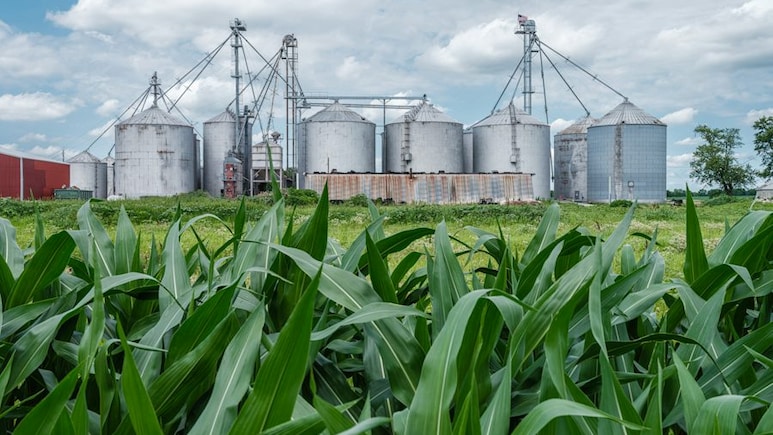
Buying maize-based ethanol costs Rs 68.86 per litre, which is 13.4% more expensive than B-heavy molasses ethanol at Ra 60.73 per litre.
- Because of this higher price, if oil companies have to replace just 100 crore litres of sugarcane-based ethanol with maize-based ethanol, their total purchasing costs will jump by about Rs 813 crore.
Agricultural and Food Security Pressures
Because the poultry industry uses 55-60% of domestic maize, diverting more of it to ethanol drives up feed costs—threatening to make everyday food items like eggs and chicken more expensive. Meanwhile, halting sugar-based ethanol prevents a national sugar shortage (with production projected at 27-28 million tonnes versus a demand of 28.3 million tonnes), but it hurts sugar mills that spent heavily on new distillery capacity.
To fix this, policymakers must balance clean energy targets with economic stability. This requires better supply chain planning, higher-yielding crop varieties, and alternative feedstocks.
Essential Business Intelligence, Sharp Market Insights, Practical Personal Finance Advice, Daily Fuel, Gold and Silver Prices and Latest Stories — On NDTV Profit.