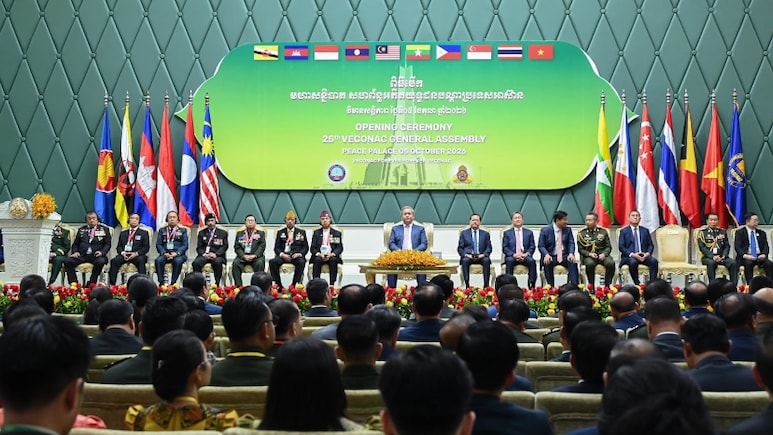
Energy ministers from the Association of Southeast Asian Nations are meeting in Manila on Wednesday and Thursday to address growing regional energy security risks arising from the US-Israel war with Iran and disruptions to global fuel supplies.
The conflict has exposed Southeast Asia's heavy dependence on oil and gas from the Middle East, much of which moves through the strategically vital Strait of Hormuz. Prolonged disruption to the key shipping route has intensified concerns over fuel availability, rising costs and the vulnerability of regional economies to external energy shocks.
The Manila meeting is expected to focus on immediate measures to protect energy supplies while advancing longer-term regional cooperation. One key proposal is the establishment of a regional fuel-sharing mechanism that would allow Asean members to support one another during severe shortages, as per Al Jazeera.
Also Read | Layoffs Are Rising In Tech, But These Skills Are Helping People Unlock Better Pay
Governments are also considering larger strategic fuel reserves and alternative supply arrangements, including storing more oil and gas closer to home. The crisis has already prompted some Southeast Asian countries to introduce energy-saving measures as concerns grow over fuel reserves.
Thailand, Vietnam, Indonesia and Cambodia have considered or implemented measures aimed at reducing consumption, including restrictions on fuel use and work-from-home arrangements. Another major priority is accelerating the Asean Power Grid, which aims to connect national electricity networks and allow countries to share power more efficiently.
Projects such as subsea electricity links between Singapore and Indonesia are part of the broader effort, although differences in infrastructure, regulation and political priorities remain obstacles to deeper integration.
The ministers are also expected to discuss clean energy, regional carbon markets and greater financing for electrification. Expanding renewable energy could help reduce Asean's dependence on imported fossil fuels while strengthening the region's resilience to future supply disruptions.
The emergency has highlighted a deeper structural challenge. Southeast Asia's electricity demand is rising rapidly at the same time that many economies remain dependent on imported fuels. An International Energy Agency assessment has warned that the region needs to diversify energy sources and supply routes, improve energy efficiency and accelerate investment in cleaner technologies.
According to Al Jazeera, The Manila talks therefore go beyond managing the immediate impact of the Iran conflict. The crisis is pushing Asean towards a broader strategy based on energy diversification, strategic reserves, fuel-sharing, interconnected power systems and faster deployment of domestic and renewable energy.
The outcome could shape how Southeast Asia responds not only to the current energy shock but also to future disruptions in global fuel markets.
Essential Business Intelligence, Sharp Market Insights, Practical Personal Finance Advice, Daily Fuel, Gold and Silver Prices and Latest Stories — On NDTV Profit.