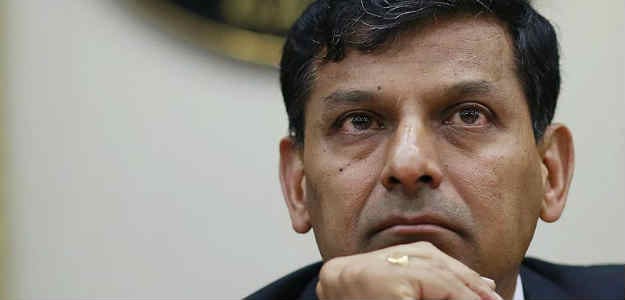
RBI Governor Raghuram Rajan is likely to keep the benchmark repo interest rate unchanged at a five-year low of 6.50 per cent at a policy review today, most of the economists said.
Here is a 10-point cheat-sheet
RBI policy actions would continue to be guided primarily by domestic inflation and further rate cuts by the RBI can be expected only after a clearer picture of the monsoons and oil price level emerges, said CARE Ratings.
The retail inflation has shown signs of hardening with annual retail inflation rising to 5.39 per cent in April from 4.83 per cent in March. RBI has a target to bring retail inflation down to 5 per cent by March 2017.
Domestic inflation in the near term faces an upward pressure from the recent rise in oil prices. Global crude prices have almost doubled to around $50 a barrel from its January lows. Inflation could also increase after implementation of the 7th Pay Commission's recommendations.
The RBI could also wait for the passage of key global events like the US Federal Reserve's interest rate action and the Brexit referendum to make its next policy moves.
RBI's bi-monthly policy review also comes when there is increased speculation about Dr Rajan's future at the central bank. Since 1992, every RBI governor has got a two-year extension on completion of his tenure, but it is not clear whether Dr Rajan will get one too. His term ends in September.
The RBI embarked on an easing cycle in January last year that had helped fuel consumer spending - one of the factors behind India's faster-than-expected 7.9 per cent year-on-year economic growth in the quarter through March.
The world's fastest growing big economy is also expected to benefit from good rains forecast for this year, after two successive years of drought. That could boost consumption further, especially in rural areas, but it could also stoke inflation, making the central bank more likely to stay cautious.
Apart from RBI's forecast on inflation, Saugata Bhattacharya, chief economist at Axis Bank, says that the key things to be watched include the timeline for formation of monetary policy committee and its stance on liquidity.
The Parliament recently approved a bill that sets up a panel to decide interest rates. Under the new arrangement, for which a date has not yet been set, a six-member monetary policy council will set interest rates by majority, with a casting vote for the RBI chief in the event of a tie.
RBI's last policy announcement in April saw the central bank announcing measures to improve the liquidity situation in the system to help in the transmission of interest rates cuts. However, liquidity in the system could be pressured in coming months with redemption pressures of the foreign currency non-resident bank account or FCNR deposits of around $25 billion from September.