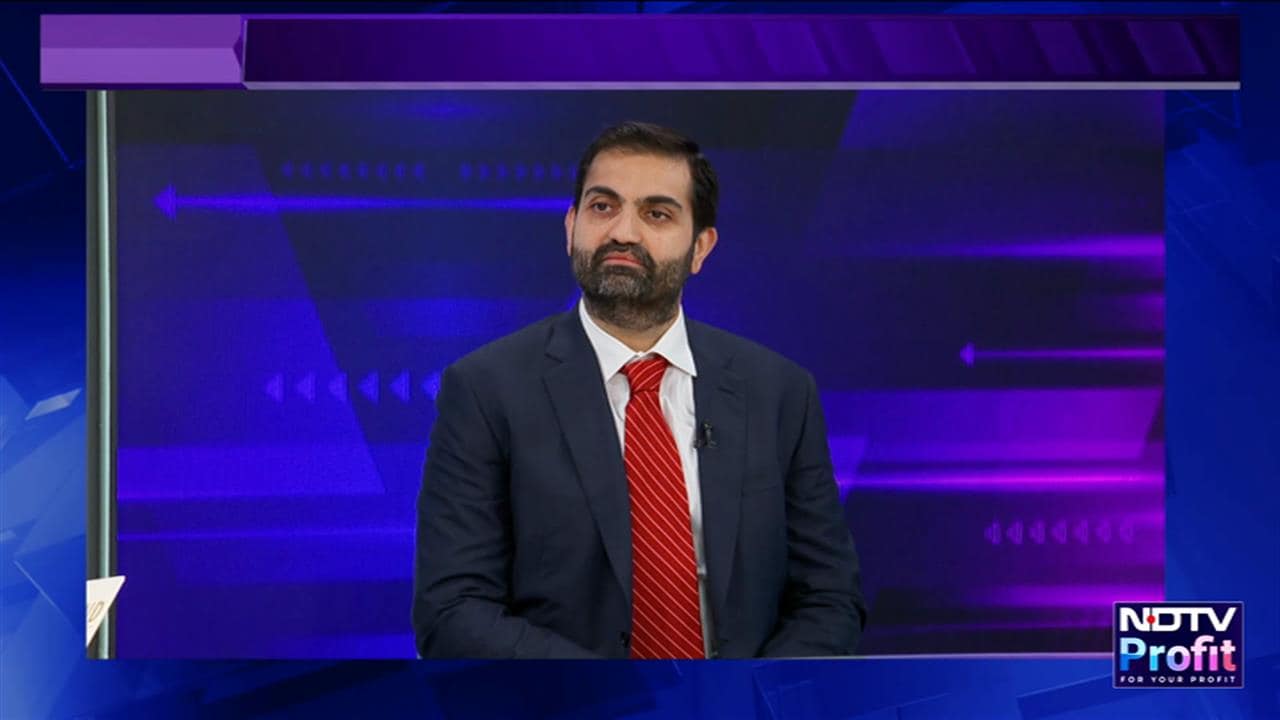
'Temple', the latest venture of Zomato founder Deepinder Goyal, has undertaken its first round of fundraise. The company mopped up $54 million (approximately Rs 490 crore), primarily from "friends and family", as per the details shared by Goyal in a social media post on Friday.
The funds were raised at a post-money valuation of about $190 million (approximately Rs 1,730 crore).
"Every investor in this round is a founder friend or early-stage Zomato investor who wanted in, whether or not Temple ever makes it to market," Goyal said.
"But here's what gives me goosebumps – more than 30 Temple employees participated in the round, at par valuation. No discount. Their own money. That's the kind of belief you can't buy," he added.
Temple has raised its first round. Friends and family. $54m. Post-money valuation of ~$190m.
— Deepinder Goyal (@deepigoyal) February 27, 2026
Every investor in this round is a founder friend or early-stage Zomato investor who wanted in, whether or not Temple ever makes it to market.
But here's what gives me goosebumps – more…
Notably, Temple is positioning itself as the developer of the "ultimate wearable for elite performance athletes".
In a recruitment drive announced earlier in the day, Goyal said that the entry ticket to his elite wearable startup isn't just a high IQ, but also a low body fat percentage.
To build it, Goyal argues that the creators must mirror the users. The job description explicitly limits applicants to men with less than 16% body fat and women with less than 26%.
ALSO READ: ‘Wearable Like No Other': Deepinder Goyal Shares Update On Temple Waitlist
To put those numbers in perspective, a 16% body fat level for men typically reveals muscle definition and a lean, athletic frame, while 26% for women sits at the fitter end of the average healthy range.
For those who are technically gifted but currently "out of shape," Goyal offers a three-month ultimatum: you can apply, but you will remain on probation until you hit the physical targets.
While the physical requirements have grabbed the headlines, the technical roles suggest Temple is aiming for a level of sophisticated hardware rarely seen in the consumer market. Goyal is headhunting for a "tribe" of obsessive engineers across several high-spec domains:
- Neural & Bio-Sensing: Brain-Computer Interface (BCI) Engineers, Computational Neuroscientists, and Neural Decoding Researchers focused on mapping brain activity to semantics.
- Hardware & AI: Embedded Systems Engineers for low-level HW bring-up, Deep Learning Engineers for physiological metrics, and Computer Vision Engineers specialized in facial microexpressions and subvocal muscle detection.
- Materials & Design: CMF (Color, Materials, Finish) and Adhesive Materials Engineers, alongside Analog Systems and Electronics Design specialists.
- Product Management: High-autonomy product managers expected to work directly in Figma without "a designer to hold their hand."
The concept behind the Temple was first shared by Goyal in November 2025, in the form of a research termed as “Gravity Ageing Hypothesis”. The theory argues that the constant pull of gravity may, over time, impair blood circulation to the brain, potentially hastening the ageing process.
Temple has been designed to monitor minute shifts in blood circulation and oxygen levels within the brain, generating live data that may enable researchers to better understand how everyday factors such as posture, physical movement and lifestyle choices influence brain health over extended periods.
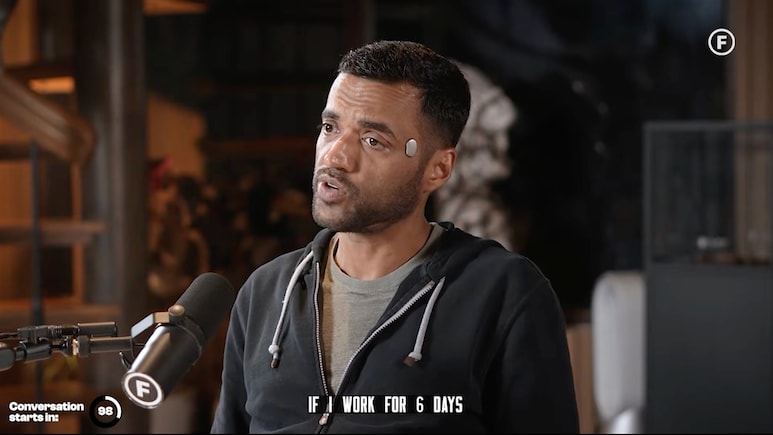
Public interest surged last year after photographs of Goyal wearing a small gold-coloured device near his right temple spread widely online. He subsequently clarified that the gadget was a prototype, developed to precisely track cerebral blood flow, and disclosed that he had been testing it on himself for more than a year.
Essential Business Intelligence, Continuous LIVE TV, Sharp Market Insights, Practical Personal Finance Advice and Latest Stories — On NDTV Profit.