- LG Chem has halted its No. 2 naphtha cracker at Yeosu due to feedstock supply disruptions
- The suspension is linked to difficulties securing naphtha amid US-Israel-Iran conflict impacts
- Global naphtha prices surged nearly 18% in Europe, driven by instability in shipping routes
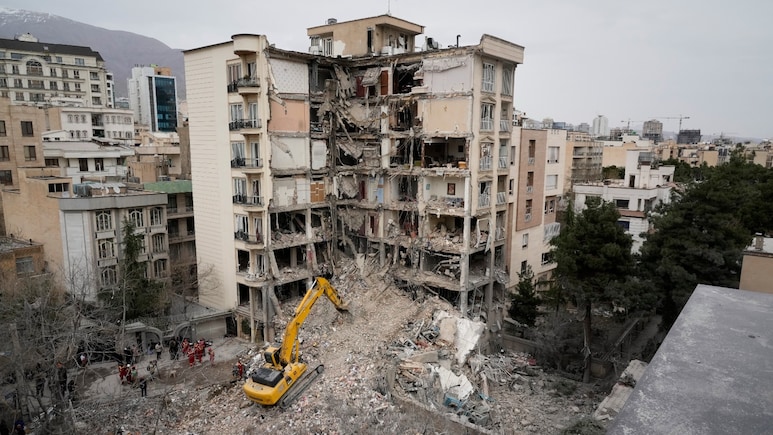
South Korea's LG Chem has temporarily halted operations at its No. 2 naphtha cracker in the Yeosu petrochemical complex due to disruptions in feedstock supplies amid the US-Israel war against Iran.
The development shows how geopolitical instability is increasingly affecting global energy and petrochemical supply chains, disrupting operations and creating uncertainty in the market.
In a regulatory filing on Monday, LG Chem said the suspension was necessitated by difficulties in securing naphtha, a key raw material used in its naphtha cracking centre (NCC).
The company stated that it will prioritise stabilising its supply chain and will swiftly resume operations once feedstock availability improves. However, their has been no timeframe given for restarting the plant, which is capable of producing 800,000 tonnes annually.
The disruption comes amid a sharp surge in global naphtha prices, driven by the ongoing conflict involving the United States, Israel, and Iran. The crisis has particularly affected shipping routes around the Strait of Hormuz, a critical narrow passage through which nearly one-fifth of the world's energy supplies pass.
Sharp decline in maritime traffic and heightened security risks have constrained the movement of petroleum products, including naphtha. Market data indicates that spot naphtha prices in Europe have surged by nearly 18% within a week, climbing to around $695-700 per tonne from pre-crisis levels of $585-590.
Premiums in the Middle East Gulf have also reached two-year highs, reflecting tightening supply conditions. The surge in prices has been further intensified by the upward movement in global crude oil benchmarks, particularly as Brent crude nears the $100-per-barrel mark, pushing overall costs higher across the market.
Naphtha is a crucial feedstock for producing ethylene, a building block for plastics, synthetic fibres, and various industrial chemicals used in packaging, construction, and automotive manufacturing.
Analysts caution that if disruptions persist, their impact could extend far beyond the immediate supply chain, affecting a wide range of downstream industries. The risk is especially significant in Asia, where many petrochemical producers rely heavily on steady supplies from the Middle East.
Any prolonged instability in this region could lead to shortages, higher production costs, and increased uncertainty for manufacturers dependent on these critical raw materials.
ALSO READ: US-Israel-Iran War Live News Updates: Trump Says US To Take Iran's Uranium If Deal Sealed
Essential Business Intelligence, Sharp Market Insights, Practical Personal Finance Advice, Daily Fuel, Gold and Silver Prices and Latest Stories — On NDTV Profit.