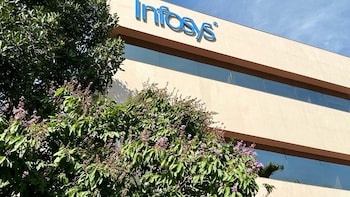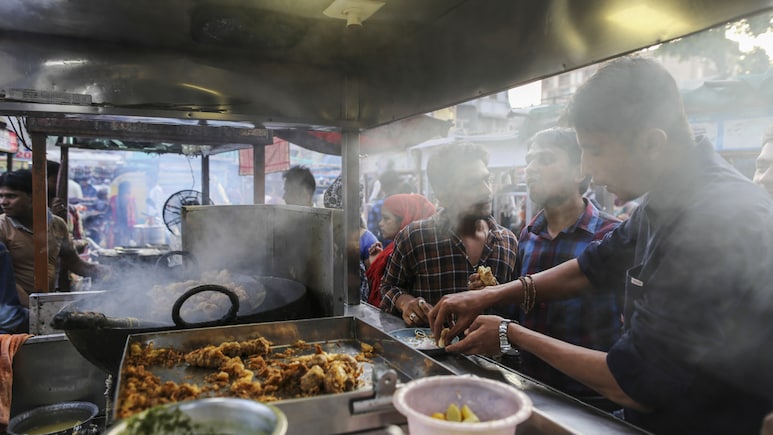
For millions of Indians, a quick plate of street food or an affordable restaurant meal isn't just convenience-it's routine. But that daily indulgence is quietly getting more expensive. A recent Local Circles survey shows that over half of consumers have seen food prices rise in just the past week, signalling a sharp, immediate inflation shock at the grassroots level.
The trigger? A shortage of commercial LPG cylinders that power kitchens across India's vast informal food economy.
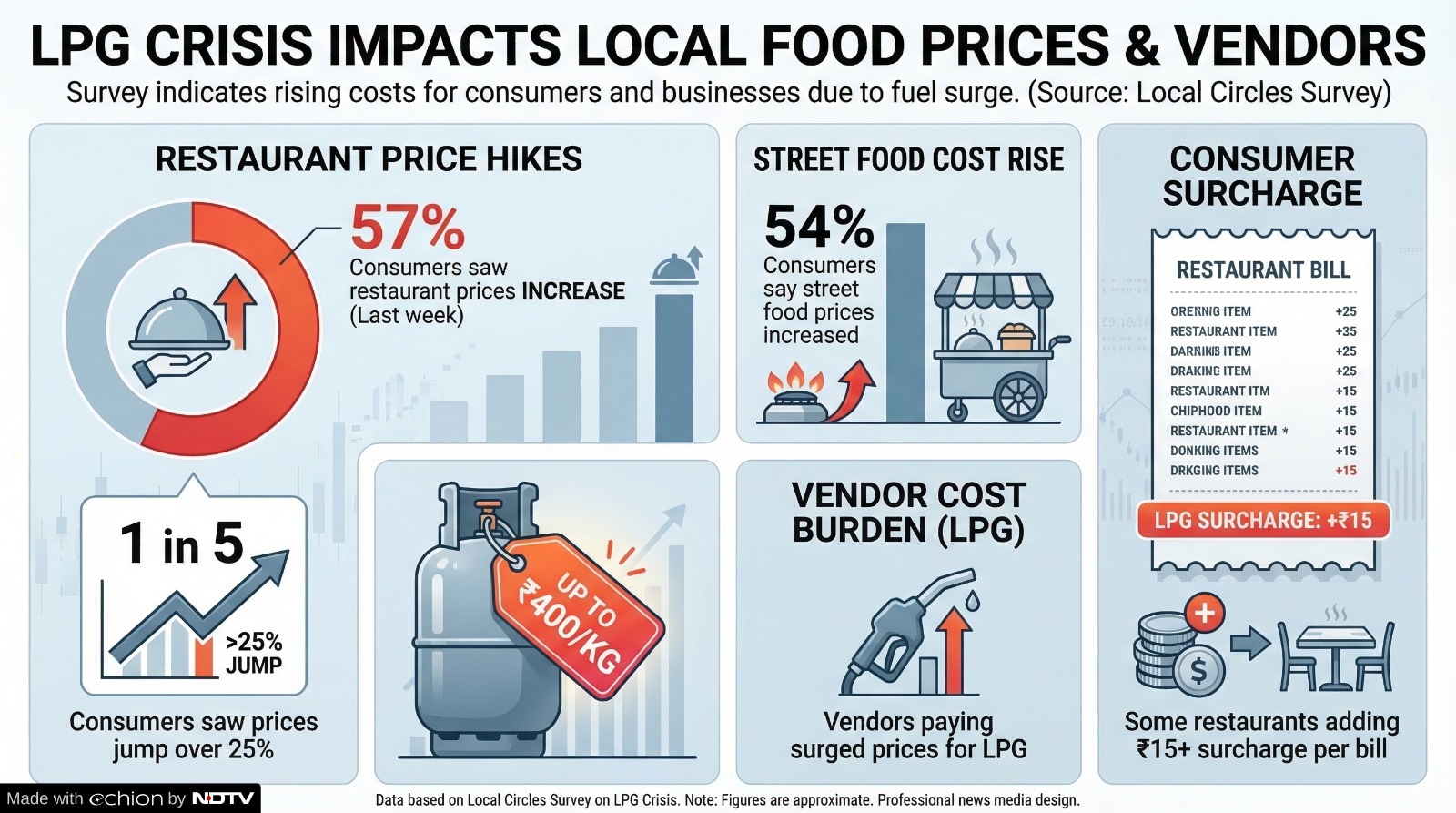
According to the survey, which covered over 38,000 consumers across 309 districts, 57% reported noticeable price hikes at restaurants, with some seeing increases of over 25%. Street food hasn't been spared either-54% of respondents said vendors raised prices by up to 25%.
Also Read | Layoffs Are Rising In Tech, But These Skills Are Helping People Unlock Better Pay
What's striking is how quickly these increases have kicked in. In many cases, restaurants are adding explicit "LPG surcharge" line items, sometimes Rs 15 or more per bill, while smaller vendors are simply raising prices to stay afloat. At the heart of this surge is the skyrocketing cost of cooking fuel. Vendors report paying as much as Rs 400 per kg for LPG in some cases, often sourcing it through irregular channels due to supply shortages.
ALSO READ: LPG Crisis May Hit Food Delivery: Who Will Be Impacted More - Swiggy Or Zomato?
The Squeeze on Both Sides
The crisis is creating a double squeeze-on businesses and consumers alike. Small vendors, who rely on frequent LPG refills, are cutting hours, shrinking menus, or temporarily shutting shop in cities like Bhopal and Ranchi. Restaurants in metros such as Bengaluru and Pune are reportedly reducing operations and dropping fuel-intensive dishes.
For consumers-especially daily wage workers, students, and officegoers-this means fewer affordable food options. What was once a Rs 30 snack is edging toward Rs 50 or more, chipping away at already tight budgets.
The LPG crunch is linked to global energy disruptions and geopolitical tensions in the Middle East and Strait of Hormuz, which have tightened supply chains.
Many vendors are experimenting with alternatives like charcoal, firewood, or induction stoves-but these are either costlier, less efficient, or impractical at scale. This isn't just about rising food prices-it's about access. When affordable food becomes expensive, it hits the most vulnerable the hardest.
ALSO READ: LPG Crisis Sparks Ethanol Cooking Push, But Policy Holds Key: Praj Industries
Essential Business Intelligence, Sharp Market Insights, Practical Personal Finance Advice, Daily Fuel, Gold and Silver Prices and Latest Stories — On NDTV Profit.