Real Estate Sector’s Transition After GST And RERA To Last A While, Say Property Consultants
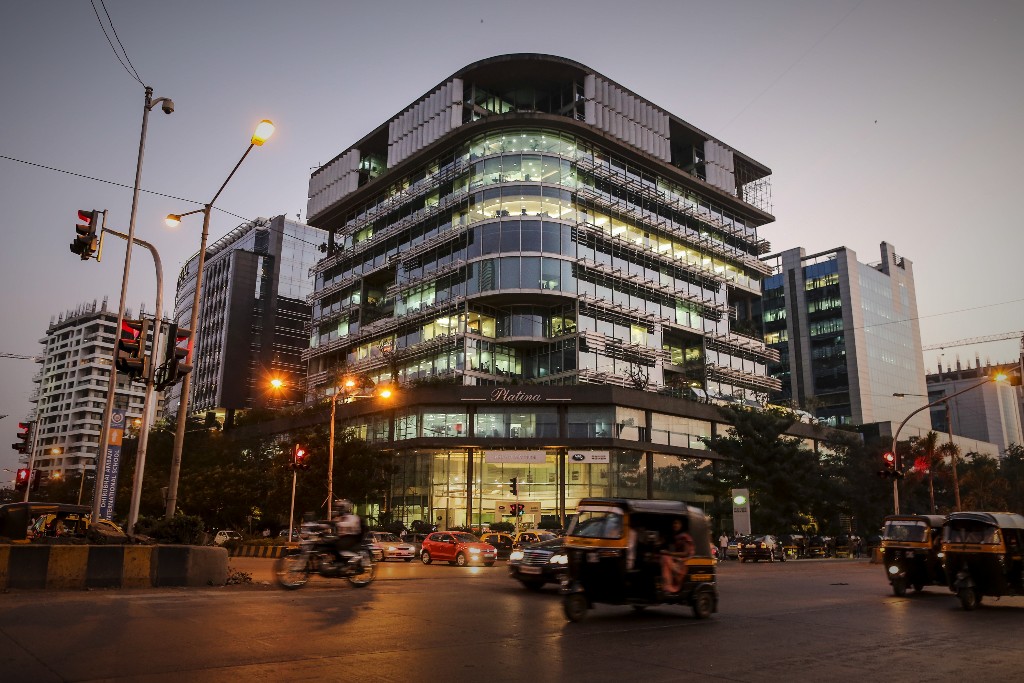
The transition of the real estate sector to the new business environment after the implementation of Real Estate (Regulation and Development) Act and the Goods and Services Tax is expected to last a bit longer as the industry is anticipating ‘pains', say property consultants. For buyers, it's the right time go for a property, they said.
The prospects for the business are brighter as GST and RERA will bring in a lot of systemic checks and streamline process. In the first half of 2017, the Indian realty sector saw the highest-ever investment inflow.
Sales in the mid-ticket to low-ticket housing segment are pretty strong, Shobhit Agarwal, managing director-capital markets at JLL India, told BloombergQuint. This is in contradiction with the situation two-three years ago when high-ticket sizes clocked growth.
Wary Of RERA?
RERA implementation has brought home a number of challenges for the developers as it prohibits pre-launch sales and discourages sellers to sign agreements with buyers before getting their projects listed under RERA.
Gulam Zia, executive director-advisory, retail and hospitality at Knight Frank, offered a different view. He said it is not as serious an impediment for realty players as people made it out to be.
RERA compliance has been rather smooth in Maharashtra, with Mumbai noting maximum registrations after its implementation.
Mumbai market had earned a bad name, with lot of notoriety involved, but with RERA coming up, things look better.Gulam Zia, Executive Director-Advisory, Retail and Hospitality at Knight Frank
JLL India's Agarwal said that overbuilt inventory might act as a hindrance, considering the market is getting “really selective”, but RERA implications won't be as severe.
Also Read: RERA's Impact On Home Loans
Value Versus Numbers
On the notion that home loan offtake in value terms have receded with affordability being preferred over luxury, Agarwal said the number of loans remain afloat. “The strength of the market should be assessed by the number of transactions instead.”
Affordability has become increasingly important, aided by GST-led increased tax burden being passed on to consumers, impacting the profitability of real estate sector.
In the current space, Zia said, cost parameters have been haywire and it still needs to be seen whether consumers are willing to take the tax burden. The Mumbai market may not shy away from bearing the added cost, but Delhi market will have to face the brunt, he said.
Future Outlook
Agarwal said he sees the real estate sector clocking single-digit growth over the next one year.
The present lull is likely to last up to three years, Zia said. “Perhaps then the markets would bounce back and the mounted stock would be done away with, prompting demand and prices to rise.”
Agarwal, however, said that there will be new launches from this month end, and it is the perfect time for actual buyers to find the right house, negotiate well and make the purchase.

-
Signature Play: The Classic Cocktail Is Dead. Or Is It?

Classic cocktails are disappearing from India's cocktail menus. But they're still being ordered, taught to bartenders and borrowed from. So, who's really having the last drink?
-
A New Samvat Wishlist: Inclusive Prosperity And Human Development
India has strengthened its economic foundations through infrastructure, digital access and enterprise. Its next growth chapter must deepen productivity, create better livelihoods and widen participation in prosperity.
-
Love, Sex Aur Dhokha: The Audacious Plot To Spy On Jensen Huang
A Taipei dinner, a Singapore chip buyer and a suspected Chinese asset: inside the alleged spy operation that got close to NVIDIA's Jensen Huang.
-
Ten Things I Learnt This Samvat
Patience can be a trap. Cheap stocks can stay cheap. Leverage can wipe you out. What did Samvat 2082 teach us? Niraj Shah writes on 10 lessons from the year gone by.
-
Talking Points This Week: Tech Nerves, FII Buying, And A Faraway Banking Shock
The global markets are not shining this Diwali. The exception in the large markets is, India.
-
Midterm Rally Lasted A Day. The Hard Reality Of A Divided US May Last Two Years | Opinion
Between a contested AI boom, a debt ceiling that arrives in 2027 and a president with every incentive to act alone, the next two years may prove more volatile than the first day's rally suggests.
-
Blue Wave Will Derail the AI Trade but Won't Dismantle the AI Era | Unhedged Position
The Democrats' sweep of the US Congress will see politics collide with economic forces both over the long and short term.
-
It's Time To Take The GST Council's Bet On Trust Global
Payment records can prove India's services exports, and clear, proportionate rules can bring foreign digital sellers into the tax net.
-
Opinion | India at 38: From Innovation Overperformer to Innovation Powerhouse
India now has 453 VC-backed deep science startups, 18 of them late-stage, after 117 percent growth since 2020. Laurus Labs, at USD 9.3 billion, is the most valuable deep science company in any middle-income economy outside China.









