The Reserve Bank of India asked all scheduled banks to maintain an incremental cash reserve ratio or ICRR of 10% with effect Aug. 12. in a surprise move.
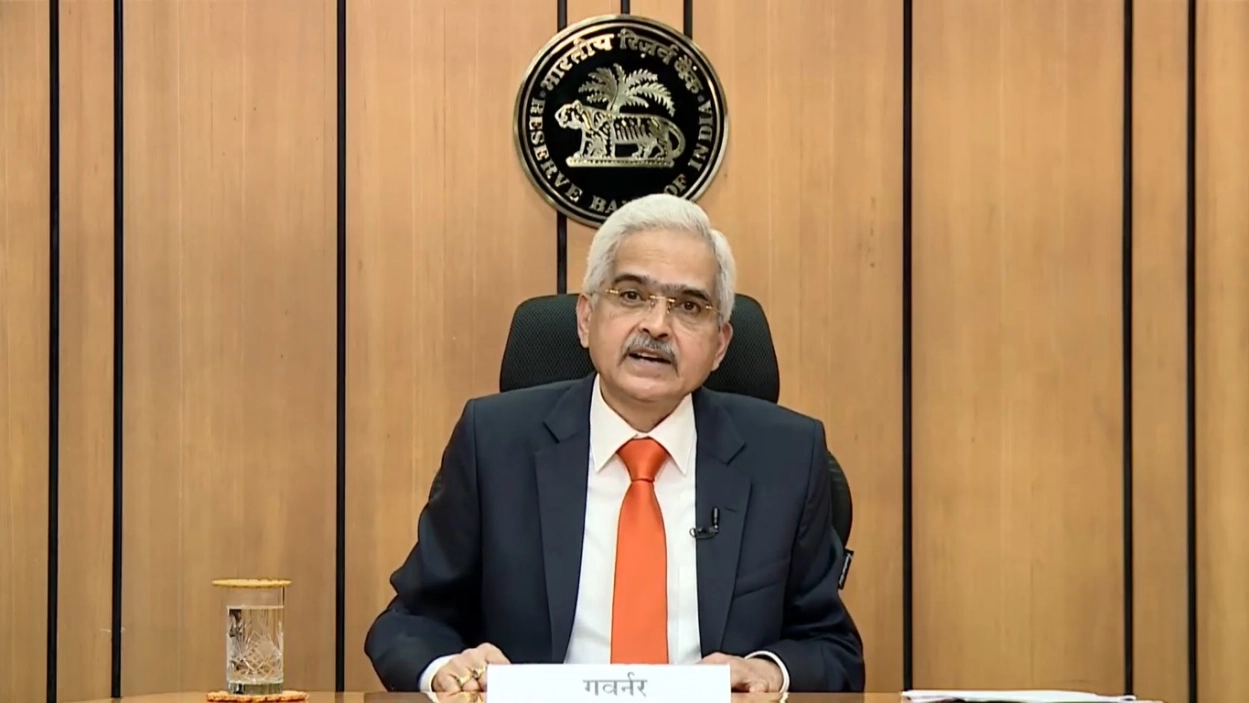
"Starting August 12, all scheduled banks shall maintain an incremental CRR of 10% on the increase in their net demand and time liabilities (NDTL) i.e., between May 19 and July 28," RBI Governor Shaktikanta Das said in his monetary policy statement.
The temporary measure announced by the central bank is intended to absorb surplus liquidity in the system due to various factors, including the deposit of Rs 2,000 currency notes.
Also Read | Layoffs Are Rising In Tech, But These Skills Are Helping People Unlock Better Pay

-
 Indian Markets Turning Corner After Two Tough Years, Says Sandeep Tandon
-
 NDTV Profit Ignite 2026: Experts See Opportunity In Equities, Stay Bullish For Long-Term
-
 Buy Right, Sit Tight Does Not Work for Individual Stocks, Says Dinshaw Irani
-
 'Worst Is Behind': Quant MF Sees Market Bottom, Flags 'Extreme Euphoria' In Midcaps
-
 India's Mutual Fund Industry Could Become A $1 Trillion Opportunity, Say Fund Managers
-
 'Foreign Investors Are Baraatis': Raamdeo Agrawal's Take On LTCG Tax
-
 Stay Invested Through Market Cycles: Raamdeo Agrawal at NDTV Profit Ignite
-
 Ramesh Damani Remains Bullish On India For Next 20-30 Years, Sees Bargains Amid Market Weakness
-
 CAS Came After A Long Consultation Process: SEBI Chairman Tuhin Kanta Pandey AT NDTV PROFIT IGNITE
-
 Aim To Cut FPI Onboarding Time From Mth To Five Days: SEBI Chairman Tuhin Kanta Pandey AT NDTV PROFI
Even after the temporary ICRR, there will be adequate liquidity in the system to meet the credit needs of the economy, Das said.
Since the ICRR is only a temporary measure, the RBI would review it on or before Sept. 8. The existing CRR remains unchanged at 4.5%, Das said.
According to market participants, the announcement of ICRR was a surprise move as it had not been imposed since demonetisation in November 2016.
"Hiking the CRR would have had monetary policy connotations, so the temporary increase is aimed to be a non-disruptive way of dealing with the issue of excess liquidity in the system in the backdrop of the recent demonetisation of the Rs 2,000 notes," said Aurodeep Nandi, India economist and vice president, Nomura.
According to Rupa Rege Nitsure, group chief economist at L&T Finance, the imposition of an incremental CRR of 10% on incremental liquidity generated out of the withdrawal of Rs 2000 notes reflects the RBI's "deft management".
Incremental CRR was last announced on Nov. 26, 2016 by the Reserve Bank of India, soon after Rs 500 and Rs 1,000 notes were demonetised. Back then, the RBI asked banks to maintain an ICRR of 100% of the increase in their NDTL between Sept. 16 and Nov. 11, 2016.
The central bank withdrew ICRR as the ceiling for issuing securities under the Market Stabilisation Scheme was enhanced to Rs 6,000 billion, according to a statement on Dec. 7, 2016.
On Thursday, the RBI maintained its status quo for the third straight meeting, keeping the repo rate unchanged at 6.50%.
Essential Business Intelligence, Sharp Market Insights, Practical Personal Finance Advice, Daily Fuel, Gold and Silver Prices and Latest Stories — On NDTV Profit.