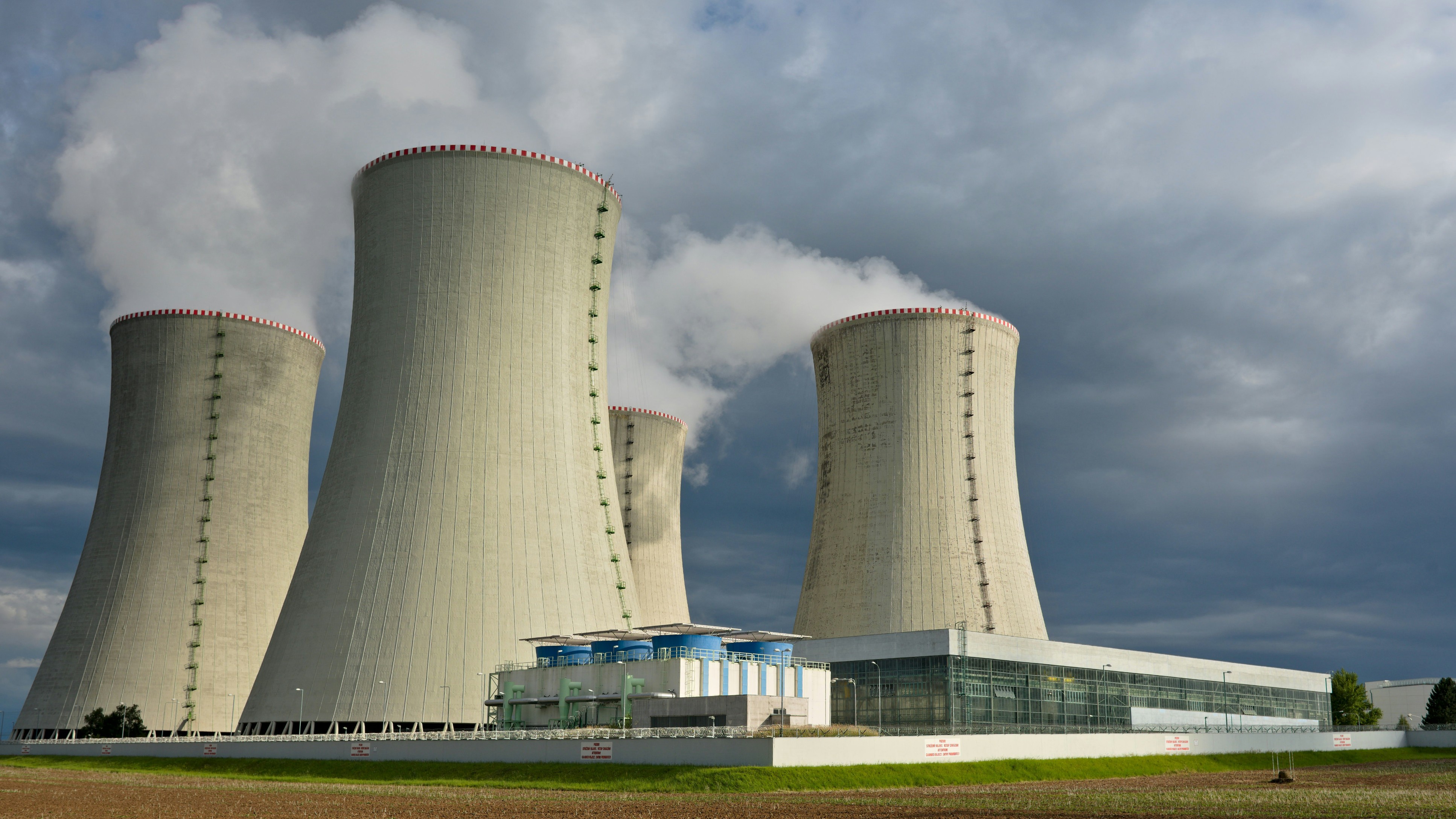
The recently passed 'Shanti Bill' is a push for India's nuclear energy ambitions, but its immediate impact on private sector order flows may be limited, according to Chirag Doshi, MD & CEO of Walchandnagar Industries.
The Walchandnagar Industries chief added that the Shanti Bill sets the stage for India's nuclear expansion but private sector participation will take time. “The legislation having brought to is great for everyone… but from an order booking perspective, I don't expect the private sector to start issuing purchase orders till March 2027,” Doshi said.
Notably, the bill allows private companies and joint ventures to apply for licences to build, own and operate nuclear power plants, marking a significant shift from India's long-standing state-dominated nuclear power framework.
Rs 2 Lakh Crore Boost: New Bill To Revamp India's Nuclear Power Sector By Tapping Private PlayersDoshi further added that state-run entities like NPCIL and NTPC are expected to issue new orders for fleet-mode reactors over the next 12–18 months, which will help Walchandnagar's order book grow steadily. “People have already been talking about supply chain with us. Now that the bill is passed, there will be a fair amount of conversation with the government about how this kind of investment can be funded attractively,” Doshi said.
The Nuclear Energy Mission has a strong emphasis on small modular reactors. The government has allocated Rs 20,000 crore for SMR research and development and aims to have five indigenous SMRs operational by 2033. However, it has been made clear that core strategic levers will remain with the Union government, particularly the Department of Atomic Energy.
Highlighting the scale of opportunity, Doshi noted India's target of 100 gigawatts of nuclear capacity in 22 years, translating to 4–5 GW annually and an investment of nearly $10 billion a year. “As far as Walchandnagar is concerned, we do about 10% of nuclear power plant work, so for us it is that level of scale that becomes an opportunity,” he said.
The company plans to ramp up capacity over the next 12 months to meet higher execution requirements once private players enter the sector post-2027. “We need to be ready with our new capacity to cater to the much higher execution requirement that will be needed when multiple players get into nuclear power generation,” Doshi added.
India–Oman CEPA Explained: What The Trade Deal Means For Energy, ExportsEssential Business Intelligence, Continuous LIVE TV, Sharp Market Insights, Practical Personal Finance Advice and Latest Stories — On NDTV Profit.