The recent overhaul of the U.S. H-1B visa selection process has sparked concerns among Indian IT firms, with industry experts warning of a clear bias toward American tech giants. Under the new rule, effective February 27, 2026 for FY27, the Department of Homeland Security (DHS) will prioritise higher-paid, higher-skilled foreign workers in the H-1B lottery system, replacing the earlier random selection process.
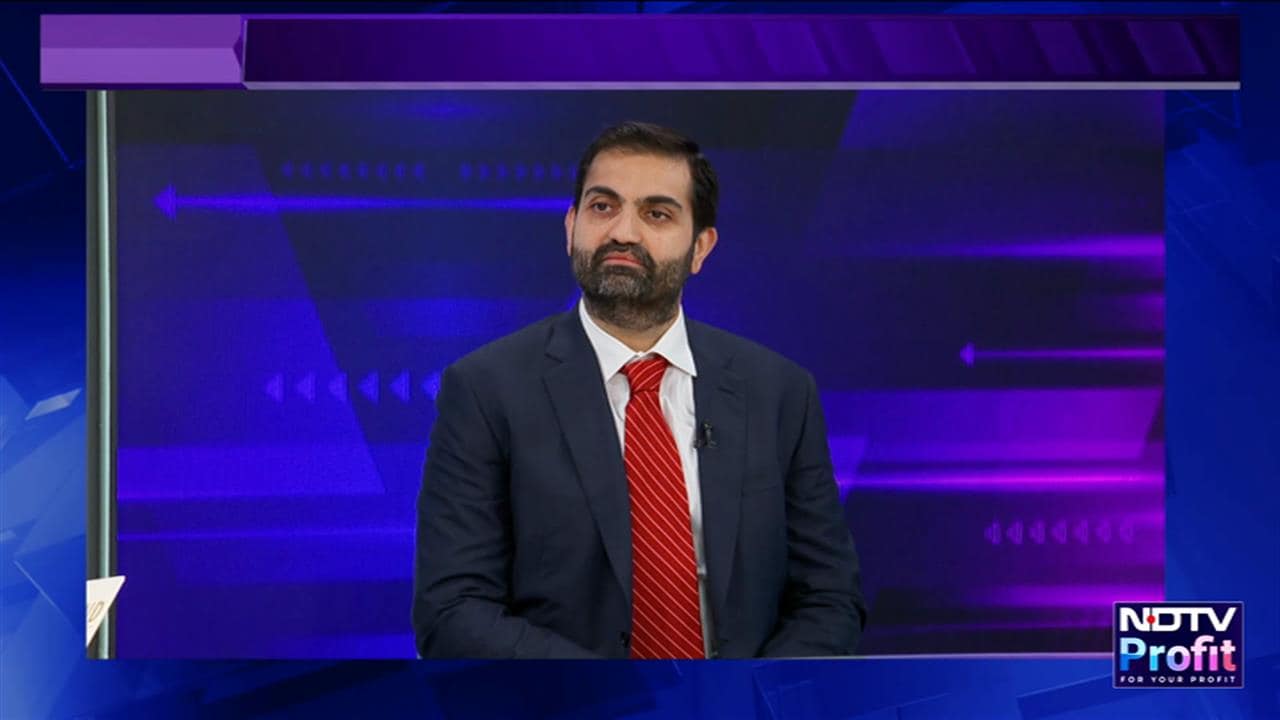
Sandip Agarwal, Fund Manager at Sowilo Investment Managers LLP, believes the changes will make it increasingly difficult for Indian IT companies to send talent onsite. “Have to fight these challenges which are coming through. The intentions are quite clear that they want to make HIB tougher and tougher,” Agarwal said in an exclusive conversation.
While acknowledging the hurdles, Agarwal pointed out a silver lining for firms willing to adapt. “The positive side, the way in which he can be flipped for people who believe in this sector and who think that there will be lot of growth going forward is that, by this means they can do more offshore, you can execute more from India,” he explained.
However, Agarwal was critical of the lottery system's new salary-based preference, arguing that it disproportionately benefits US tech majors. “By bringing in the lottery system based on the higher salaries, it is clearly favouring big techs, so no way Indian IT companies will get any chance to send people only after everyone has sent and there is no one to go then only probably they will get a chance,” he said. “I think it is a clear favour being done to big seven American tech companies and it is very detrimental to Indian IT companies”
Impact on Indian IT
Near-term impact limited; Indian IT already hiring selectively
Large firms less dependent on entry-level H-1B workers
Higher visa fees unlikely to hurt margins materially
Indian IT has fewer H-1B employees versus global peers
Focus remains offshore delivery, automation, and AI-led productivity
The DHS says the move aims to protect American workers and prevent exploitation of the random lottery system by low-wage hiring. The annual H-1B cap remains unchanged at 65,000 visas plus 20,000 for advanced degree holders, but the introduction of a $100,000 entry fee and skill-weighted selection is expected to raise costs and complexity for employers.
Essential Business Intelligence, Continuous LIVE TV, Sharp Market Insights, Practical Personal Finance Advice and Latest Stories — On NDTV Profit.