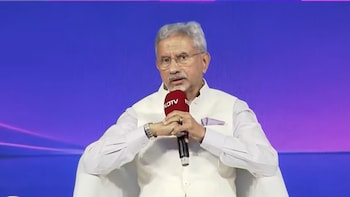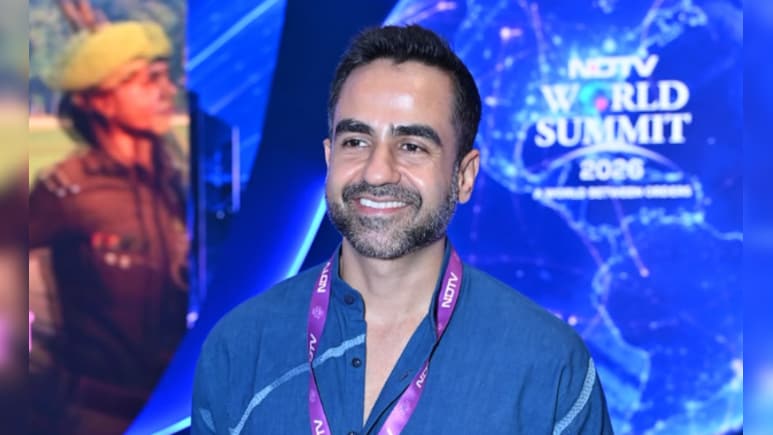
At the NDTV World Summit, Zerodha co-founder Nikhil Kamath addressed a cultural shift defining today's youth: the relentless pursuit of instant gratification. In a world where immediate rewards are increasingly normalised, Kamath offered a radically different approach to wealth and life, a rule that has gotten tattoed on his hand.
The Psychological Battle
In the interview, Kamath spoke about the two rules he lives by, both of which he has gotten tattooed on his arm.
The first one is on the need to delay gratification. (The other being “do unto others what you want others to do unto you”.)
Also Read | Layoffs Are Rising In Tech, But These Skills Are Helping People Unlock Better Pay
Kamath acknowledged that the desire for immediate reward isn't a generational flaw; it is a biological default. Human psychology naturally optimises for short-term pleasure over mid-term or long-term gains.
Because this instinct is innately human and unlikely to change, Kamath argued that it must be consciously and continuously fought.
The concept became central to Kamath's life through his experiences in the stock market. He realised he had a detrimental habit of selling his winning stocks too early, cashing in for a quick emotional high rather than allowing them to compound.
Recognising that this short-term mindset was a vulnerability, he decided to extrapolate the lesson of delayed gratification beyond investing and apply it to every micro-decision in his life.
Because resisting human nature is incredibly difficult, Kamath uses his tattoo as a continuous, unavoidable check against his own daily impulses. Deliberately placed facing inward toward himself, the phrase serves as his personal anchor for delayed gratification.
By reminding himself to be fully present, he grounds himself against the urge to chase fleeting, short-term thrills, allowing him to stay focused on long-term compounding.
Mastering the Micro-Decisions
For Kamath, delaying gratification is no longer just about financial restraint or building companies; it dictates his daily habits. It means choosing to go to bed instead of pouring another drink, or picking up a book instead of binge-watching Netflix.
Ultimately, he relies on this principle to simplify his life, strip away the complexities of traditional dogma, and make conscious choices that prioritise long-term fulfillment over momentary comfort.
Essential Business Intelligence, Sharp Market Insights, Practical Personal Finance Advice, Daily Fuel, Gold and Silver Prices and Latest Stories — On NDTV Profit.